A Brief History of Sedona and Its Red Rock Legacy

November 6, 2026

The first thing you notice in Sedona is often the color. Towering red cliffs catch the morning light, and the landscape seems to shift with every turn of the road. Yet those striking formations tell a story far older than the town that shares their name.

Over centuries, people have lived beside Oak Creek and found meaning in the surrounding hills. Farming families and filmmakers later left their marks on the area, but the red rocks have remained a constant presence. Tracing Sedona’s history reveals why this corner of Arizona still feels unlike anywhere else. Keep reading to discover a brief history of Sedona and its red rock legacy.

The Rocks Came First

Many rock layers formed hundreds of millions of years ago as sand and other sediments accumulated across shifting environments. Over time, pressure turned these deposits into stone, and iron oxides gave much of the sandstone its characteristic rusty red color. The Schnebly Hill Formation contributes some of the area’s most recognizable red sandstone layers.

Later uplift exposed the layers to rain and flowing water. Erosion carved dramatic buttes and canyon walls that continue to change with every passing storm. Cathedral Rock and Bell Rock didn’t arrive as finished monuments. Water and weather shaped them gradually.

Think about the scale of that timeline next time you watch sunlight move across the cliffs. The view looks timeless, but the land continues to evolve.

The First Communities

People lived in the Verde Valley long before modern Sedona existed. Archaeologists describe a cultural tradition known as the Southern Sinagua, whose communities farmed and traded throughout the region. From the 1100s through the 1300s, residents built cliff dwellings in sheltered rock alcoves.

At Palatki and Honanki, surviving rooms and rock art reveal traces of daily life. Some images date to different periods, reminding visitors that the area holds many layers of human history. The Hopi and other Pueblo peoples maintain ancestral connections to these ancient communities.

A Living Indigenous Heritage

Sedona’s Indigenous history doesn’t stop at ancient ruins. Wipukupaya Yavapai people have longstanding ties to the red-rock area, and Apache communities also lived throughout the Verde Valley. Those connections continue through living communities today.

In the nineteenth century, U.S. military campaigns and forced removals devastated local Yavapai and Apache populations. In 1875, authorities marched many people from the Verde Valley to the San Carlos Reservation, far from their homes. Remembering this history helps visitors understand the landscape as a homeland, not simply a beautiful destination.

Homesteads Along Oak Creek

Water attracted new settlers to Oak Creek in the late 1800s. J. J. Thompson settled in Oak Creek Canyon, and more Euro-American families followed in the decades that followed. They built houses along the creek and dug irrigation channels to nourish their fields.

Orchards gradually became an important part of local life. Farmers shipped fruit to nearby mining communities, creating a modest economy in a place that still lacked modern roads. At what is now Slide Rock State Park, the historic Pendley Homestead preserves a reminder of those agricultural years.


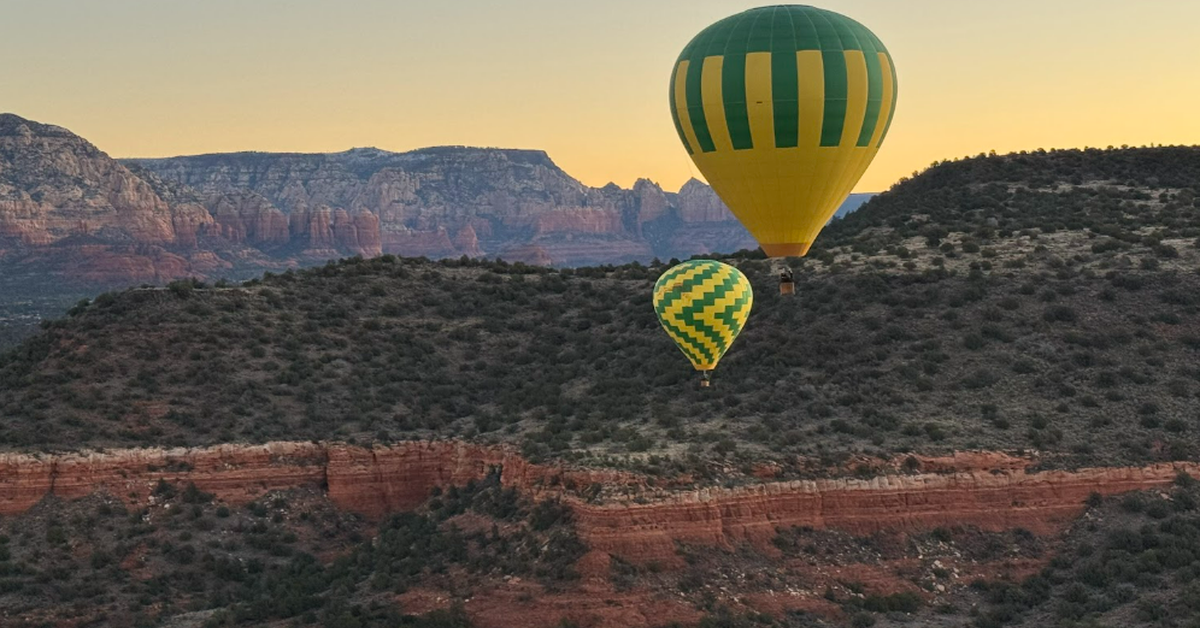
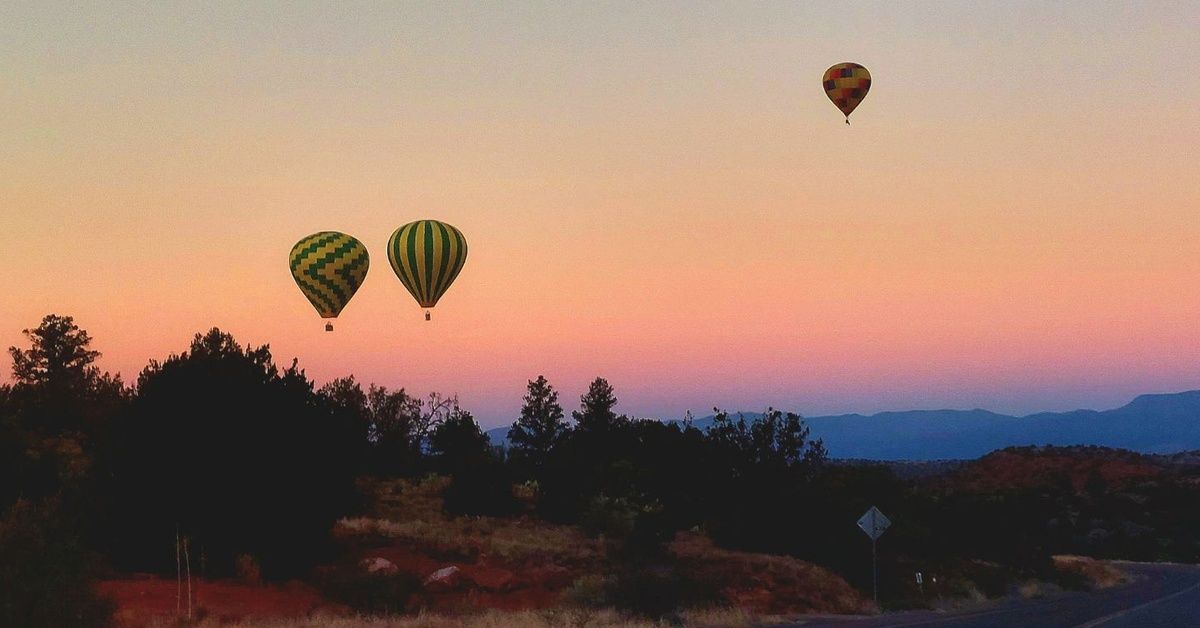
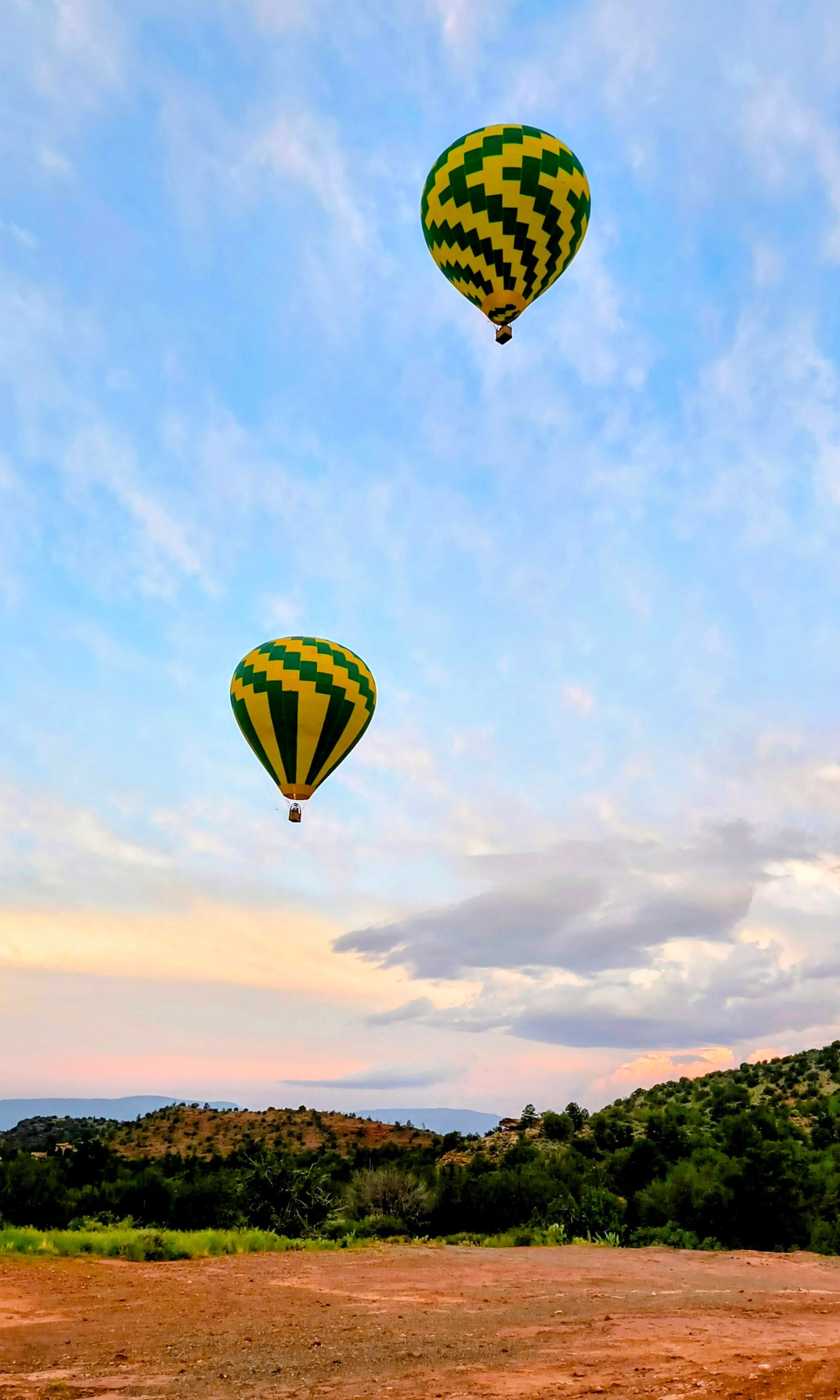
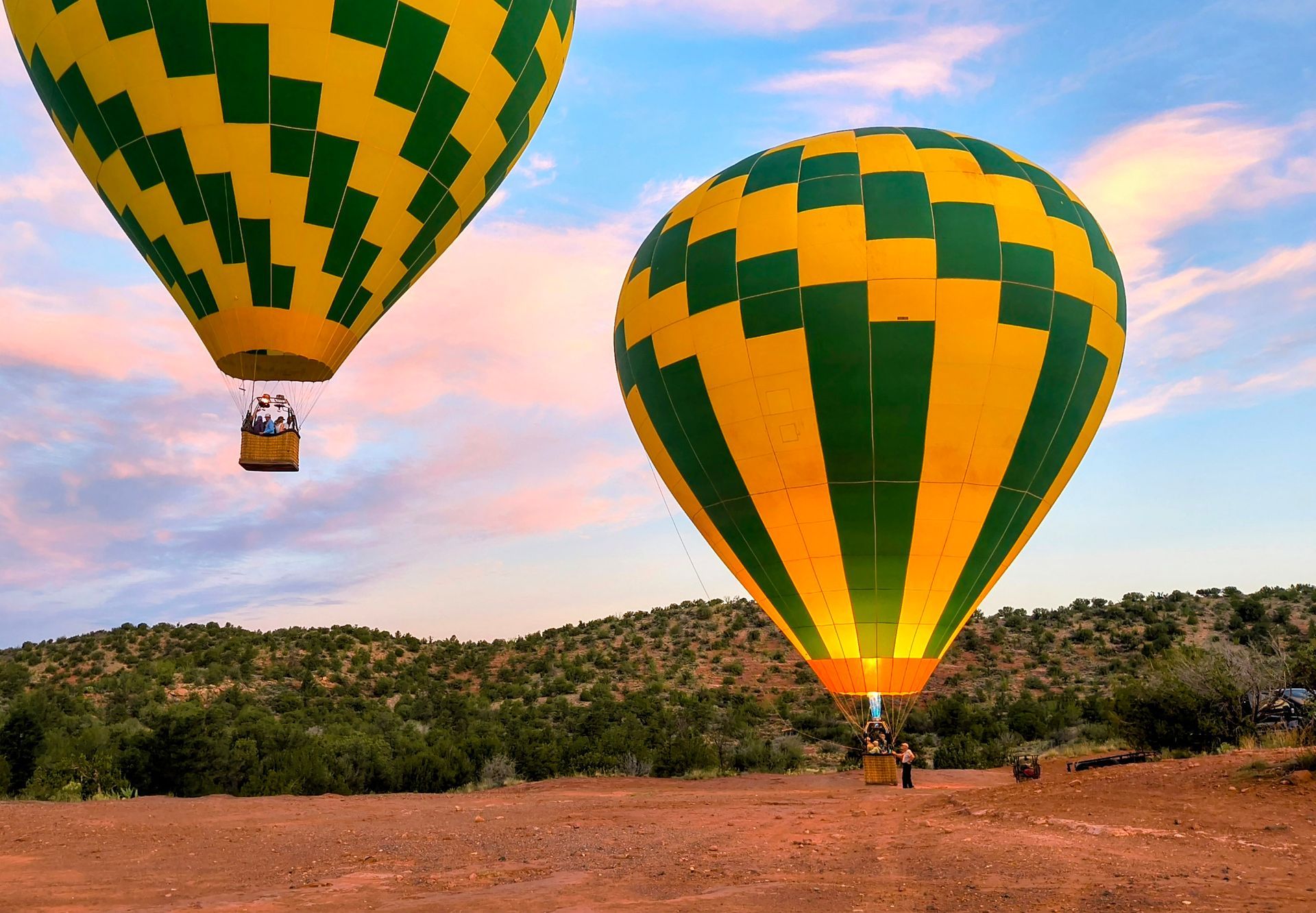
Three yellow and green hot air balloons are outside and close together. The blue sky is behind them.

The Name Sedona

By the beginning of the twentieth century, only a small cluster of families lived in the settlement. Theodore Carlton Schnebly and his wife, Sedona Miller Schnebly, joined the community after family members encouraged them to move west.

As the community grew, Theodore pursued a local post office. Officials rejected his longer proposed names, so he submitted his wife’s first name. The government approved Sedona at the end of June in 1902, giving the developing settlement a name with a distinctly personal story.

Sedona Schnebly helped welcome guests and served meals, contributing to the community’s earliest hospitality traditions. Her name remained even as the town eventually outgrew its rural beginnings.

Hollywood Finds the Red Rocks

Sedona’s landscape eventually caught the attention of filmmakers looking for dramatic Western settings. The silent film The Call of the Canyon brought cameras here in 1923, well before tourism became the area’s primary industry. Over the following decades, movie crews returned to the striking sandstone backdrops.

By the 1940s and 1950s, Sedona had become familiar territory for Western productions. Cast members rode across dusty terrain as the cliffs provided a backdrop no studio could easily recreate. Film exposure helped audiences across the country recognize the area, encouraging more travelers to see the scenery for themselves.

Today the Sedona Heritage Museum remembers those screen years alongside the lives of early residents.

Artists Follow the Light

Filmmakers weren’t the only people drawn to the red rocks. Artists found endless inspiration in the changing colors and unusual shapes, and their presence gradually helped Sedona develop a creative identity. Galleries became part of the town’s appeal as tourism grew.

The Chapel of the Holy Cross offers one of the clearest expressions of that relationship between design and landscape. Sculptor Marguerite Brunswig Staude championed the project, which reached completion in 1956. Its architecture rises from the surrounding rock, giving visitors a distinctive place to appreciate Sedona’s setting.

From Quiet Town to Destination

Growth changed Sedona’s daily rhythm through the second half of the twentieth century. Better transportation connected the town to more travelers, while outdoor recreation created new reasons to stay. Sedona formally incorporated as a city in 1988 after decades of change.

With popularity came a new responsibility to care for the landscape. Much of the country around Sedona belongs to Coconino National Forest, where public lands protect important habitat and cultural sites. Respectful visitors help by staying on established trails and leaving ancient rock art untouched.

A View From Above

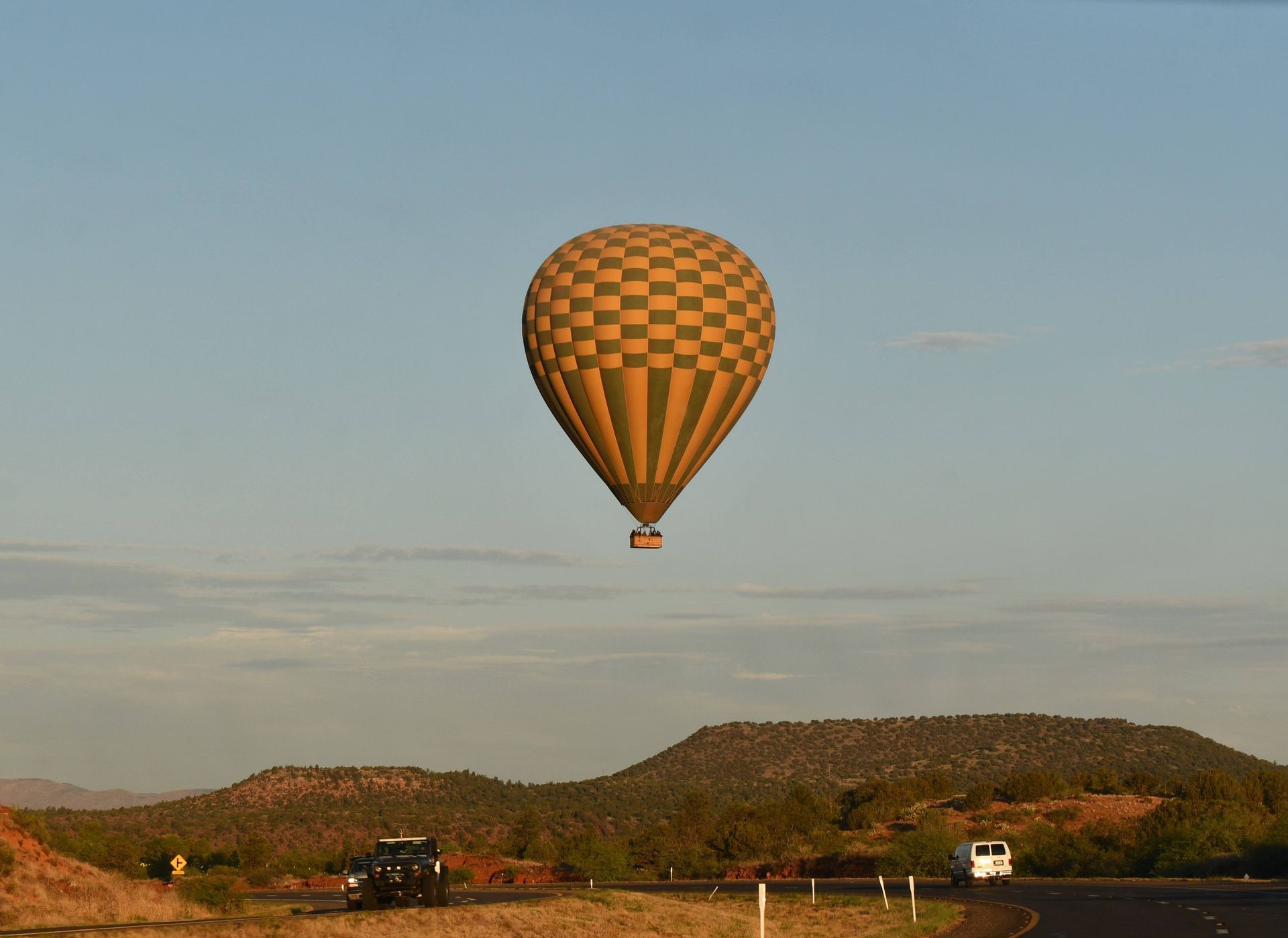
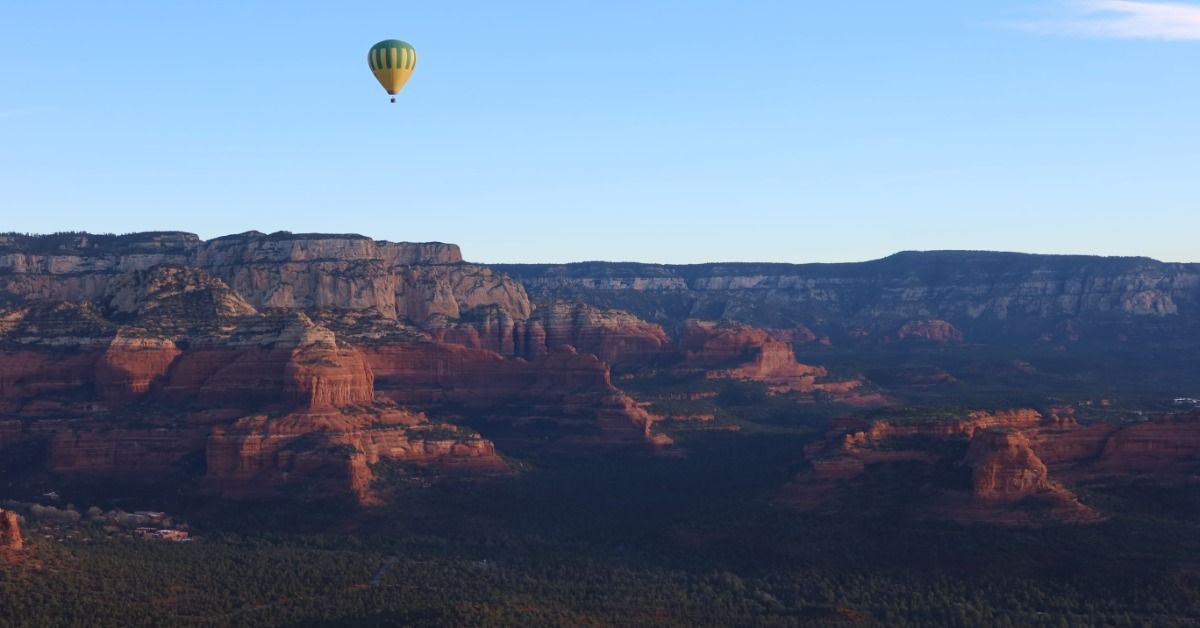
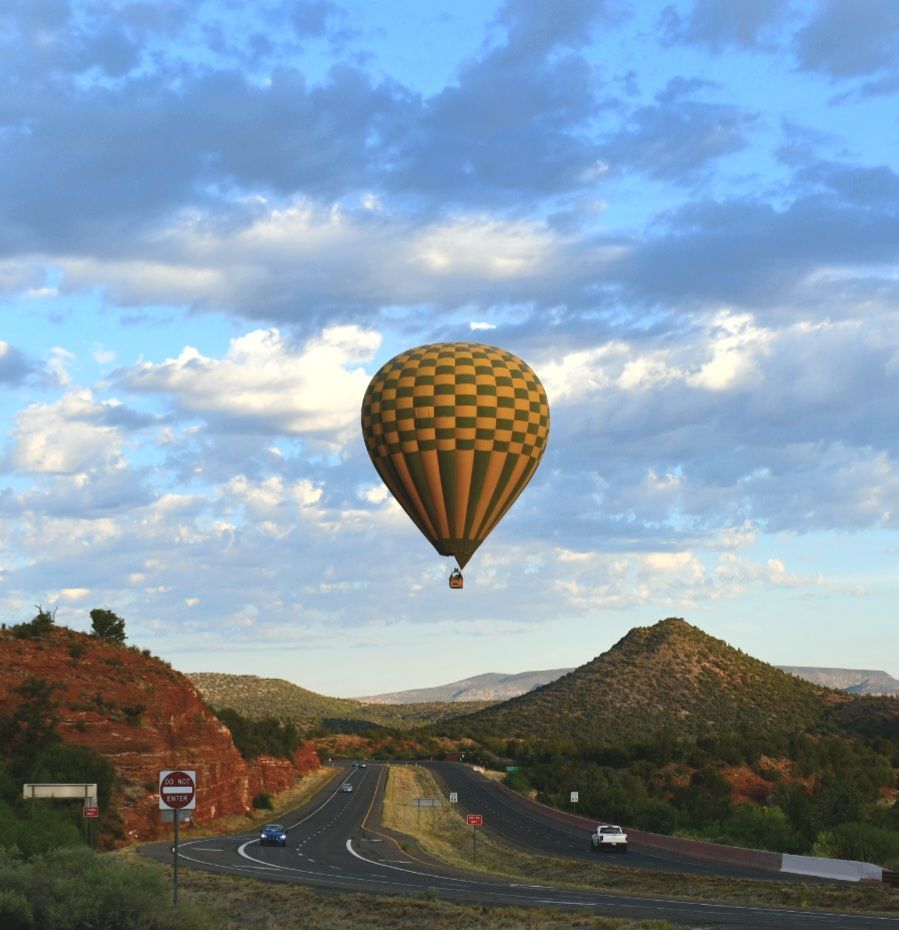
The red-rock legacy isn’t limited to what you can see from a trail. Hot air ballooning in Arizona lets travelers see Sedona’s familiar landmarks from an entirely different angle. From the air, you can follow the broad curves of the land and notice how green patches gather around waterways.

Northern Light Balloon Expeditions brought its family-owned ballooning business to Sedona in 1974. The company continues to offer sunrise flights, when early light adds depth to the cliffs below. Since winds determine a balloon’s route, each journey reveals a different combination of landforms and views.

Explore the Story Today

The easiest way to appreciate Sedona’s history is to notice how it surrounds you. Exhibits at the Sedona Heritage Museum illuminate the farming era, while local cultural organizations keep deeper Indigenous histories in view. A walk beside Oak Creek can reveal how the landscape shaped daily life for generations.

Pay attention to small details along the way. Historic sites and surviving orchard landscapes invite you to look past Sedona’s famous viewpoints.

Let the Legacy Come Alive

Sedona didn't become memorable overnight. A brief history of Sedona and its red rock legacy reveals how wind and water shaped its dramatic cliffs while generations of residents built a community surrounded by natural beauty. Every visit offers a chance to discover something new about the landscape and the people who shaped its story.

If you’d like to experience the red rocks at their most colorful, begin your day above them. Book a sunrise flight with Northern Light Balloon Expeditions and discover why Sedona’s landscape has inspired visitors for generations. The view may last only a morning, but the history beneath it reaches far beyond your trip.

Share this article

Recent Posts

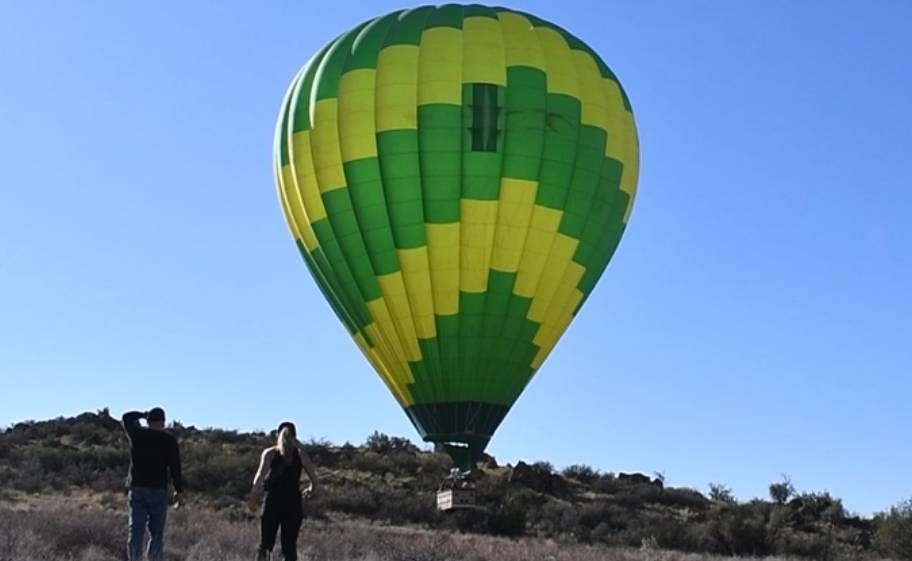
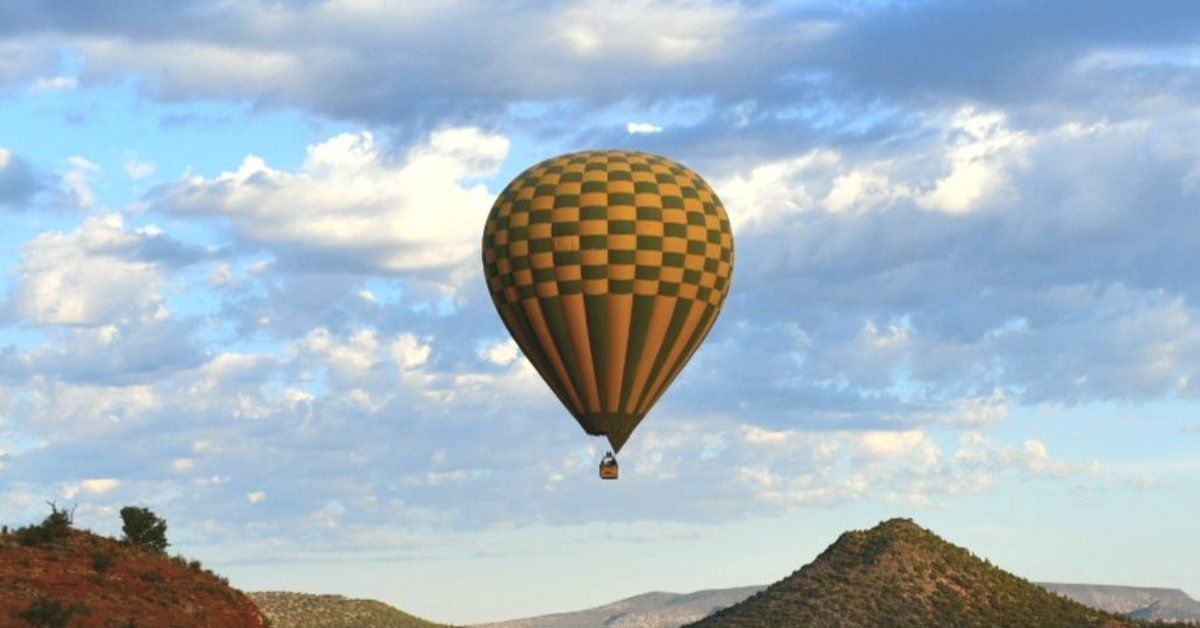
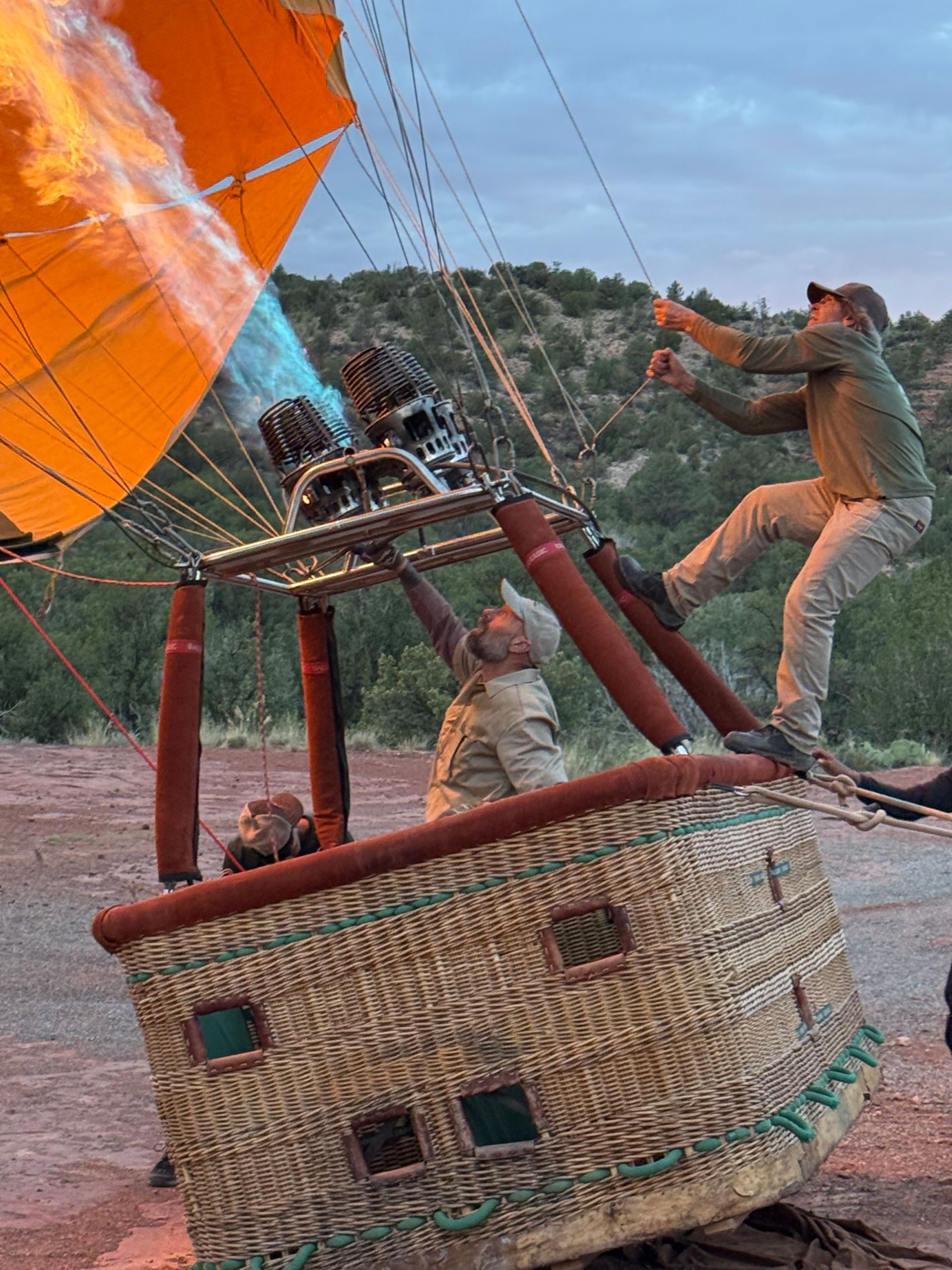
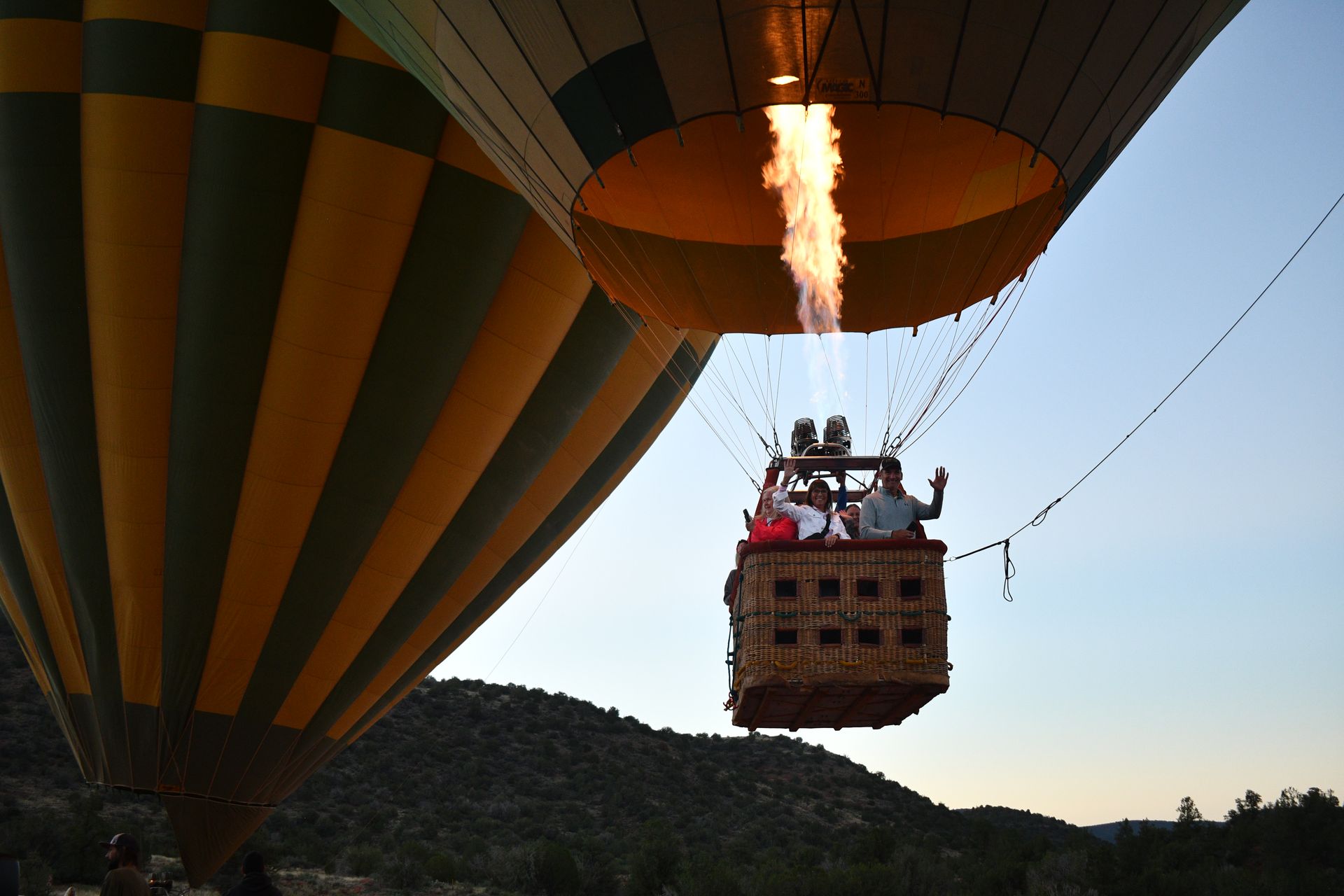
A green and yellow hot air balloon is close to the ground, and two people are observing the balloon.
November 6, 2026
Are you deciding between Sedona and Flagstaff? Explore the scenery, weather, adventures, and local charm that make these Arizona escapes stand out.
October 13, 2026
Discover seven unforgettable places to watch the sunrise over Sedona, from scenic overlooks and red rocks to a peaceful hot-air balloon ride nearby.
September 24, 2026
Find the best time to visit Sedona for ideal weather, outdoor adventures, and unforgettable red-rock views throughout every season of the year in AZ.
September 10, 2026
Plan an October visit to Sedona with weather tips, packing advice, hiking ideas, cool evenings, and unforgettable views across the red rocks and more.
August 27, 2026
Discover six Arizona destinations for memorable hot air balloon flights, from Sedona red rocks and Sonoran Desert views to the Colorado River.
August 18, 2026
The right aerial experience depends on what you value when comparing hot air balloons and helicopter tours. One option may stand out quickly.
August 7, 2026
Your perfect red rock getaway begins with knowing the best times of year to travel to Sedona. Each season changes the way the desert feels here.
July 28, 2026
See why travelers put the most beautiful hot air balloon rides across the USA on their bucket lists. Some views are worth an early wake-up call.
July 10, 2026
Build an easy red rock itinerary around the top things to explore in Sedona without hiking. Sedona still leaves room for wonder without the trails.
June 23, 2026
Before the basket rises, how high can a hot air balloon fly? If this is on your mind, the answer may change how you picture the ride from above.
Show More