A Guide: Understanding How High a Hot Air Balloon Can Fly
The basket leaves the ground quietly, yet the view changes fast. As the horizon opens up, it is natural to wonder how high a hot air balloon can fly and what decides the answer. The truth has less to do with chasing the tallest number and more to do with the pilot’s read of the morning wind currents. Understanding those limits gives the flight more meaning before the heat of the burner ever lifts the balloon higher.
What Is the Typical Altitude for a Passenger Hot Air Balloon Ride?
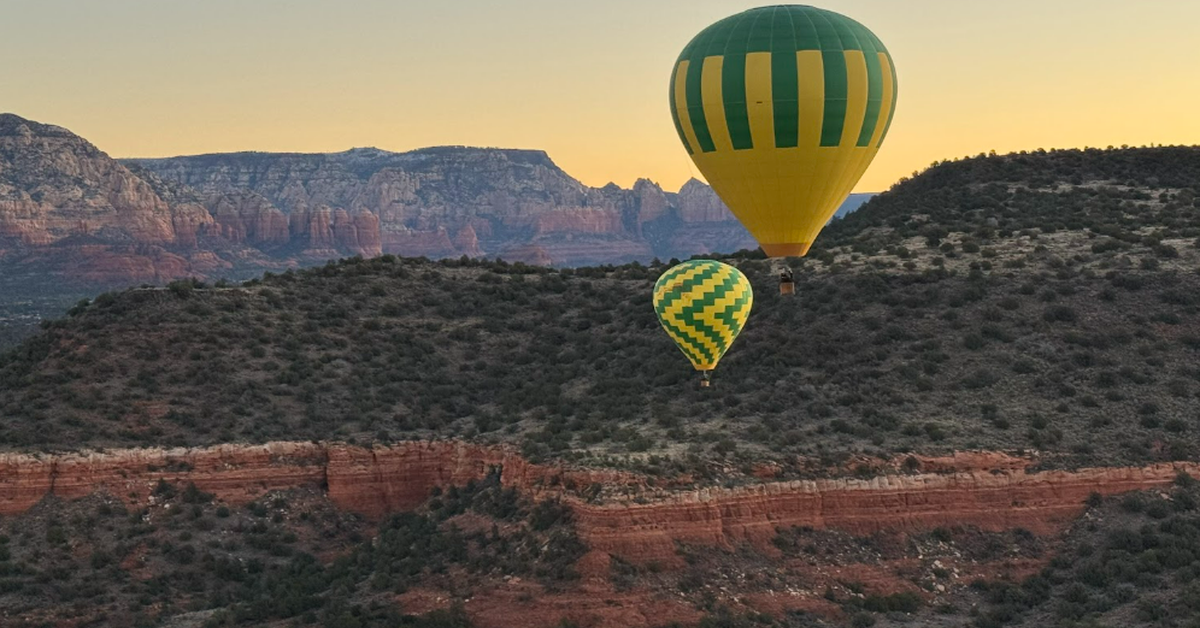
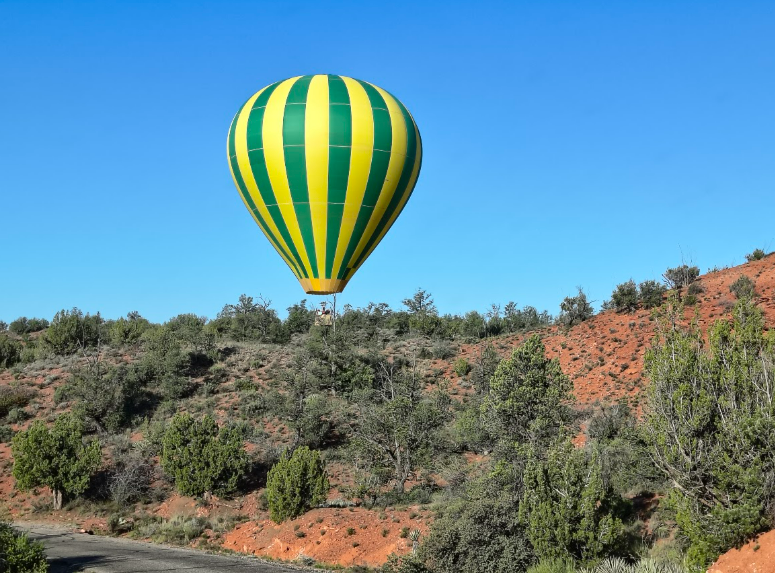
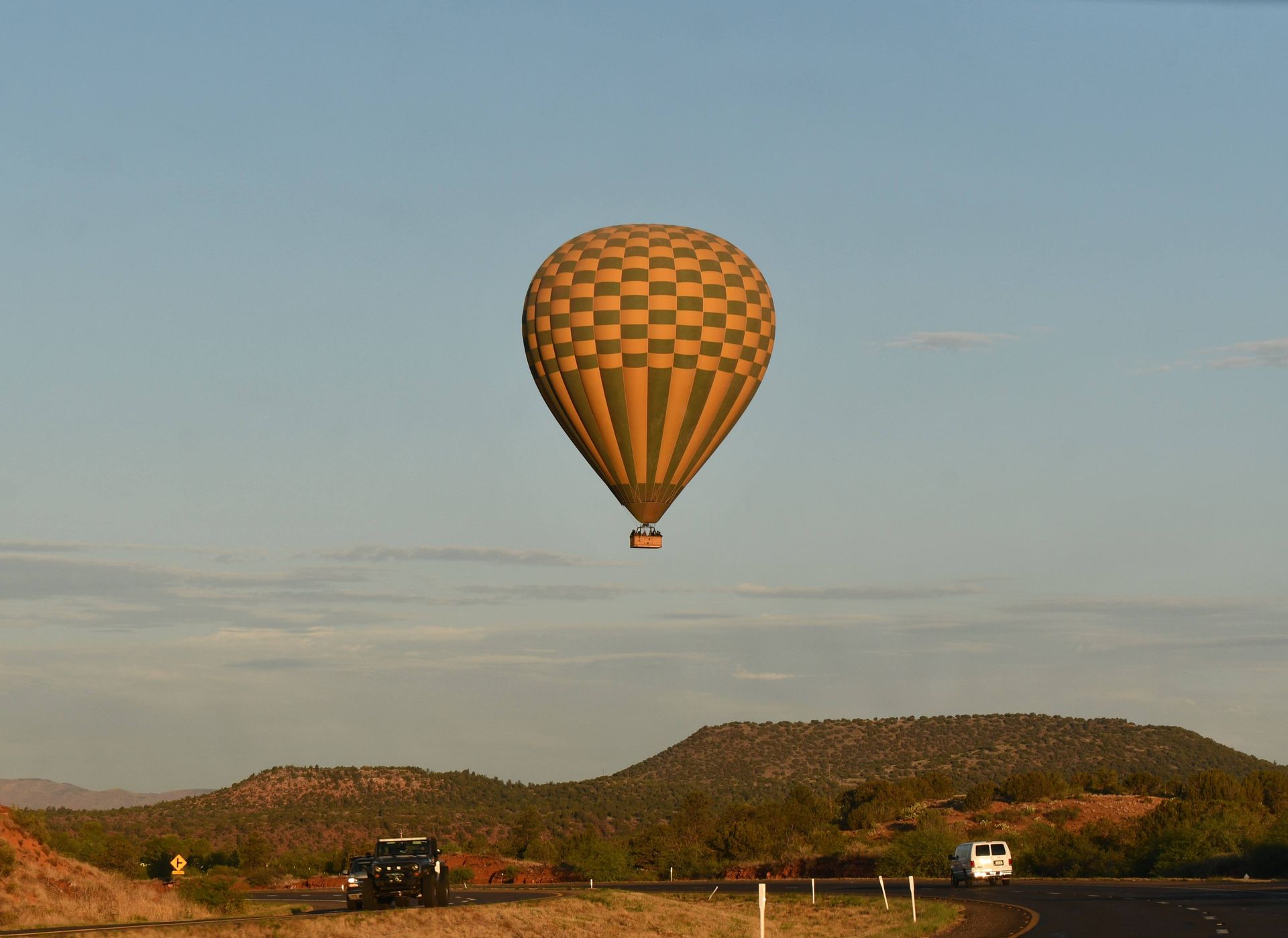
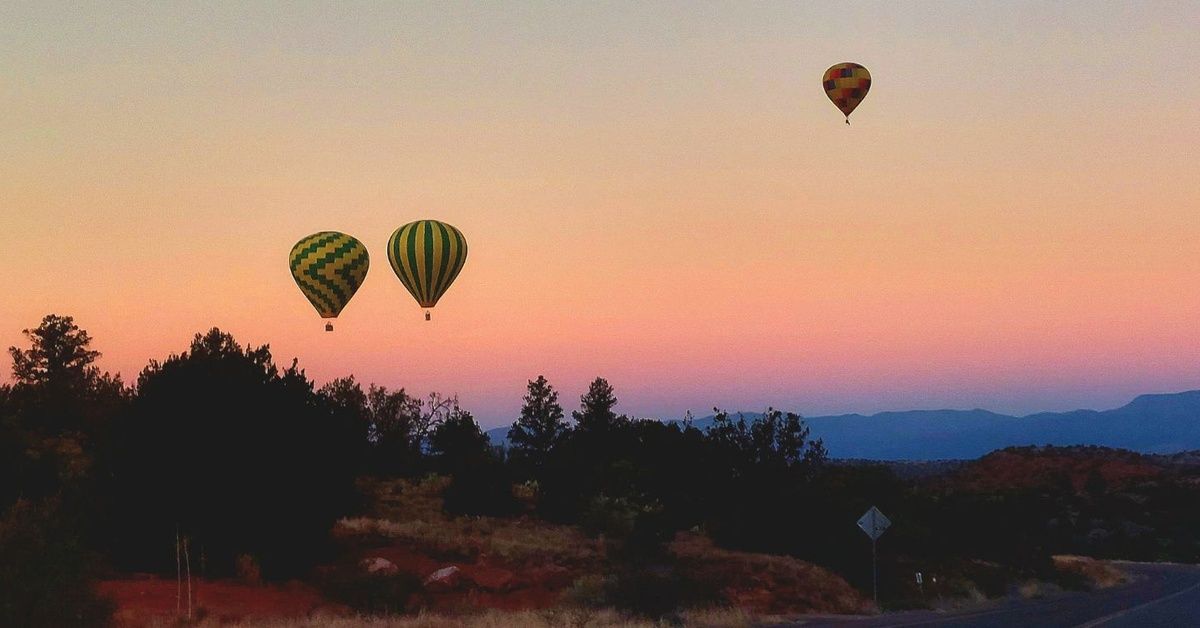
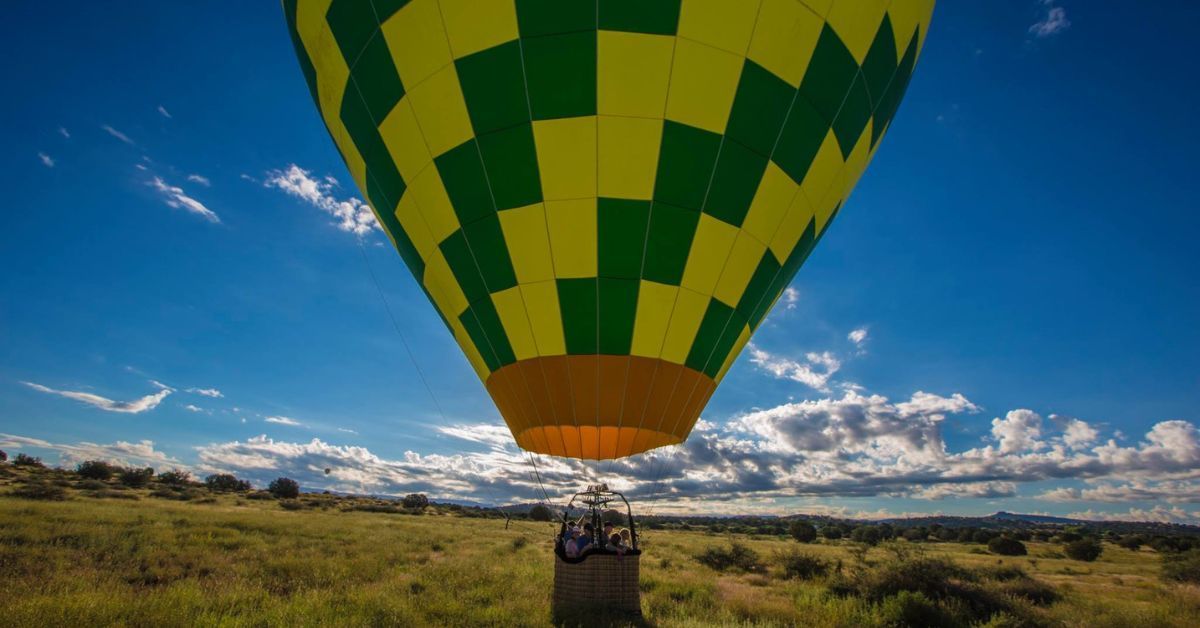
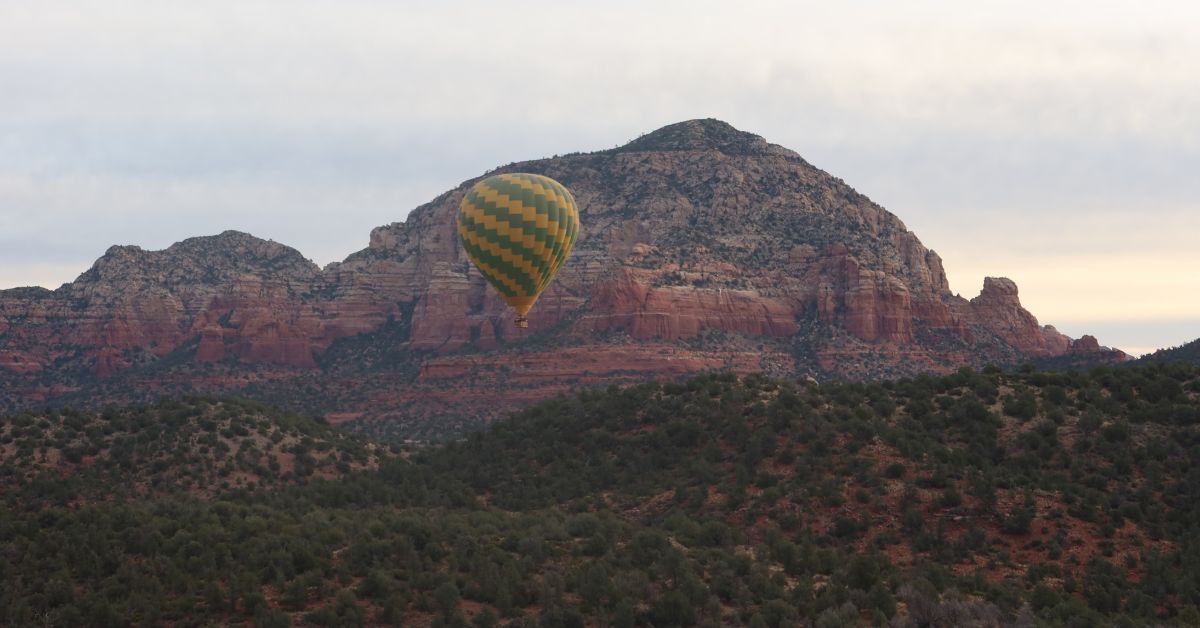
Most passenger hot air balloon rides stay within a lower, more comfortable range than record-setting flights. Many sightseeing flights spend time from a few hundred feet above the ground to a few thousand feet, depending on the launch area and wind layers. Lower portions of the flight add texture to the view, as riders notice the changing landscapes and shadows.
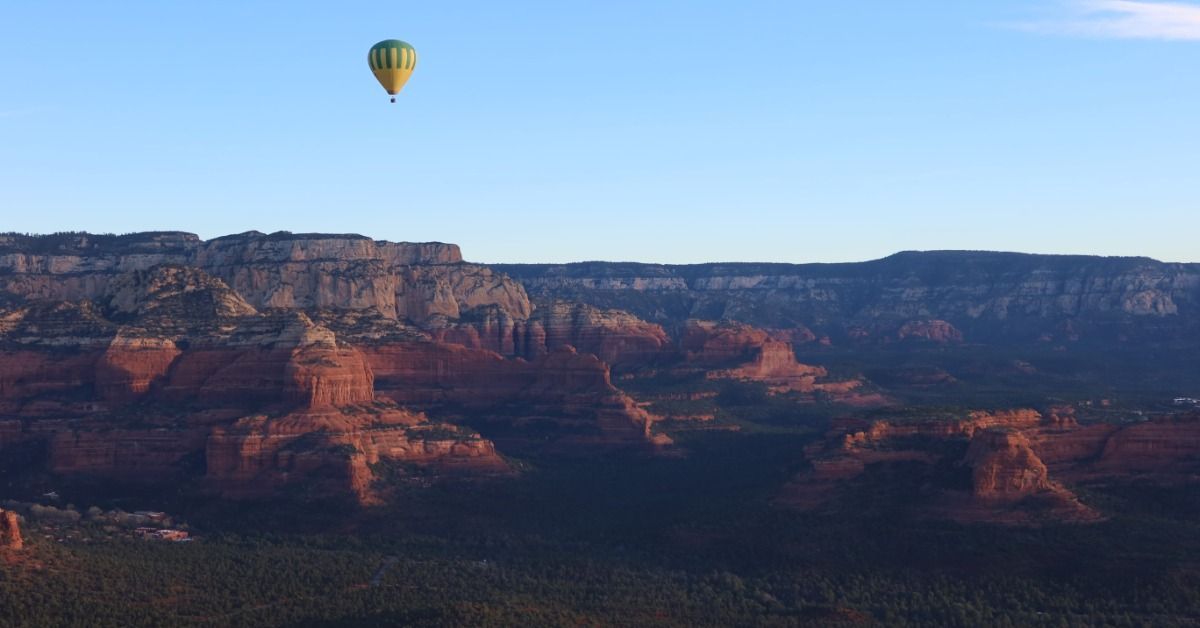
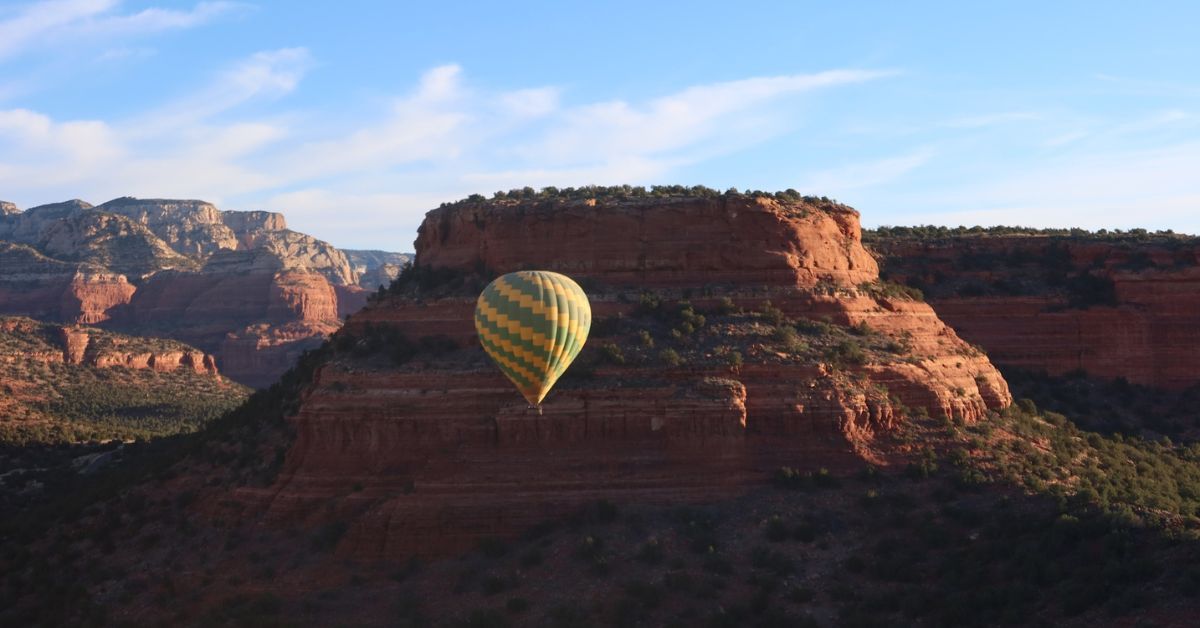
Altitude changes during a ride are normal. A pilot might lift the balloon to find a different wind direction, then descend to position it for a suitable landing. Because balloons move with the air, small altitude adjustments serve as a practical form of navigation. In Sedona, those changes help reveal the scale of the red rocks without turning the ride into a high-altitude test.
What Is the Maximum Altitude a Hot Air Balloon Can Reach?
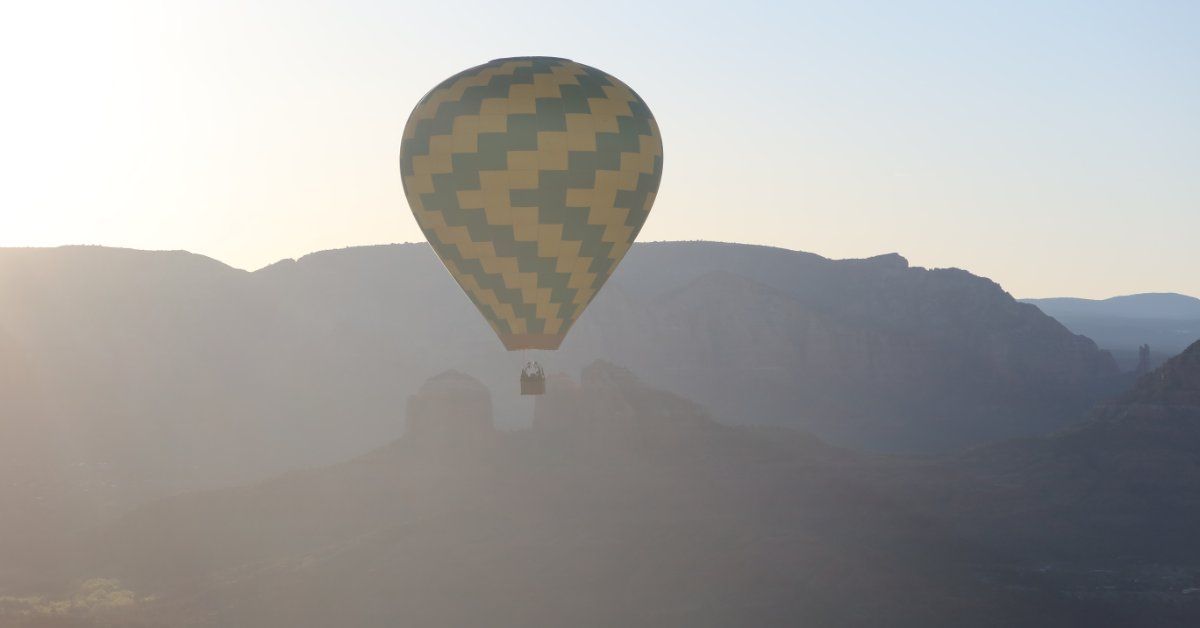
A hot air balloon is capable of flying far higher than a typical passenger ride. The recognized hot air balloon altitude record is 21,027 meters (68,986 feet), achieved by Dr. Vijaypat Singhania over Mumbai, India, on November 26, 2005. That type of flight belongs to the world of extreme aviation, not everyday sightseeing.
Record flights require conditions and systems far beyond a standard passenger basket. At those heights, oxygen, temperature, aircraft design, and pilot preparation become central concerns. For travelers, the more useful answer is not the absolute ceiling of ballooning. The better question is what altitude gives guests a beautiful ride with the right margin of safety.
The Science Behind the Altitude: How Hot Air Balloons Gain (and Lose) Lift
Hot air balloons fly because heated air inside the envelope becomes less dense than the cooler air around it. The burner sends heat upward into the envelope, and the warmer air creates lift. When the pilot adds heat, the balloon rises. When the air cools or the pilot vents hot air out, the balloon descends.
The process sounds simple, yet skill comes from timing. A balloon responds gradually, so pilots think ahead before making changes. The weight of the balloon and morning temperatures influence how much lift is available. As altitude increases, the surrounding air becomes thinner, which changes performance and makes each decision more deliberate.
FAA Regulations and Safety Limits That Determine Maximum Flight Height
Altitude is shaped by more than what a balloon is physically able to do. In the United States, pilots must follow FAA rules and equipment standards. Federal oxygen rules require the flight crew to use supplemental oxygen for certain operations above 12,500 feet, and each occupant to be provided oxygen above 15,000 feet. Those requirements make high-altitude passenger ballooning a very different operation from a scenic sunrise flight.
For a Northern Light Balloon Expeditions flight, guests do not need to plan for supplemental oxygen. That detail belongs to extreme high-altitude aviation, not a scenic sunrise ride designed around comfort and safety.
Airspace restrictions influence height, too. Pilots plan around controlled airspace and safe landing areas. A well-run balloon flight begins before launch, with decisions based on current weather information and the day's limitations. Northern Light Balloon Expeditions builds its flights around those decisions, which align with our long local flying history and strong safety record in Arizona.
Weather Conditions That Influence How High a Balloon Can Fly
Weather is one of the largest factors in altitude planning. Wind speed near the ground affects launch and landing, but wind direction at different heights shapes the flight path. A pilot may climb or descend to use a more favorable layer of wind. When upper winds move too quickly or become unpredictable, staying lower is the safer and more comfortable choice.
Temperature plays a role as well. Cooler morning air supports balloon performance, which is one reason many passenger flights take place near sunrise. Visibility and moisture deserve careful attention before a balloon leaves the ground. Since balloons depend on the surrounding atmosphere, the best flights come from patience and sound judgment, not from forcing a specific altitude.
How High Is Too High? Practical Limits for Passenger Comfort
For sightseeing passengers, higher does not automatically mean better. The most memorable views come from a balanced altitude where the landscape still has detail, and the horizon opens gradually. Once a balloon climbs very high, familiar features begin to look flatter and farther away. Comfort changes too, since cooler air and thinner oxygen become more noticeable at elevation.
Passenger flights are designed around enjoyment as much as capability. Guests want room to look around, listen to the quiet above the desert, and take in the sunrise without feeling pushed beyond a relaxed experience. Practical altitude limits protect that experience. A thoughtful pilot considers how the ride feels in the basket.
Book Your Hot Air Balloon Ride With Northern Light Balloon Expeditions
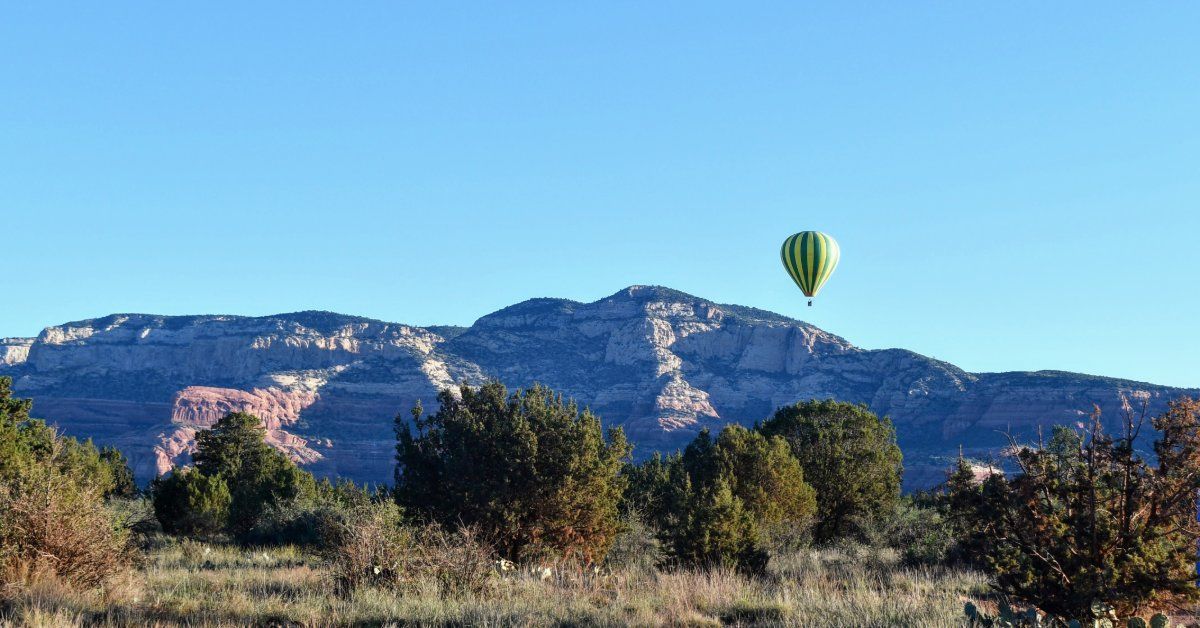
Northern Light Balloon Expeditions brings a quieter kind of adventure to Sedona balloon rides, one centered on sunrise views and the rare perspective of floating above the red rocks. The experience gives travelers a chance to slow down and enjoy a part of Sedona that feels removed from the usual sightseeing pace.
For couples, families, and small groups, the ride offers a memorable way to begin the day without making the outing rushed or overly structured. With a welcoming crew and a flight experience centered on scenery and anticipation, Northern Light Balloon Expeditions offers guests a fresh way to connect with the desert sky.
A passenger balloon ride does not need extreme altitude to be unforgettable. Understanding how high a hot air balloon can fly helps travelers appreciate why the best rides are measured by more than a number on an altimeter. With Northern Light Balloon Expeditions, the goal is a beautiful sunrise experience guided by safety, local knowledge, and the quiet wonder of floating over Sedona.