8 Myths and Misconceptions About Hot Air Balloons
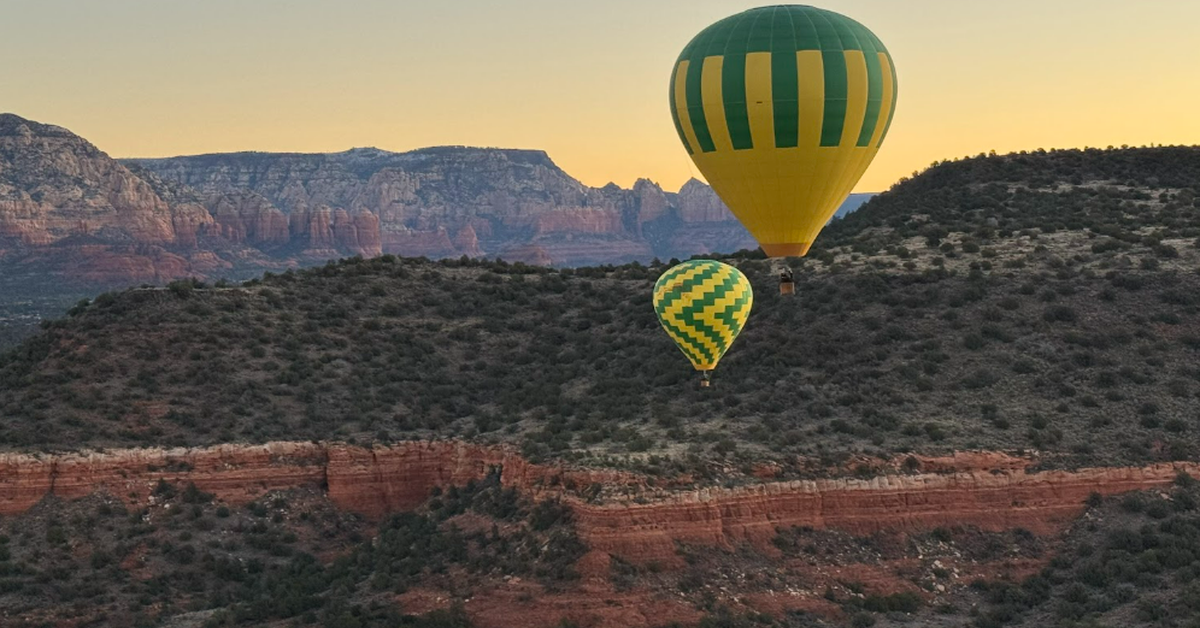
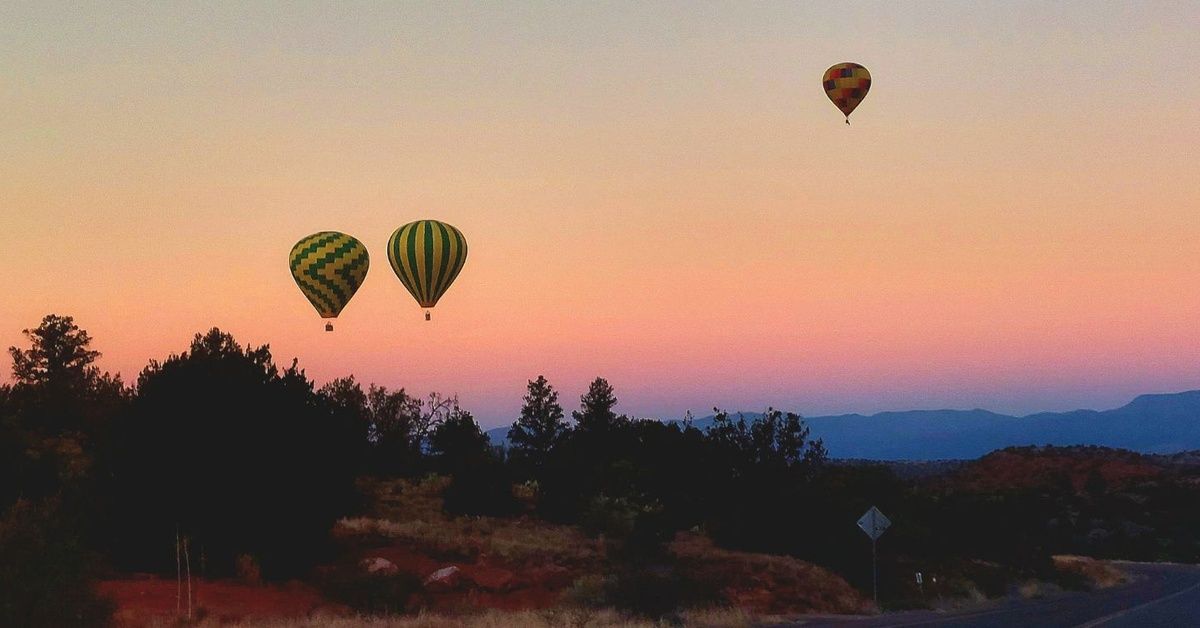
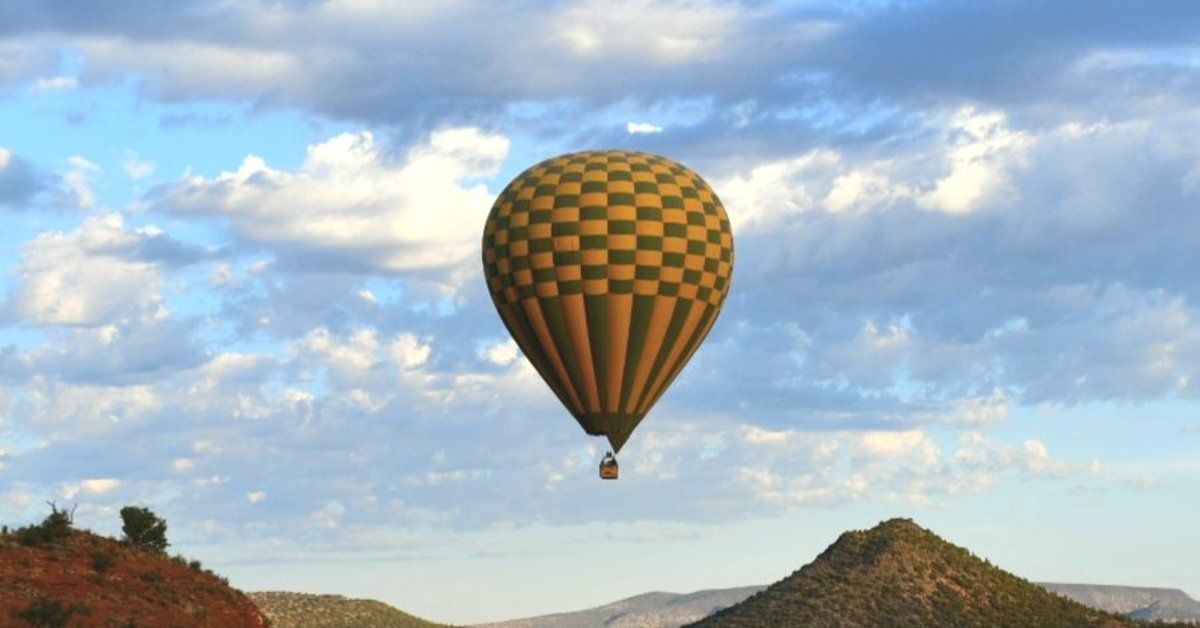
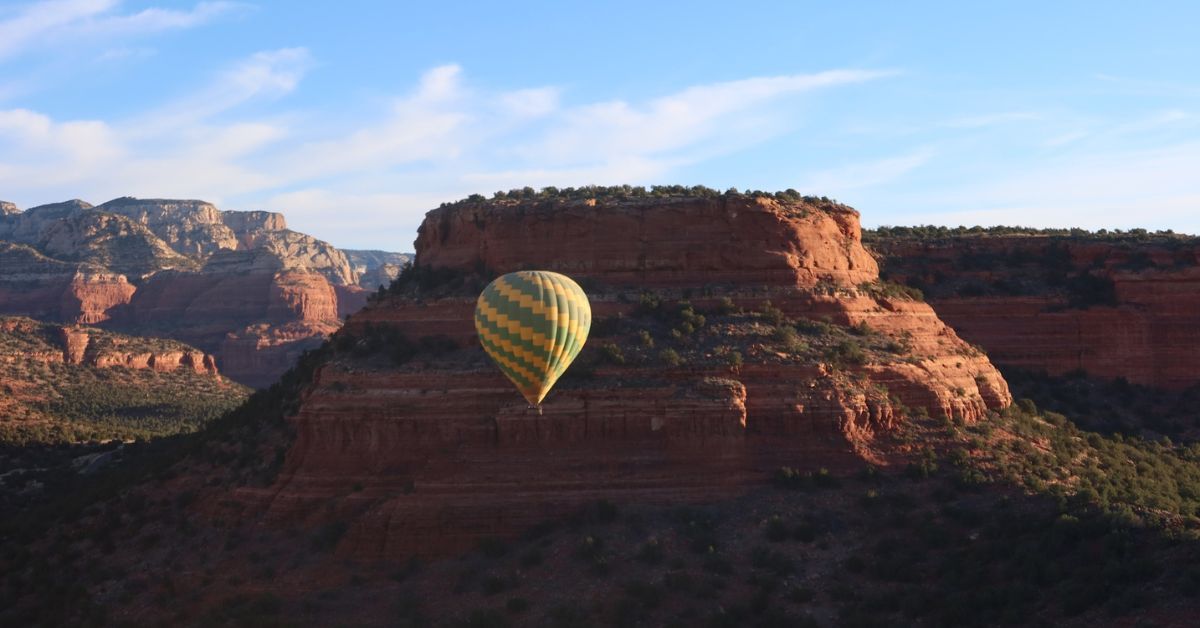
When you look up at the morning sky and see a colorful balloon drifting peacefully over the red rocks, it is easy to let your imagination run wild. Ballooning is an enchanting experience, but it is also a unique form of aviation that many people do not fully understand.
At Northern Light Balloon Expeditions, we love sharing the magic of flight with our guests, but we also believe in preparing you with accurate knowledge. We want to dispel the common myths and misconceptions about hot air balloons so you can feel confident and excited about your journey above Sedona.
Hot Air Balloons Go Wherever the Pilot Wants
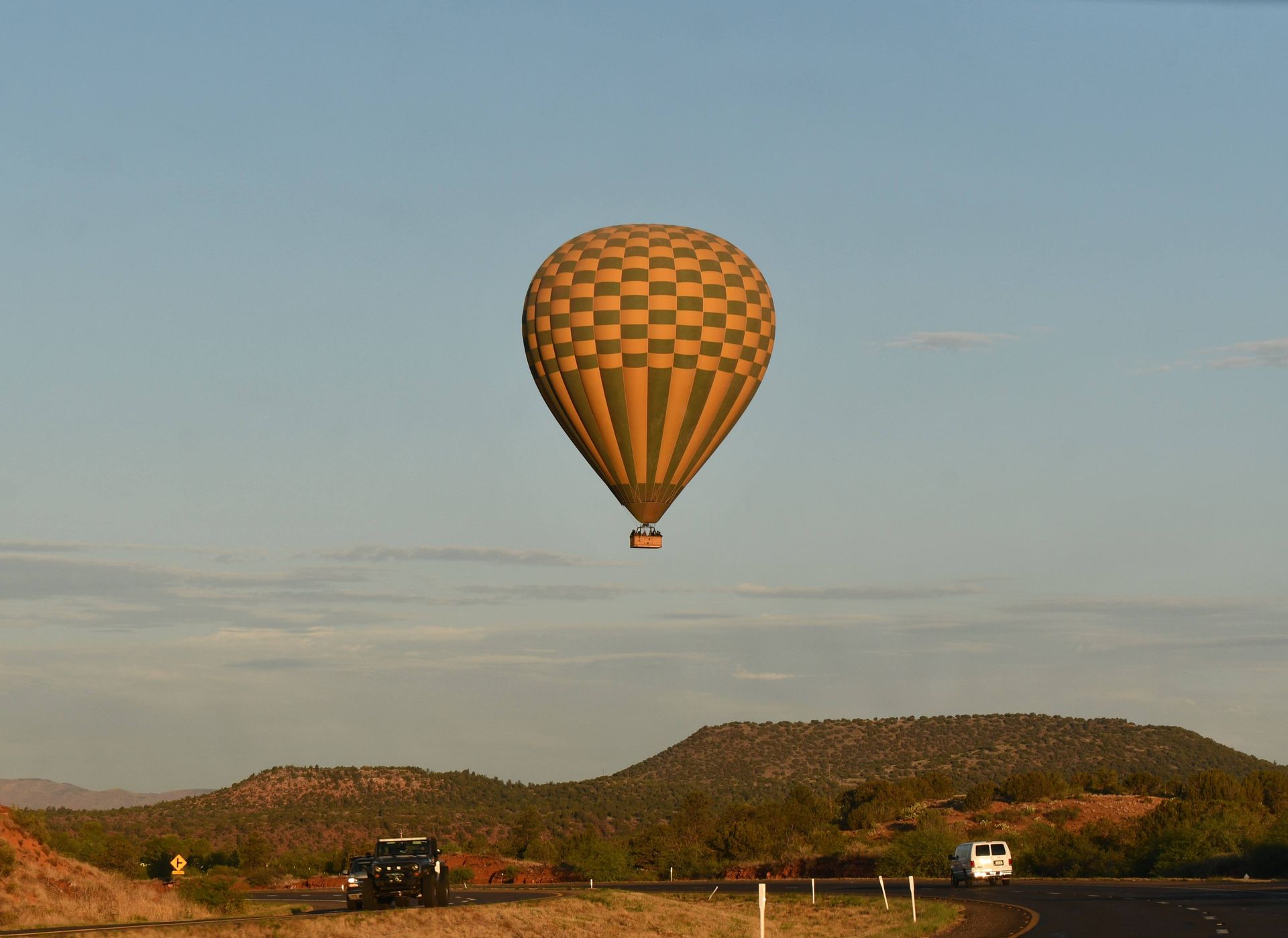
Many people assume a balloon flies like an airplane or helicopter, with the pilot steering toward specific landmarks at will. In reality, hot air balloons have little steering ability other than changing altitude. We are at the mercy of the wind currents.
Our skilled pilots navigate by changing altitude to catch wind layers moving in different directions. This is part of the magic of lighter-than-air flight. You never know exactly where the path will lead, making every trip a unique adventure. We carefully study the weather patterns in Sedona to give you the best possible views, but Mother Nature always dictates the final flight path.
Balloon Rides Are Only for Thrill-Seekers
You might think ballooning is an adrenaline-pumping activity similar to skydiving or bungee jumping. This could not be further from the truth. While the idea of floating thousands of feet in the air sounds intense, the actual experience is incredibly gentle.
The basket usually lifts off the ground so smoothly that many passengers do not even realize they have left the earth until they see the treetops shrinking below them. It is a serene, contemplative experience rather than a heart-pounding thrill ride. Families, couples, and seniors fly with us regularly, finding the journey relaxing rather than terrifying. You simply float with the wind, eliminating the sensation of motion or g-force.
It’s Too Hot in Arizona for Ballooning Most of the Year
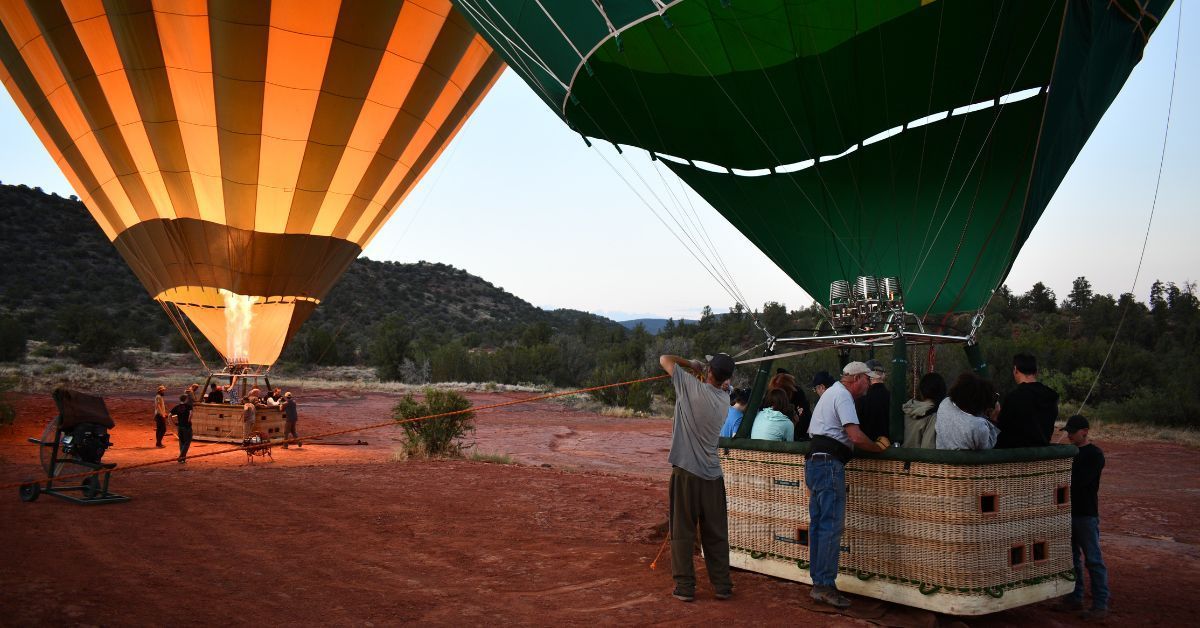
Sedona is famous for its desert landscape, leading visitors to believe it is always scorching hot. However, ballooning happens primarily in the early dawn hours, right around sunrise. Even in the summer months, dawn in the high desert is surprisingly cool and crisp.
We actually recommend bringing a light jacket because temperatures can be chilly before the sun rises fully. Once we are in the air, the temperature does not drop drastically, as it does on high-altitude airplane flights. You will likely feel quite comfortable. The burner overhead also provides a bit of radiant heat, keeping the basket cozy even on cooler winter mornings.
Balloons Can Fly in Any Weather Because They’re Simple Aircraft
Just because a balloon looks simple does not mean it can handle any weather condition. In fact, balloons are extremely sensitive to weather. We require very specific conditions to fly safely: light winds, good visibility, and no storms nearby.
High winds make inflation and landing dangerous, while rain damages the balloon fabric and impairs visibility. Northern Light Balloon Expeditions prioritizes your safety above all else. If the conditions are not perfect, we stay on the ground. We constantly monitor forecasts to choose the best windows for flight. This reliance on calm weather is why our launches are scheduled for early daybreak when the atmosphere is most stable.
The Basket Will Sway Like a Boat or Feel Unstable
A common fear is that the basket will swing back and forth, causing motion sickness or a feeling of instability. This myth likely comes from seeing balloons tethered to the ground in windy conditions. Once a balloon is in free flight, it moves at the exact same speed as the wind. Because you are moving with the air mass, there is virtually no turbulence or swinging motion.
The basket remains remarkably stable and level throughout the flight. You can set a cup of coffee on the basket, and it likely wouldn’t spill. It feels like you are standing on a balcony that just happens to be floating over the stunning red rock canyons.
If the Flame Goes Out, the Balloon Will Fall
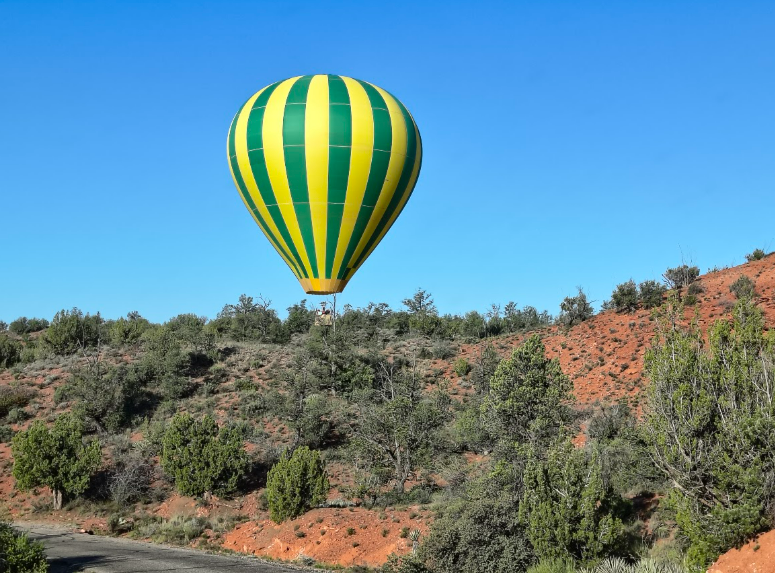
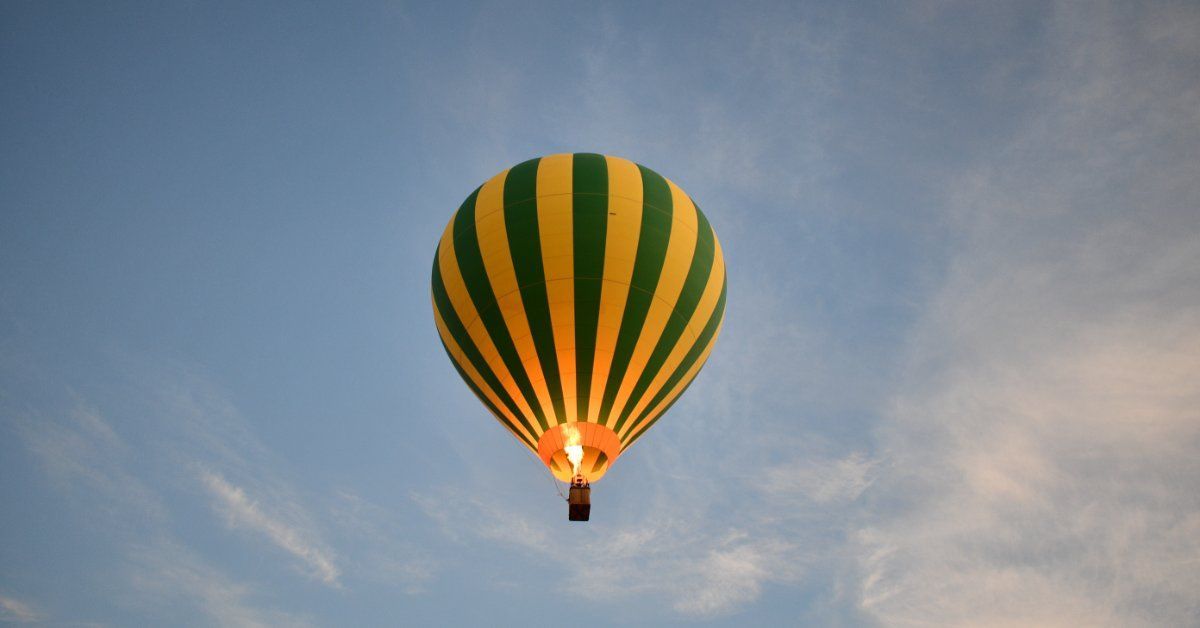
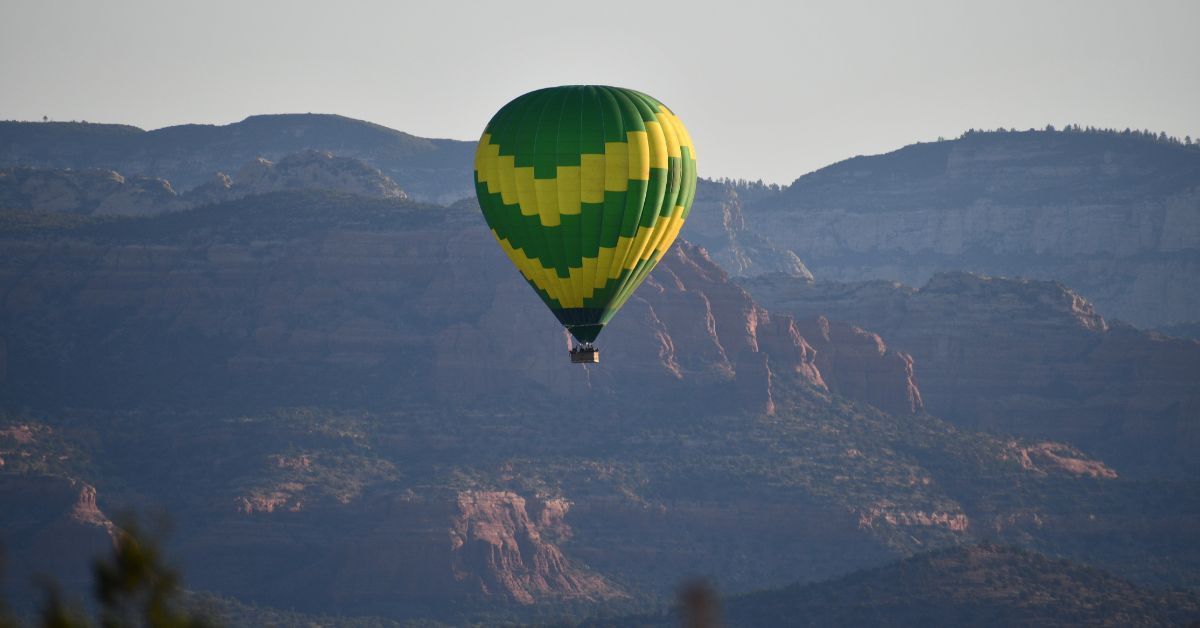
Physics is on your side in a hot air balloon. The balloon stays aloft because the air inside the envelope is hotter than the air outside. If the pilot stops using the burner, the balloon does not drop like a rock. Instead, the air inside cools slowly, and the balloon descends at a gentle, controlled pace. It acts like a giant parachute.
Pilots let the balloon cool intentionally to descend and land. Even in the extremely unlikely event of a burner failure, the balloon would descend at a survivable speed. We carry backup ignition sources to relight the burners immediately if they go out unexpectedly.
You Need To Be Physically Athletic To Ride
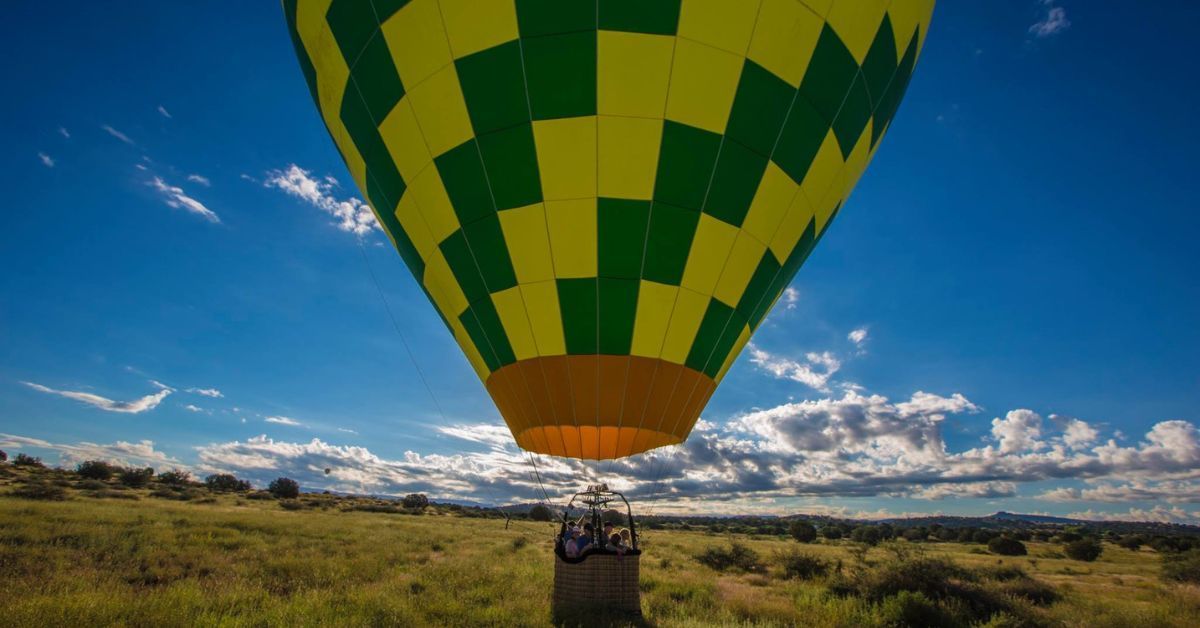
While you do not need to be an Olympic athlete, a basic level of mobility is required for safety. Passengers need to be able to climb into the basket, which involves stepping up and swinging a leg over the side, somewhat like mounting a horse. We also ask that you can stand for the duration of the flight, usually about an hour. Though quite rare, there is a chance we may need to land away from a road, so you should be able to hike up to a mile.
However, you certainly do not need to be in peak physical condition. We host guests of various ages and fitness levels. The most physically active part is often the landing, which can sometimes be bumpy. If you can walk on uneven terrain and climb a few steps, you are likely fit to fly.
Every Flight Is the Same
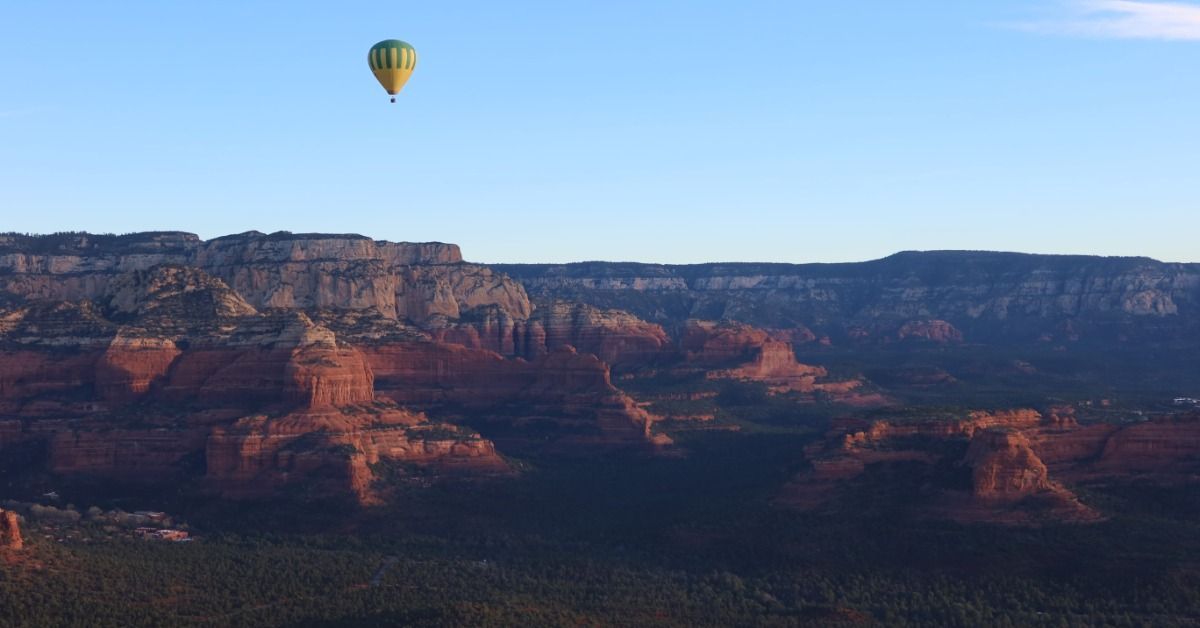
If you have flown once, you haven't seen it all. Every flight is distinct because the wind currents change daily, and even hourly. One day, we might drift low over the treetops, spotting coyotes or deer in the brush. The next day, winds might carry us high above the red rock formations for a panoramic view of the entire Verde Valley.
The light changes with the seasons, transforming the colors of the sandstone cliffs. Sedona hot air balloon companies, like us, delight in the fact that no two logbook entries are ever identical. The unpredictability is what keeps our pilots passionate about flying day after day.
We hope this helps clarify the reality of ballooning. Understanding the truth behind these myths and misconceptions about hot air balloons will help you arrive prepared and ready to enjoy the skies. We look forward to welcoming you aboard! Call us ASAP to schedule your ballooning adventure you’ll never forget.