10 Little-Known Facts About Hot Air Ballooning
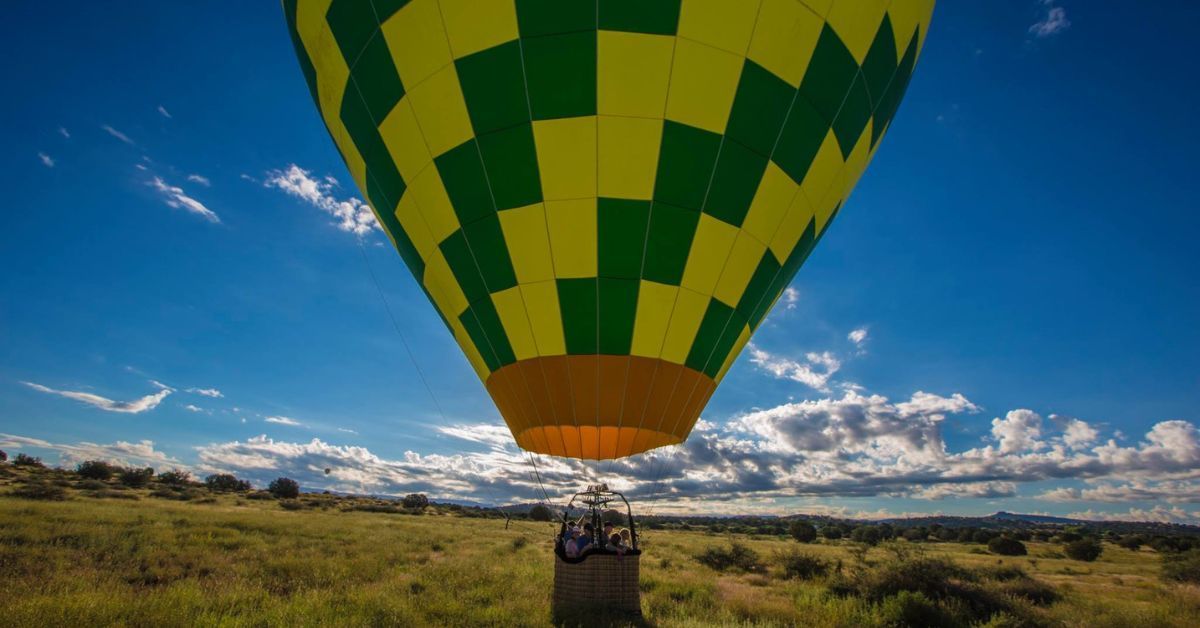
Few experiences capture the magic of flight quite like drifting quietly above the landscape in a hot air balloon. From the first flicker of flame that fills the envelope to the landing in an open field, every moment feels like an adventure suspended between earth and sky.
Yet behind the beauty and tranquility lies a world of surprising history, science, and tradition that many passengers never hear about. These little-known facts about hot air ballooning reveal just how fascinating (and unexpectedly complex) this timeless form of flight truly is.
1. Balloons Don't Have Steering Wheels
One of the most surprising facts for first-time flyers is that hot air balloons have no steering mechanism. So how do pilots navigate? They become masters of the wind.
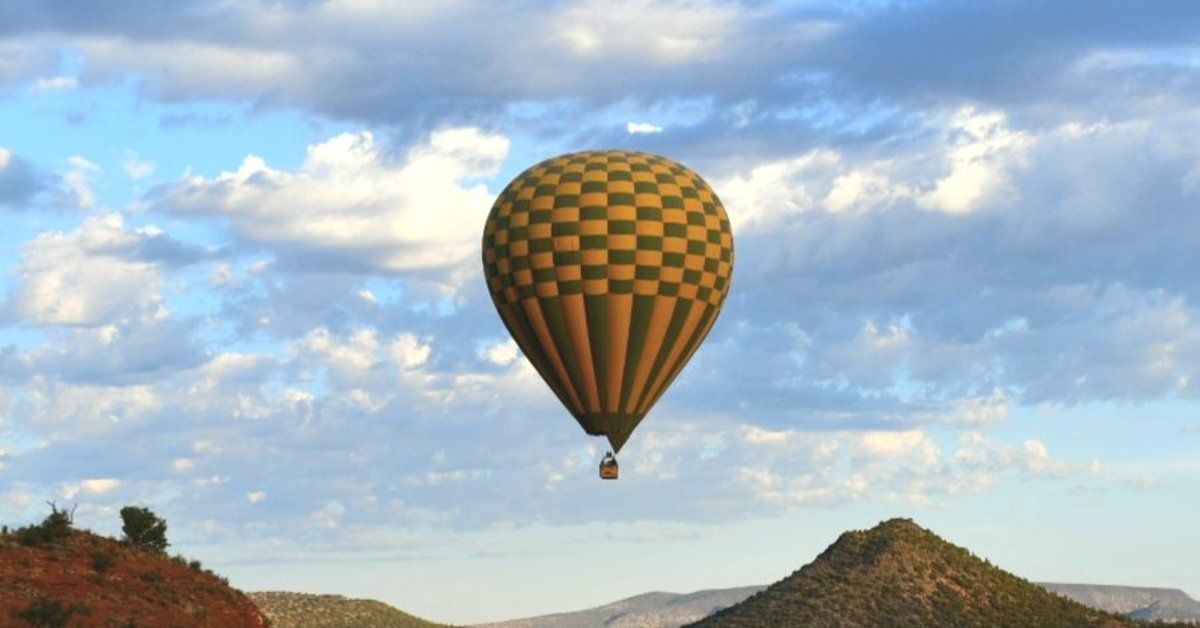
Pilots expertly change the balloon’s altitude to find different wind currents, which travel in various directions and at different speeds. By ascending and descending, a skilled pilot can guide the balloon toward a desired landing area. Mother Nature is in charge, and every flight is a unique journey dictated by the day's breezes.
2. The Burner Is Incredibly Powerful
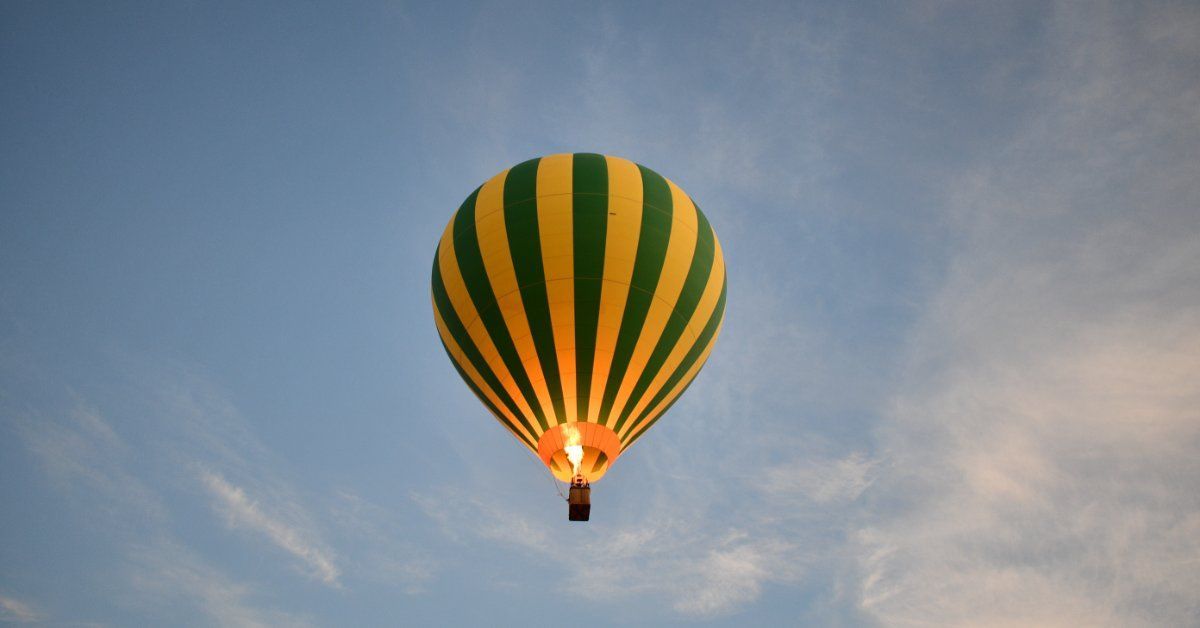
The loud "whoosh" you hear during a flight comes from the balloon's burner, an impressively powerful piece of equipment. A typical hot air balloon burner can produce up to 15 million BTUs of heat. To put that in perspective, it’s about 150 times more powerful than a standard home gas grill.
This immense power is necessary to heat the large volume of air inside the envelope (the balloon's fabric) quickly. The burner’s heat allows the pilot to control the balloon's ascent with precision.
3. Balloons Can Fly Extremely High
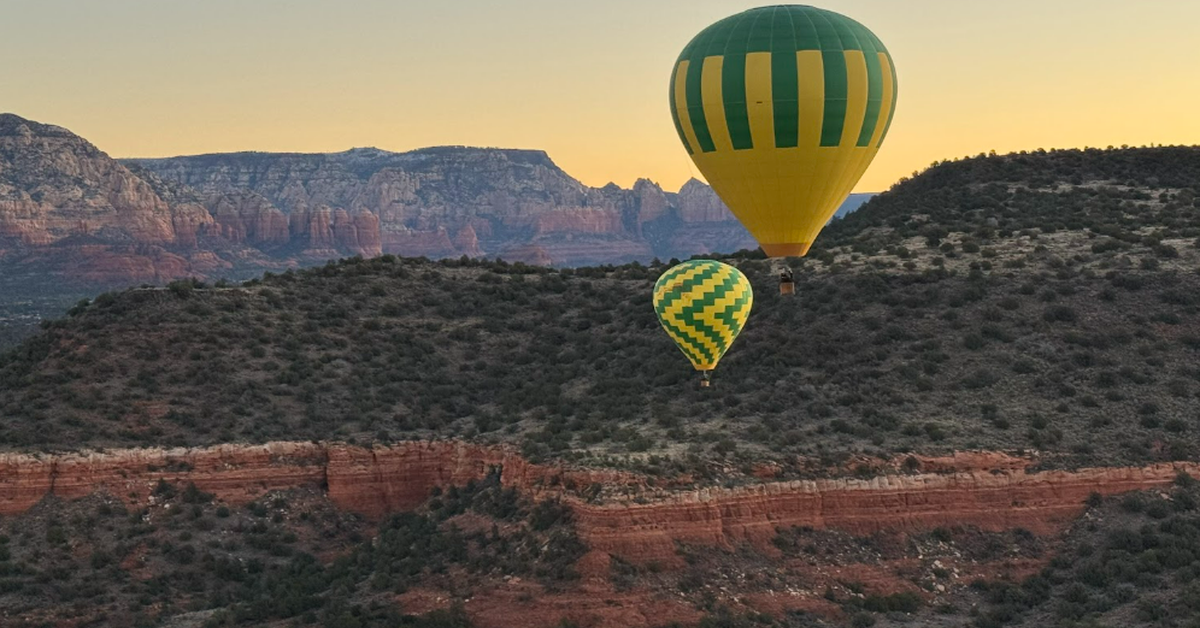
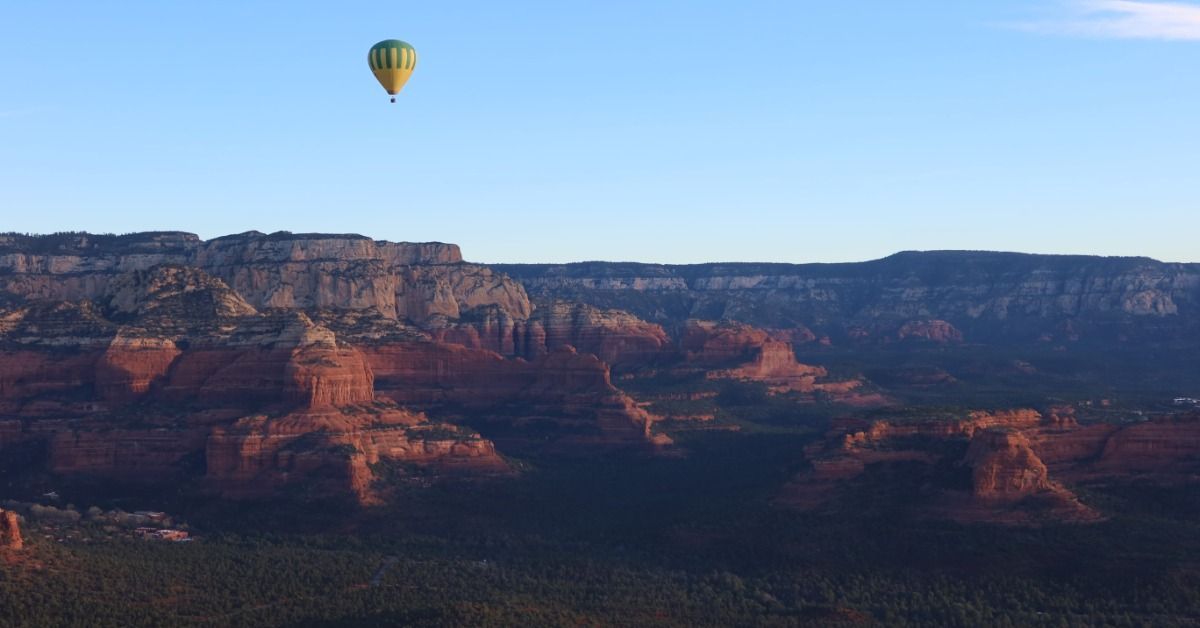
Most commercial balloon rides, like ours over Sedona, take place at altitudes from treetop level up to several thousand feet for the best views. However, hot air balloons are capable of reaching incredible heights.
The current world altitude record for a hot air balloon was set in Mumbai, India. Vijaypat Singhania reached an altitude of 68,986 feet in a hot air balloon in 2005. Flights at such extreme altitudes require specialized equipment, including pressurized capsules and oxygen masks, much like what astronauts use.

4. The First Passengers Weren't Human
The first-ever hot air balloon flight with living passengers took place in France on September 19, 1783. The inventors, brothers Joseph-Michel and Jacques-Étienne Montgolfier, wanted to test the effects of altitude before sending a person into the sky.
Their solution? They launched a balloon carrying a sheep, a duck, and a rooster. The flight lasted about eight minutes and landed safely, proving that living beings could survive the journey. This historic event paved the way for the first human flight just two months later.
5. The Inventor Was a Paper Manufacturer
The Montgolfier brothers weren't scientists or aviators; they were paper manufacturers. They noticed that pieces of paper and fabric would rise when held over a fire. This simple observation led them to experiment with larger bags made of silk and paper, much like the sky lanterns used in China over the centuries. The Montgolfier brothers were the first to use the concept for human flight.
It is often stated that the brothers thought the smoke itself had a special lifting property, which they called "Montgolfier Gas." However, the brothers knew the hot air itself was providing lift, while the smoke was incredibly useful to help seal the porous fabrics available at the time, better keeping the hot air contained. We now know more about the principle that hot air is less dense than cool air, but their paper-making background was the unlikely key to unlocking human flight.
6. 524 Hot Air Balloons Ascended at Once
Hot air ballooning attracts passionate enthusiasts from all over the world, and sometimes those passions lead to truly spectacular events. On October 6, 2019, the Albuquerque International Balloon Fiesta in New Mexico, USA, set the Guinness World Record for the greatest mass ascent of hot air balloons.
That morning, 524 balloons lifted into the sky during a single launch, filling the air with color and excitement. Pilots from 17 different countries joined the event, adding to the awe and sense of international camaraderie. Balloon fiestas like this celebrate the adventure, community, and creative spirit at the heart of hot air ballooning.
7. Champagne Toasts Have a Practical Origin
If you’re offered a post-flight champagne toast, this isn’t just to celebrate. It’s actually a long-standing, cherished tradition in ballooning, and it started for very practical reasons.
When the first balloonists began landing in farmers' fields in 18th-century France, local farmers were often terrified by the sight of a massive, smoke-belching craft descending from the sky. To calm the frightened landowners and prove they were friendly travelers, the pilots would offer a bottle of champagne as a gesture of goodwill.

8. Landing Is the Trickiest Part
Of all the moments during a hot air balloon flight, landing often brings the most excitement and anticipation. Unlike taking off, pilots cannot pick their exact landing spot ahead of time—Mother Nature has the final say.
Pilots use their skill and knowledge of the wind to find a safe and suitable area, which can sometimes be open fields, roads, desert clearings, or even ranch land. During landing, the basket may make gentle bumps, tip slightly on its side, or even tip all the way onto its side, depending on the wind speed near the ground. Landing might feel like its own little adventure, and it’s all part of the experience you'll remember fondly.
9. Morning is the Best Time to Fly
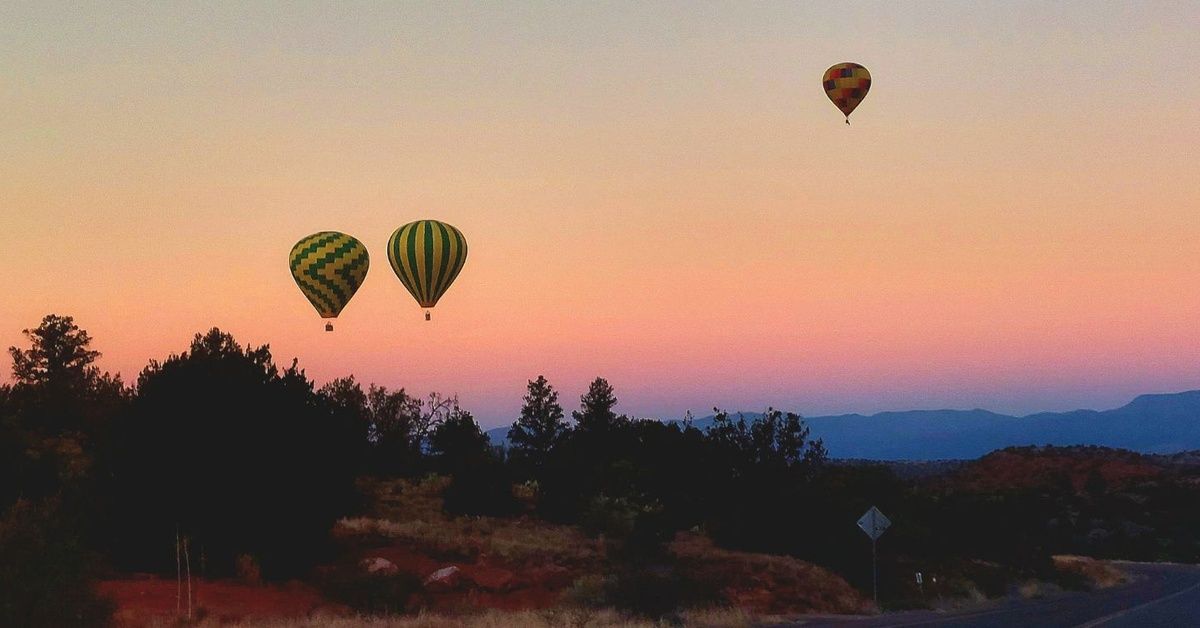
Have you ever wondered why most balloon rides happen at sunrise? It’s because the weather conditions are most stable during the first few hours after dawn. The sun has not yet had enough time to heat the ground, which prevents the development of thermals, or unpredictable vertical air currents.
This calm, cool air provides a smooth and safe environment for flying. It also means you get to witness a spectacular sunrise from the air, a truly unforgettable bonus.
10. You Won't Feel the Wind
When you are floating in a hot air balloon, you move with the wind, not against it. Because you become part of the air current, the only time you might feel a slight breeze on your face is when the airship is moving between two different air layers going different directions and speeds. The basket remains remarkably still and peaceful as it drifts along.
This lack of wind chill is also why it feels surprisingly warm in the basket, especially with the radiant heat from the burner above. This gentle, serene motion is what makes riding in hot air balloons such a tranquil and unique experience.
Ready to turn these little-known facts about hot air ballooning into your own unforgettable story? Northern Light Balloon Expeditions invites you to experience the wonder of Hot air balloons in Sedona firsthand.
With Arizona’s most experienced pilots, a proven safety record, and breathtaking sunrise flights above the iconic red rocks, your adventure awaits. Reserve your spot and let our dedicated team introduce you to the magic and excitement found only in the skies!