Ballooning Explained: How Hot Air Balloons Work
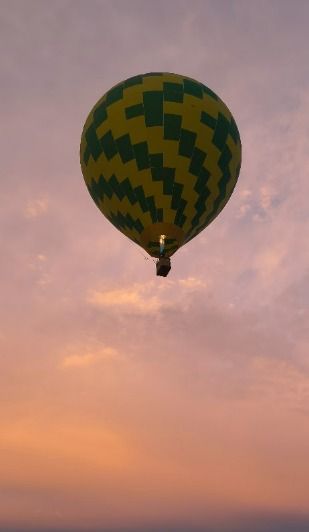
Have you ever looked up at the sky and seen a colorful balloon drifting peacefully overhead? It's a magical sight that sparks a sense of wonder and adventure. Many people dream of sailing among the clouds, but few understand the elegant science behind it.
Northern Light Balloon Expeditions is here to pull back the curtain and show you exactly how hot air balloons work. From the physics of flight to the traditions that cap off the journey, this is your inside look at the oldest and most romantic form of aviation.
The Anatomy of a Hot Air Balloon
A hot air balloon might look simple, but it's a sophisticated aircraft with three main parts working in harmony. Understanding these components helps you appreciate the engineering that makes your flight possible.
The Envelope
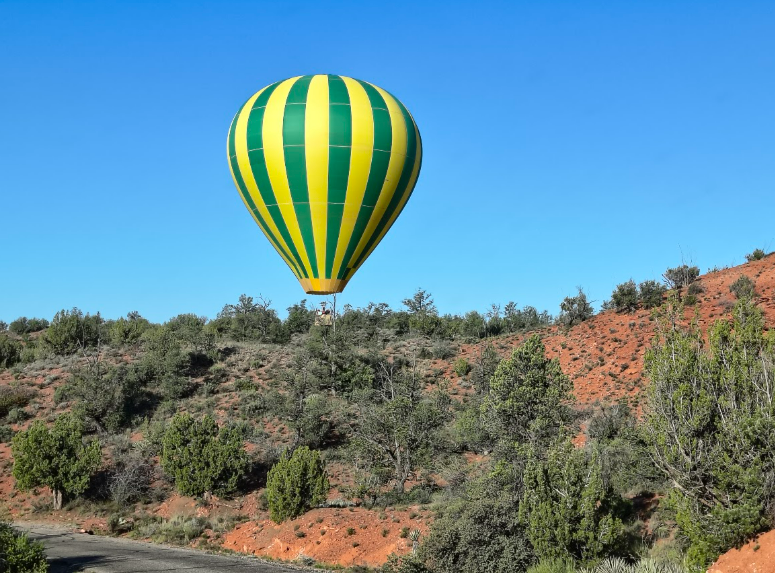
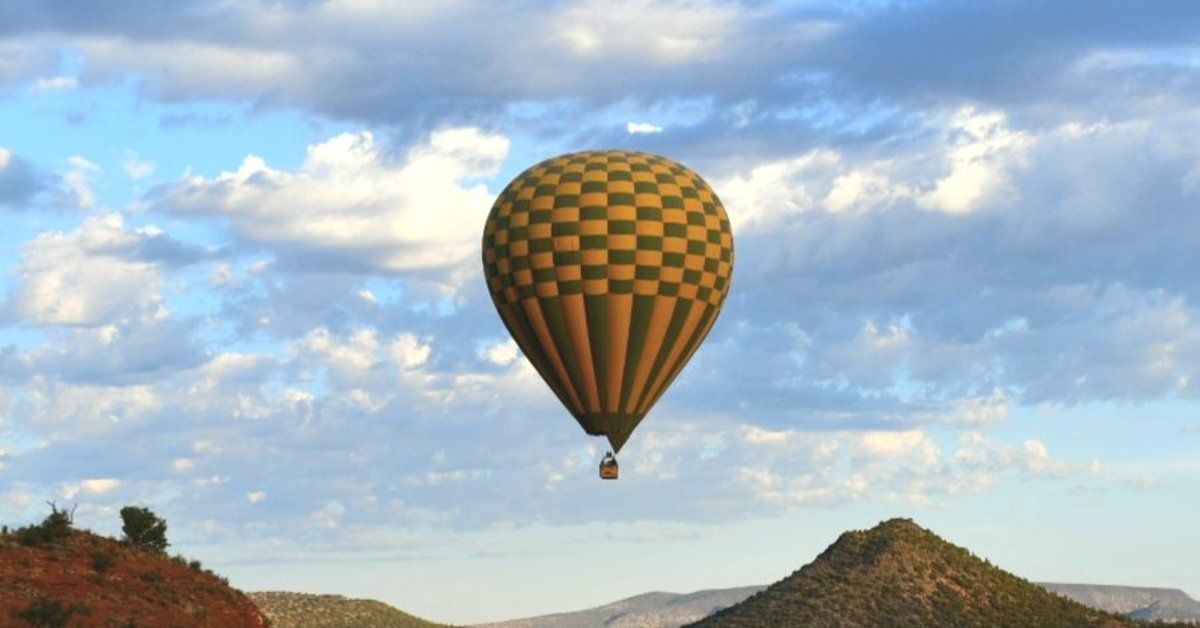
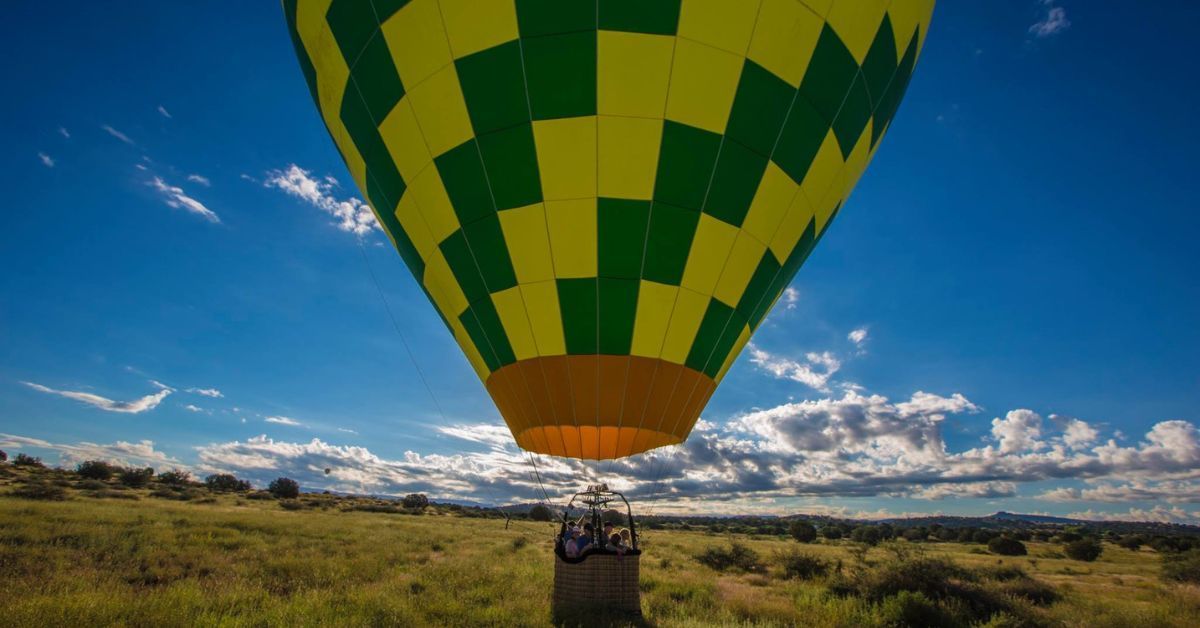
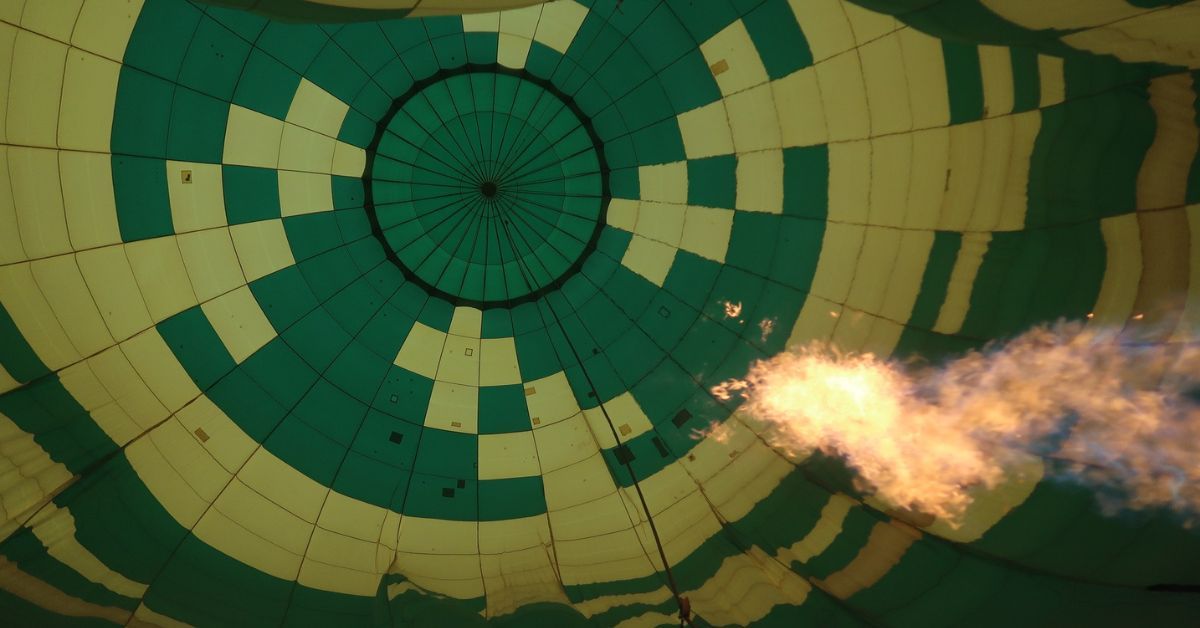
The envelope is the most recognizable part of a hot air balloon. It’s the vibrant, teardrop-shaped balloon itself! The envelope is constructed from long sections of ripstop nylon, a strong, lightweight fabric coated to be airtight. The section at the very top, called the crown, is made of a more heat-resistant material because that's where the hottest air gathers.
The Burner
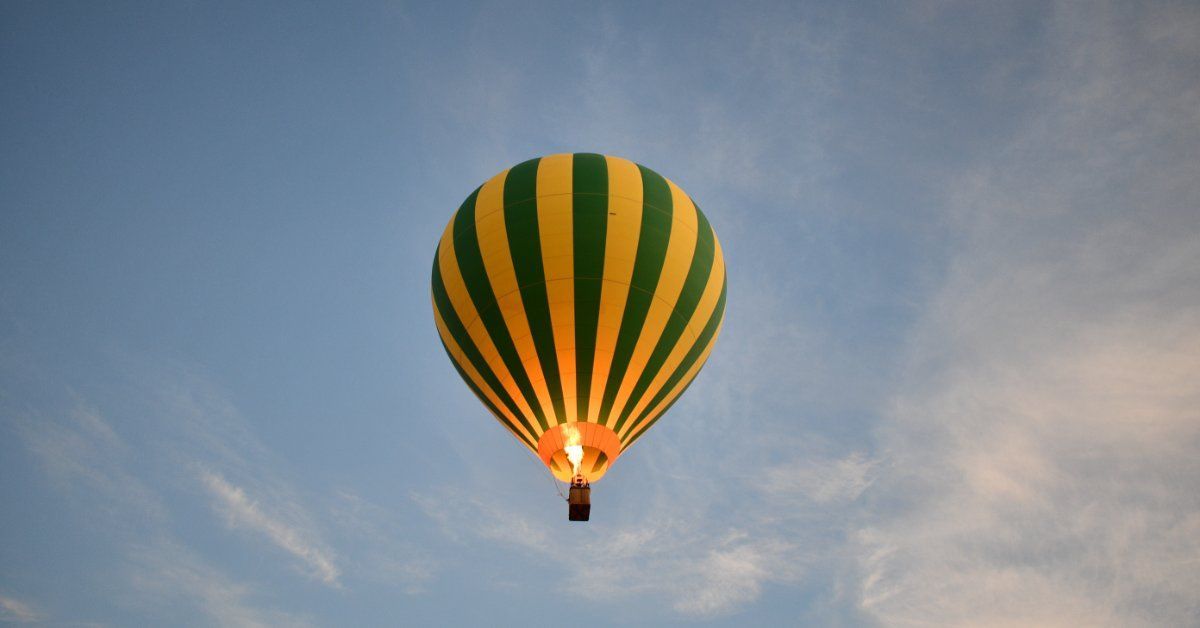
Think of the burner as the engine of the balloon. Positioned directly beneath the envelope's opening, this powerful device mixes liquid propane from the basket's tanks with air, igniting it to produce a roaring flame. The pilot controls this flame to heat the air inside the envelope.
The Gondola, aka The Basket
The basket is where you and your pilot will stand during your adventure! Baskets are traditionally woven from wicker, which is surprisingly strong, flexible, and lightweight. Its flexibility helps absorb the impact of landing and provides a cushioned end to your flight. You can expect baskets to be sturdy and designed to provide a secure, panoramic view of the stunning landscape below.
The Science of Lift
The principle that allows a massive balloon to float is surprisingly simple: hot air rises. The air inside the envelope is heated by the burner, making it less dense than the cooler air outside. This difference in density creates buoyancy.
As the pilot fires the burner, the air molecules inside the envelope expand and move faster, causing many of them to escape through the bottom opening. This leaves fewer molecules inside, making the total weight of the air in the envelope lighter than an equal volume of the cooler, denser air outside.
The surrounding atmosphere essentially pushes up on the lighter balloon, causing it to lift off the ground. To descend, the pilot allows the air inside to cool naturally. The balloon also has a large vent at the top, called a parachute vent, which the pilot can open with a cord to release hot air more quickly for a faster descent or to prepare for landing.
How Pilots Navigate
One of the most fascinating aspects of ballooning is navigation. Balloons cannot be steered in the traditional sense. Instead, pilots use altitude to find wind currents moving in different directions. By ascending or descending, they can somewhat guide the balloon along a chosen path.
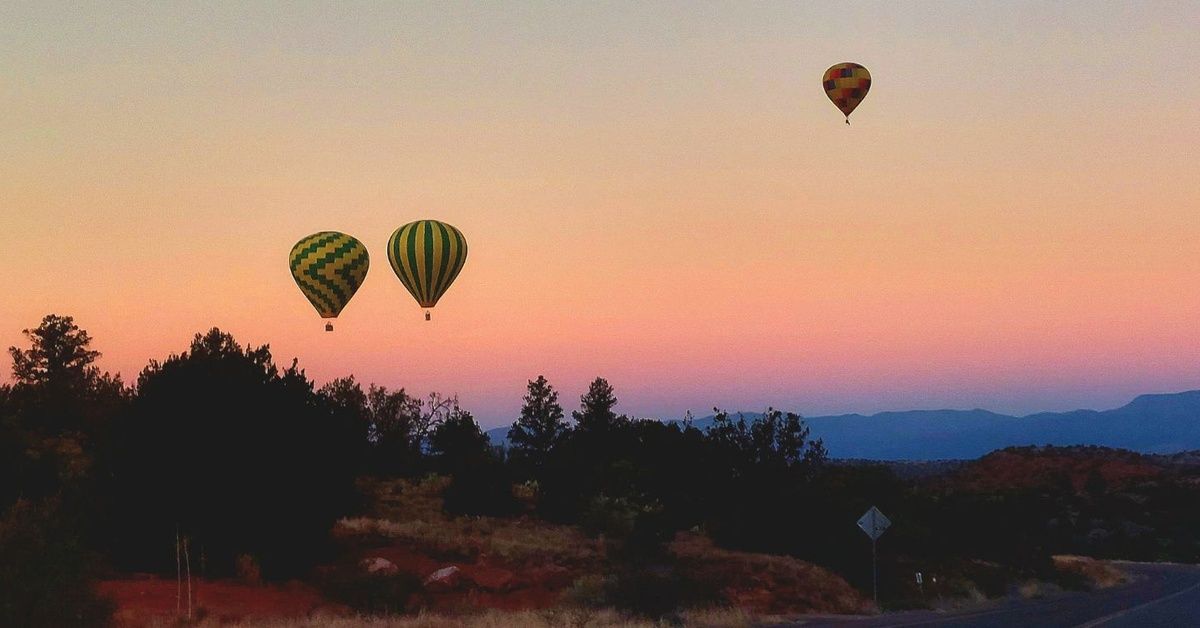
Before each flight, pilots study weather forecasts and wind patterns. Calm conditions are essential for inflation, which is why flights often take place at sunrise when the air is most stable. During the ride, the pilot continually adjusts altitude to follow favorable wind currents.
This method of navigation requires skill and experience. In reality, it is a careful dance with nature, where knowledge of the unique terrain and weather plays a vital role.
The Experience in the Sky
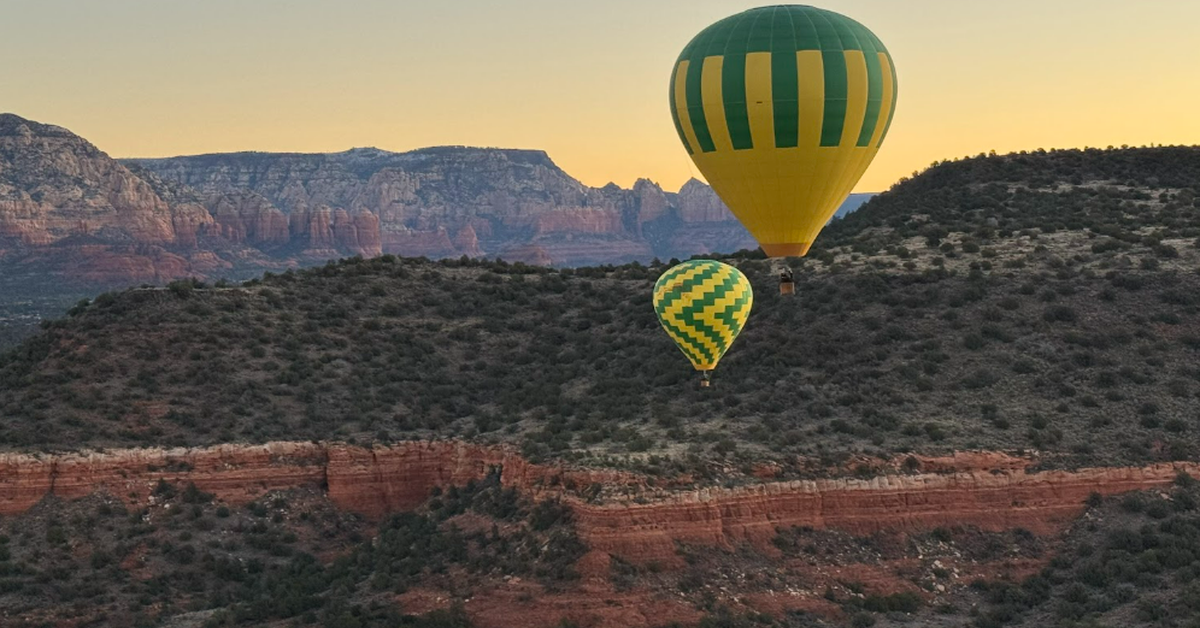
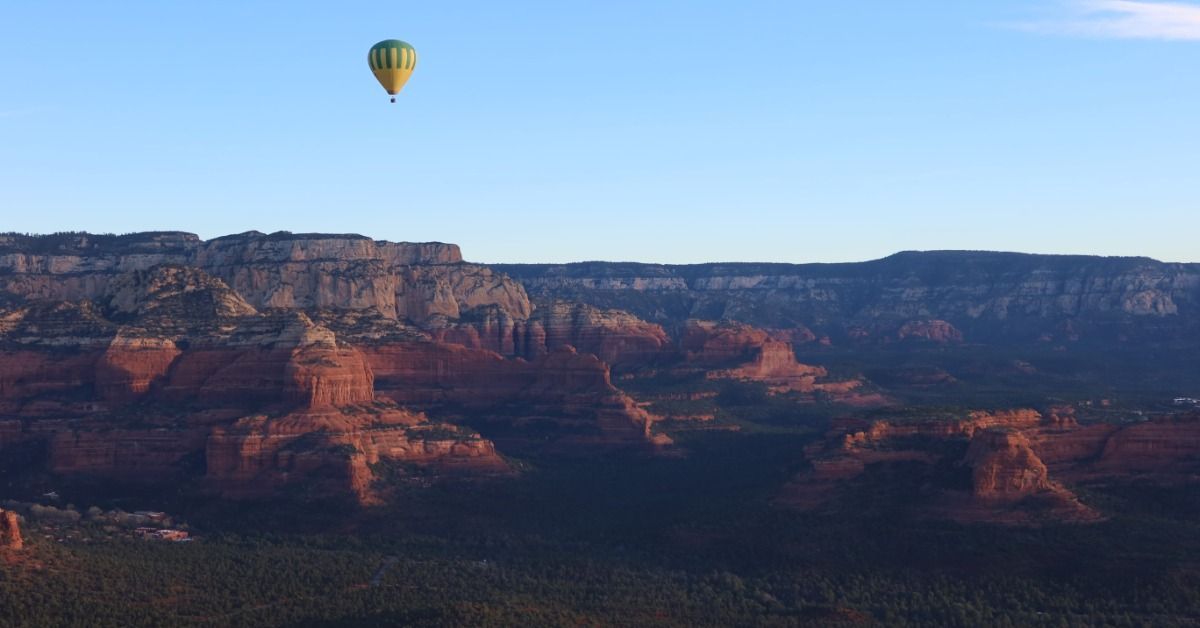
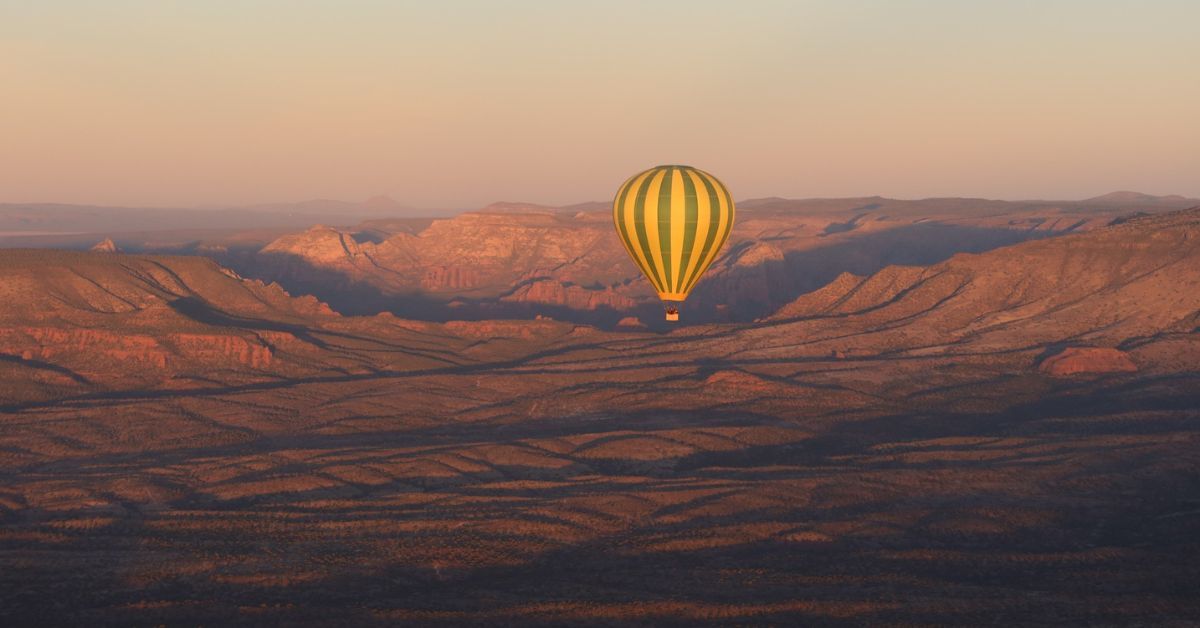
Once the balloon lifts off, passengers are immersed in an atmosphere unlike any other. The roar of the burners punctuates moments of silence, while the balloon drifts gracefully above the landscape. From heights of 1,000 to 3,000 feet, or higher, the views stretch across red rock formations, desert valleys, and distant mountains.
The sensation of flight surprises many first-time riders. There is no turbulence, no vibration, just a gentle floating feeling. The basket remains steady, allowing passengers to take photographs or simply gaze at the scenery.
Flights typically last about an hour, though the memories linger far longer. Guests often describe the ride as serene yet exhilarating, a rare combination that makes ballooning unforgettable. Northern Light Balloon Expeditions, an Arizona hot air balloon company, specializes in creating this experience. We blend technical expertise with hospitality, so every passenger feels comfortable and inspired.
Landing and Post-Ride Traditions
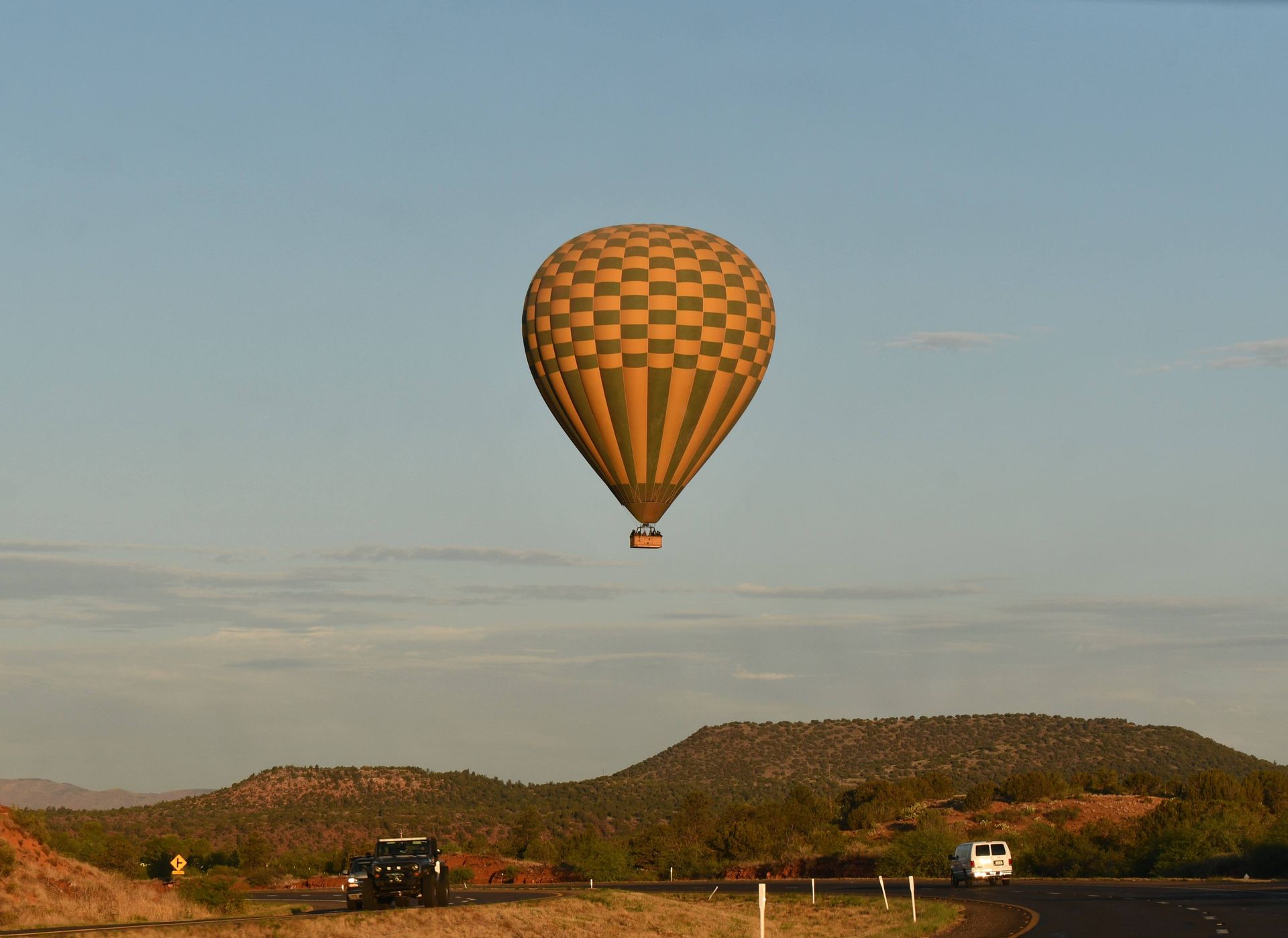
As the flight winds down, the pilot looks for a safe and suitable landing area, often an open desert clearing or field. The descent can vary depending on wind and terrain, so passengers may experience anything from a smooth touch‑down to a bumpier arrival. The ground crew tracks the balloon throughout the flight and meets it at the landing site, ready to assist.
Once everyone is back on solid ground, the adventure continues with traditions that celebrate the spirit of ballooning. Northern Light Balloon Expeditions often marks the occasion with a champagne toast, a nod to the earliest balloonists in France. Guests may also take more photos to commemorate their ride, adding a personal keepsake to an already memorable experience.
Safety and FAQs
Your safety is our absolute priority. Northern Light Balloon Expeditions’ pilots are FAA-certified and have extensive experience navigating the skies over Sedona. We have an excellent safety record, with the longest flying history of any balloon company in Arizona. Our balloons undergo rigorous, regular inspections to meet strict safety standards.
Will I Get Motion Sickness?
It’s highly unlikely. Because the balloon moves with the wind, there's no turbulence or swaying. The feeling is one of smooth, gentle gliding.
What Happens if the Weather Isn’t Right?
Because ballooning depends on calm winds, flights may be rescheduled if conditions are unsafe. While this can be disappointing, it reflects the priority placed on passenger well-being.
Can Children or Older Adults Ride?
Most adults and older children can participate. Baskets have limited space, mobility requirements, and some weight restrictions. Northern Light Balloon Expeditions provides guidance during booking to help guests prepare.
Ballooning combines science, artistry, and adventure in a way few experiences can match. From the anatomy of the balloon to the skill of the pilot, every detail contributes to a journey that feels both magical and grounded in physics. For visitors in Sedona, Northern Light Balloon Expeditions offers the chance to see the high desert from a perspective that is both peaceful and thrilling.
For anyone curious about how hot air balloons work, the answer is best experienced firsthand.