What Is the Perfect Weather for Hot Air Balloon Rides?
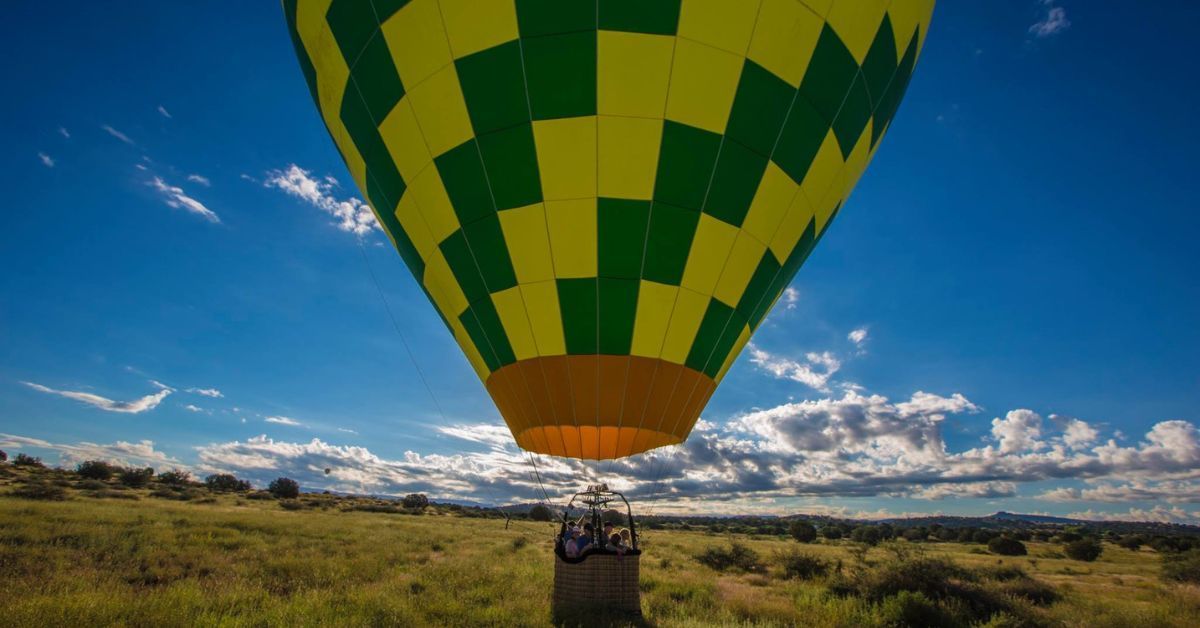
Before a balloon ever leaves the ground, the sky writes the rules. Pilots study shifting winds, the cool breath of dawn, and the clarity of the horizon to decide if the weather will cooperate. The perfect weather for hot air balloon rides is precise: an alignment of calm air and stable conditions that makes flight possible. When those elements come together, passengers step into an experience shaped as much by science as by wonder.
Why Weather Matters for Hot Air Ballooning
Hot air balloons rely entirely on the atmosphere to fly, which makes weather the single most important factor in every launch. Because balloons have no engines or steering systems, they move with the wind. And only calm, predictable conditions allow pilots to guide them safely.
At Northern Light Balloon Expeditions, your safety is our absolute priority. This is why our FAA-certified pilots carefully study forecasts and real-time conditions before every flight. Only when weather conditions align will they launch, ensuring that your ride is both breathtaking and secure.
The Ideal Conditions for Hot Air Balloon Rides
A combination of factors must align for a safe and enjoyable flight. Our pilots meticulously analyze each one before deciding to proceed with a launch.
Wind Speed
The most critical weather element for ballooning is the wind. While we need a gentle breeze to carry us over the stunning scenery, strong or gusty winds can make a flight unsafe. No wind at all, and the balloons can’t move in any direction except up and down. Just as with a sailing ship, this condition is called “getting becalmed.”
For launch and landing, surface winds should ideally be light, typically between four and eight knots (about four to nine mph), with no gusts. This allows our ground crew to manage the balloon during inflation and makes for a gentle takeoff. Once airborne, our pilots skillfully use varying wind directions at different altitudes to steer toward a suitable landing zone.
Air Temperature
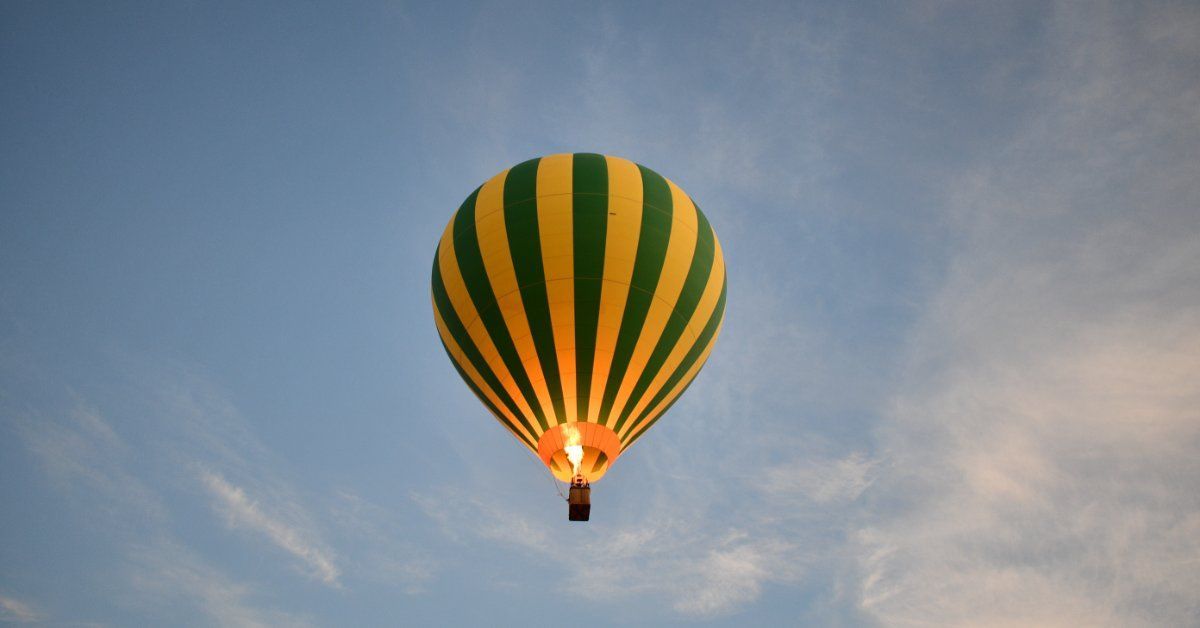
A hot air balloon can fly because the air inside the envelope is hotter than the air outside; a greater temperature difference creates better lift. Cooler air means the burners do not have to work as hard, resulting in a more efficient flight aboard a Northern Light Balloon Expeditions adventure.
Clear Visibility
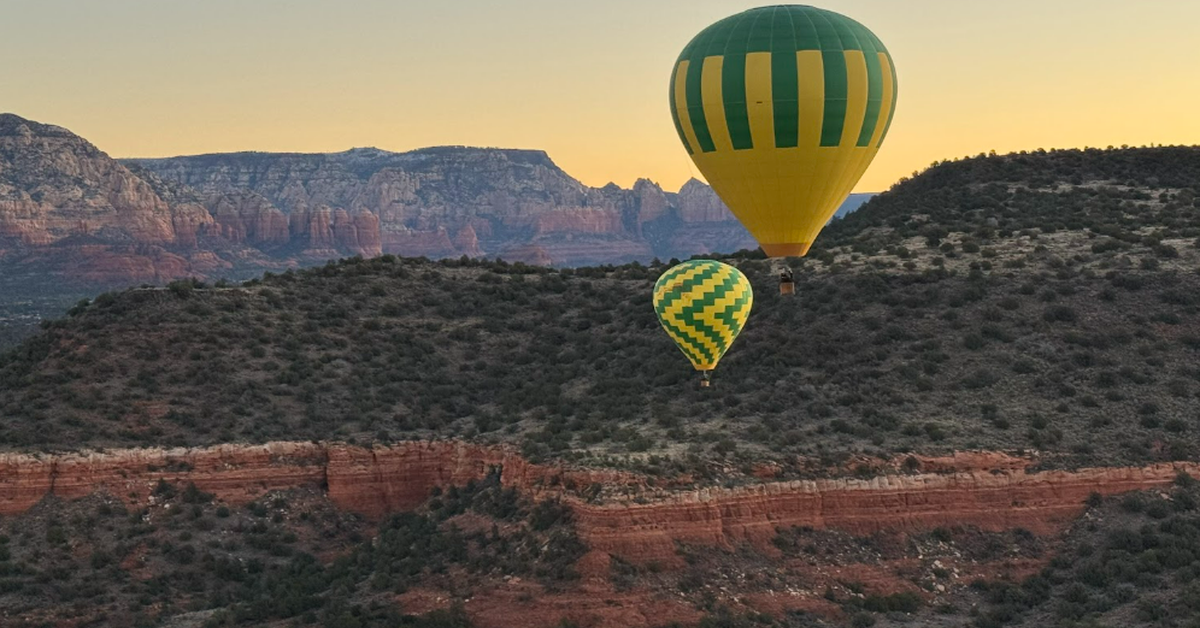
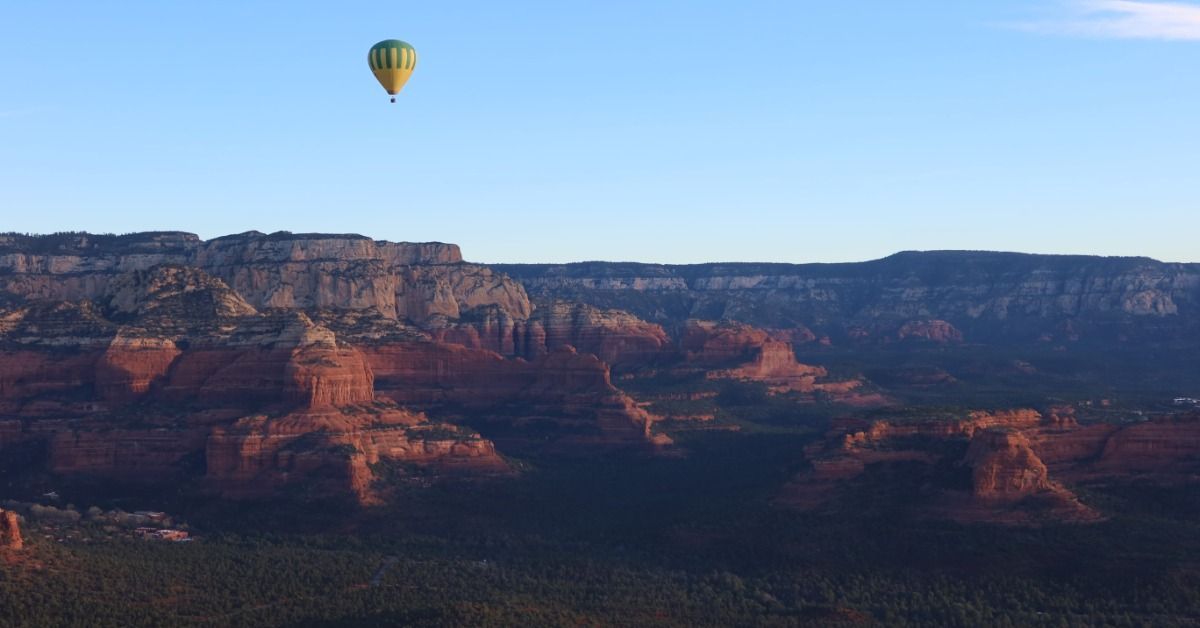
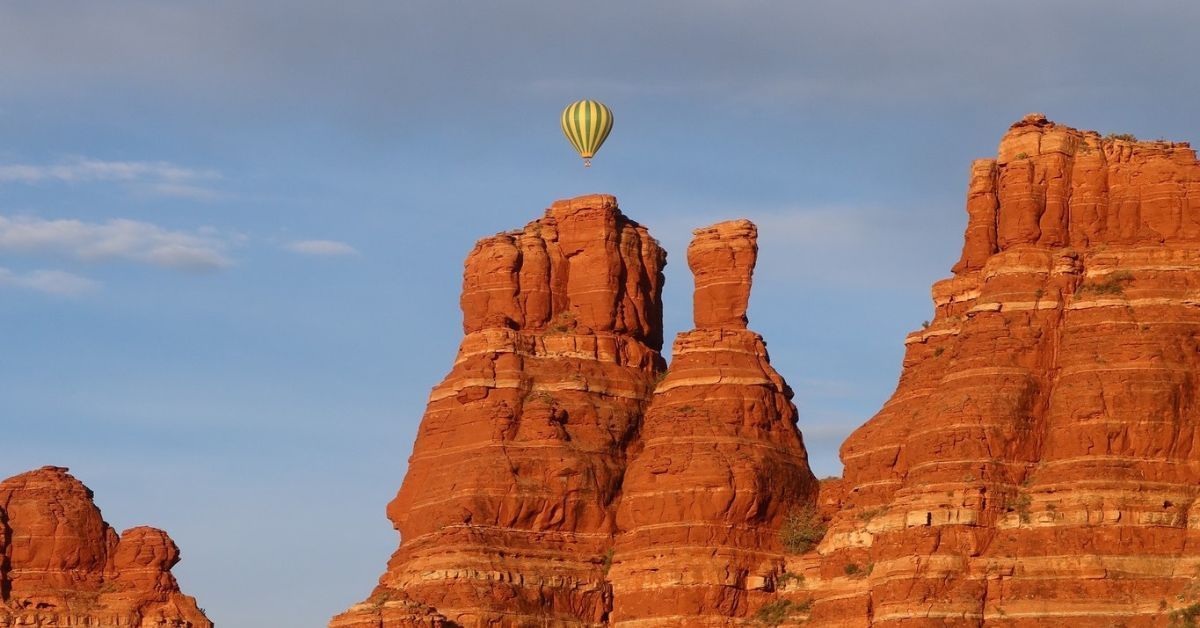
A huge part of the allure of Sedona hot air balloon rides is the breathtaking, panoramic view. You want to see landmarks such as Cathedral Rock and Bell Rock clearly from your unique vantage point. Additionally, the FAA forbids balloons from flying in IFR conditions (conditions with limited visibility requiring instruments to navigate). For this reason, we require good visibility.
We do not fly in fog, thick haze, or low clouds that could hide obstacles or spoil the magnificent vistas. Occasionally, forest fires or controlled burns will create a thin layer of smoke blanketing the landscape. This layer is both safe and easy to fly up and out of, allowing especially beautiful flights and air far cleaner than what is on the ground.
Precipitation/Weather
Hot air balloons can fly in the rain and snow, but we prefer not to for a couple of reasons. Rain and snow usually come with unstable wind conditions, or sometimes even lightning. All of these are dangerous for ballooning.
Additionally, rain and snow create mud, which can cause big problems for the chase crew on the ground. When the forest service roads we rely on get muddy enough, the Forest Service disallows anyone from driving on them.
From a cosmetic standpoint, balloonists really hate having their balloons get muddy. If a balloon is caught in a surprise, light drizzle, there is no need to worry. The balloon serves as a giant umbrella, keeping everyone dry while the heat of the balloon evaporates any water that lands on the fabric. However, for the safety of our passengers and the integrity of our equipment, Northern Light Balloon Expeditions will avoid flying in predicted rainy conditions.
Atmospheric Stability
Stable air is calm air. Throughout the day, the sun heats the ground, creating thermals (rising columns of warm air). This activity can lead to bumpy, unpredictable conditions. The air is most stable in the early morning after it has had all night to cool and settle, providing the smooth, serene ride that makes ballooning so special.
Why Sunrise Is the Best Time to Fly
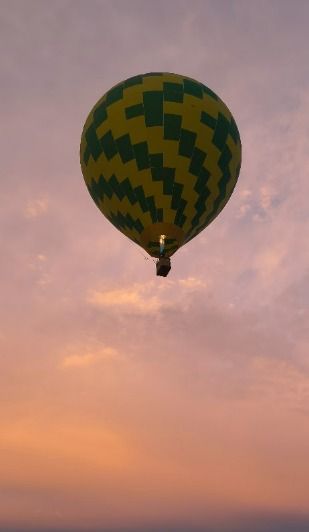
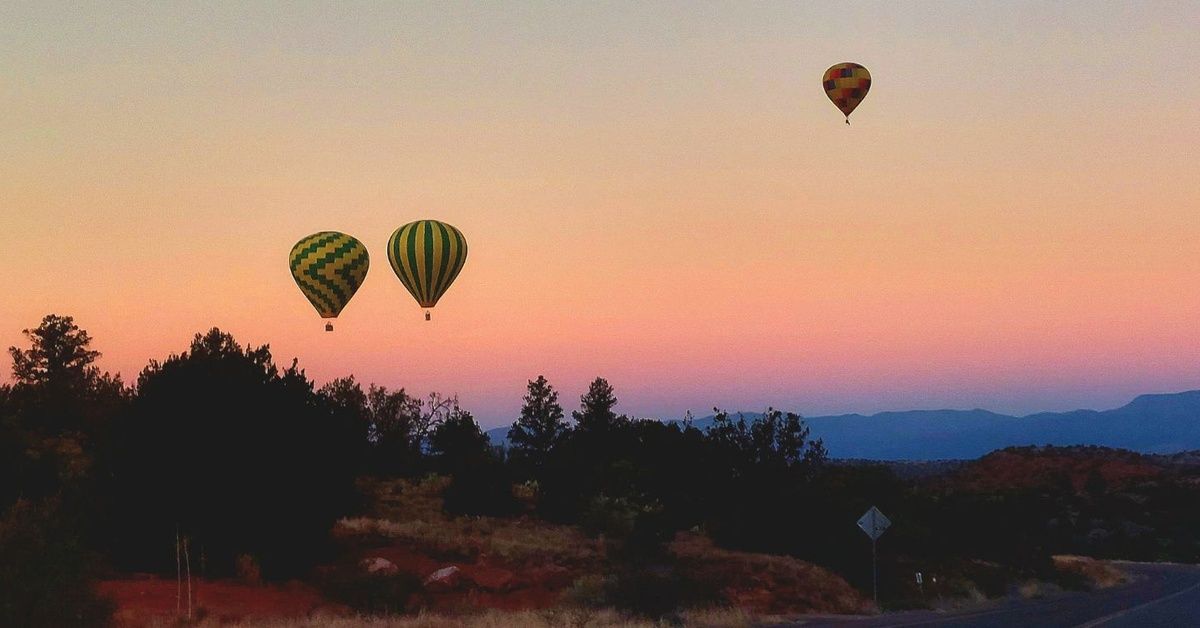
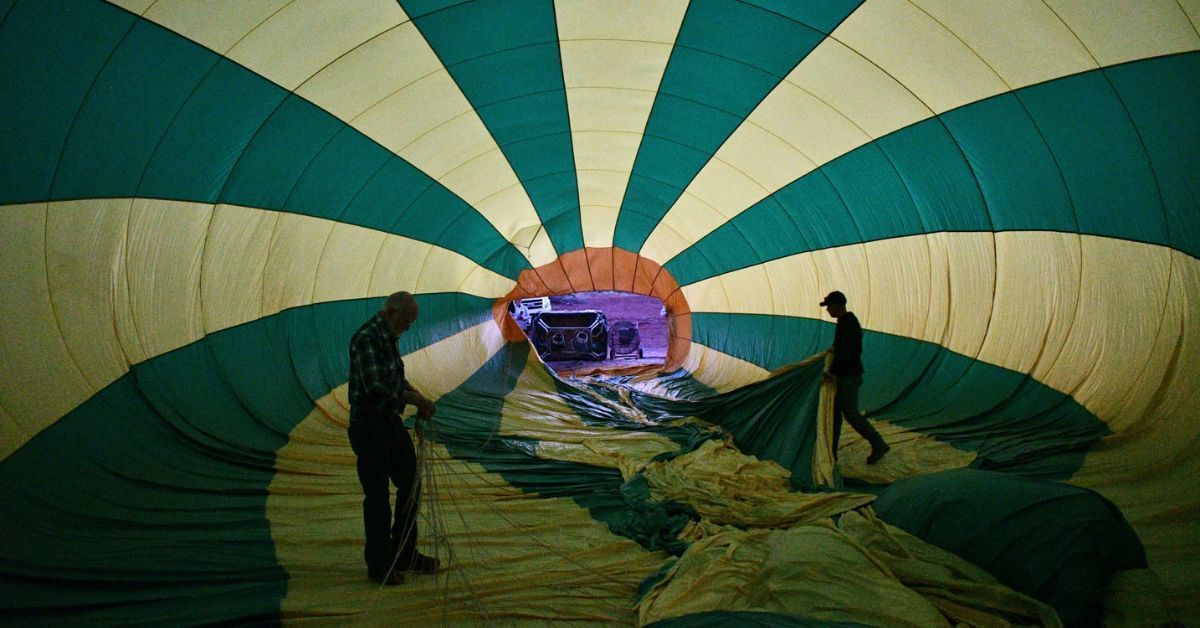
You may have noticed that balloon flights almost always happen just after dawn. This isn't just for the sunrise views, although they are spectacular! The hours around sunrise offer the calmest, most predictable weather patterns. Northern Light Balloon Expeditions exclusively flies at sunrise to take advantage of these optimal conditions, giving you the safest and most pleasant journey possible.
Please note: you will not find us launching our balloons long after sunrise. This is the only time you can fly with us.
Seasonal Considerations
Thanks to Arizona’s generally favorable climate, we can fly year-round in Sedona. Each season offers a unique perspective of the landscape.
Spring brings blooming desert flora and vibrant green colors to the high desert. Summer mornings are warm and bright, offering crystal-clear views before the afternoon heat sets in. Autumn paints the creek beds with golden cottonwoods, contrasting beautifully with the red rocks. Winter flights can be especially stunning, with crisp air, exceptional visibility, and occasionally, a light dusting of snow on the highest peaks.
No matter when you visit, Northern Light Balloon Expeditions is ready to fly whenever the weather permits.
Weather Factors That Can Cancel a Flight
Your safety is our number one priority, and while we know it can be disappointing, we will never fly in conditions that could put you at risk. Cancellations are an unavoidable part of ballooning, but they are always made with your well-being in mind. Our pilots make the final go/no-go decision on the launch site, but here are the key weather factors that will keep us on the ground:
- Thunderstorms or Lightning: We will not fly with thunderstorms anywhere in the vicinity. Storms can produce unpredictable, high-velocity outflow winds that can travel for miles, creating dangerous conditions even if the storm itself is far away.
- Extreme Temperatures: While we fly year-round, extreme heat can affect the balloon's performance, making it less efficient and requiring more fuel. Our pilots will assess all temperature factors to ensure a safe flight.
- Poor Wind Direction: Sometimes the wind speed is perfect, but the wind direction is not. If there is any question about the prevailing wind directions, we will release a small, biodegradable, stringless helium balloon (a pilot balloon, or pi ball) at the launch site and watch how it moves as it climbs through the wind layers. If the helium balloon continuously only moves in an unsuitable direction, we will cancel the flight. Wind directions we don’t like are those that would push our balloons into wilderness areas, where the terrain is dangerous, and there are no roads, and thus, no easy way to retrieve either people or aircraft. We also do our best to avoid landing inside the City of Sedona limits. While it used to be common practice to launch and land within city limits, the city has grown so much, there are now many new residents who do not understand or like balloons.
How Balloon Companies Monitor Weather
At Northern Light Balloon Expeditions, our pre-flight preparation begins long before you arrive. Our pilots are like seasoned meteorologists in their own right, with a deep understanding of Sedona’s unique microclimates.
We start by analyzing a wide range of forecasting systems, including terminal aerodrome forecasts (TAFs) and routine aviation weather reports (METARs) from nearby airports. We review weather radar to track precipitation and to check for predicted wind speed and directions at different altitudes.
On the morning of the flight, we obtain direct readings of real-time wind speed and direction at different altitudes. This comprehensive approach provides a complete picture of atmospheric conditions, enabling us to make informed, safety-focused decisions.
When conditions are right, the experience is pure magic. Trusting our expert pilots to make the right call is the first step toward your unforgettable adventure above the red rocks. We look forward to sharing a beautiful morning with you when the weather is perfect for hot air balloon rides.