Blog

Discover seven unforgettable places to watch the sunrise over Sedona, from scenic overlooks and red rocks to a peaceful hot-air balloon ride nearby.
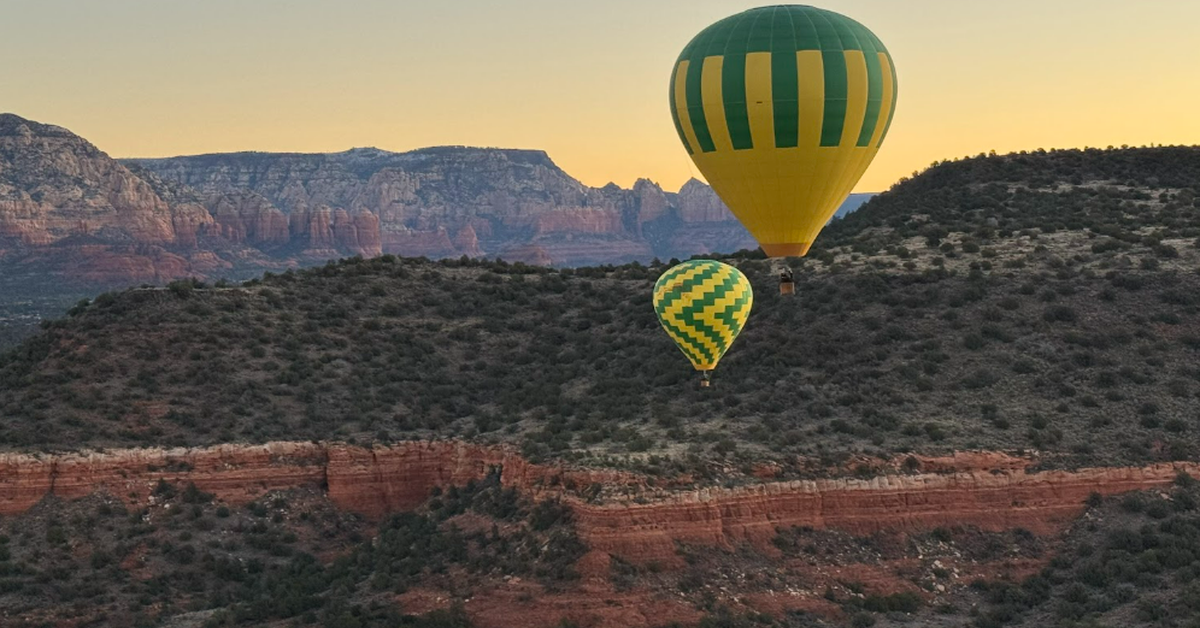
Find the best time to visit Sedona for ideal weather, outdoor adventures, and unforgettable red-rock views throughout every season of the year in AZ.

Plan an October visit to Sedona with weather tips, packing advice, hiking ideas, cool evenings, and unforgettable views across the red rocks and more.
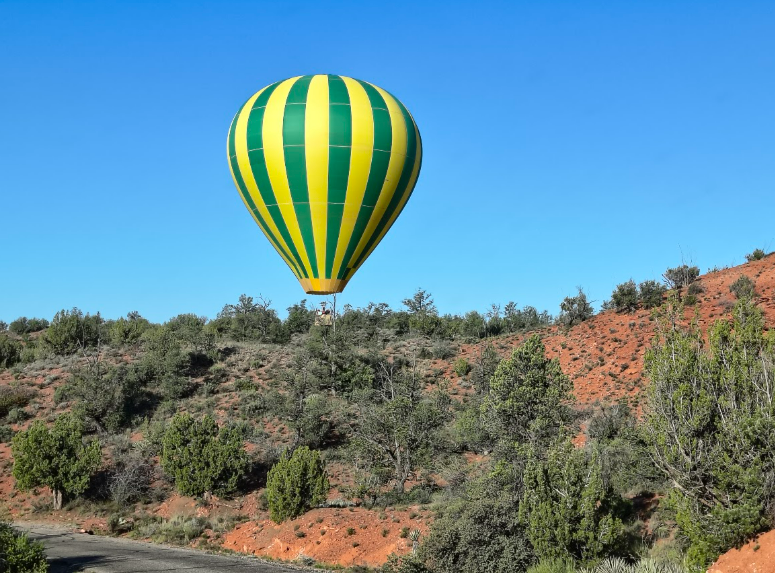
Discover six Arizona destinations for memorable hot air balloon flights, from Sedona red rocks and Sonoran Desert views to the Colorado River.
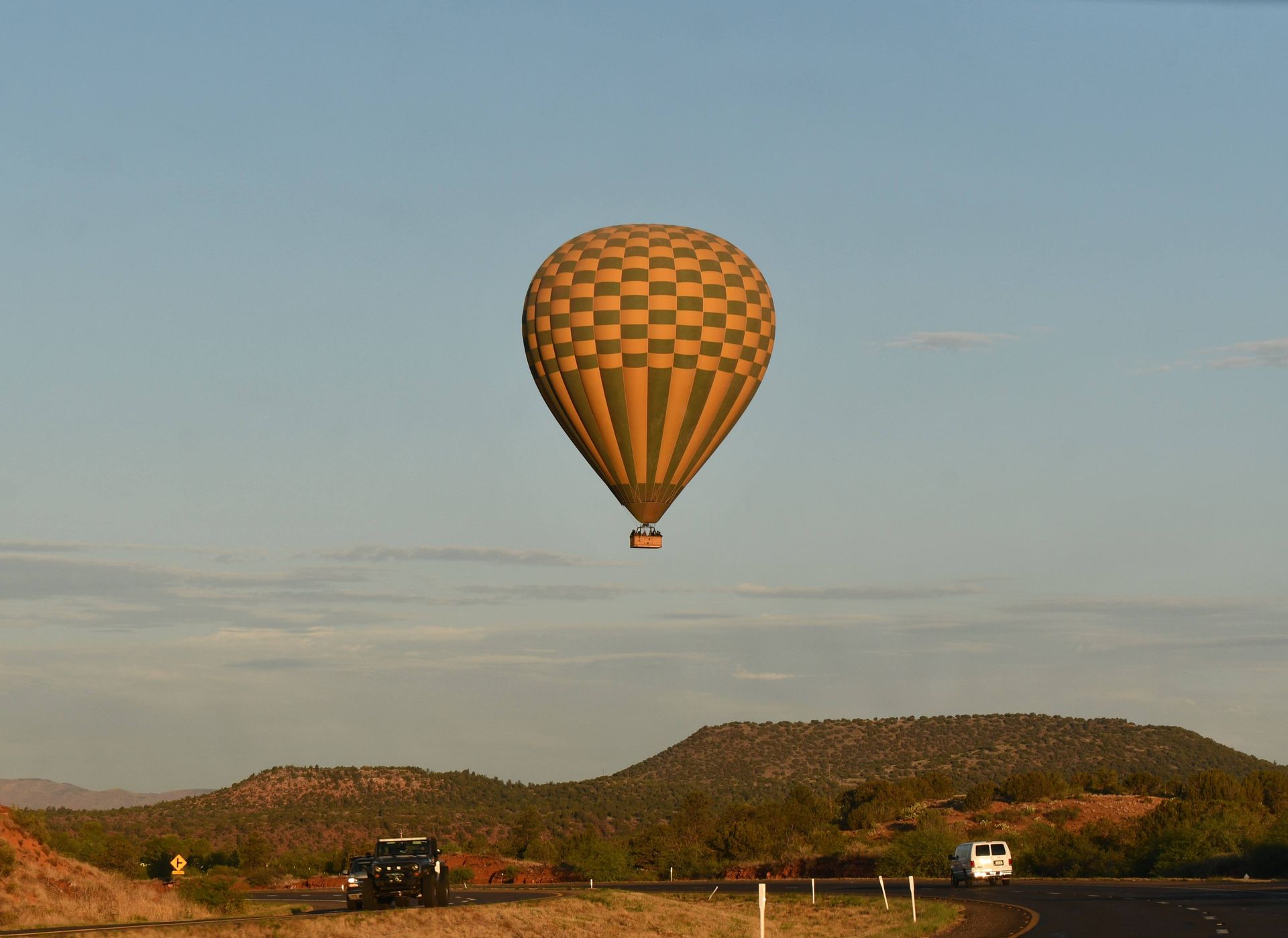
The right aerial experience depends on what you value when comparing hot air balloons and helicopter tours. One option may stand out quickly.
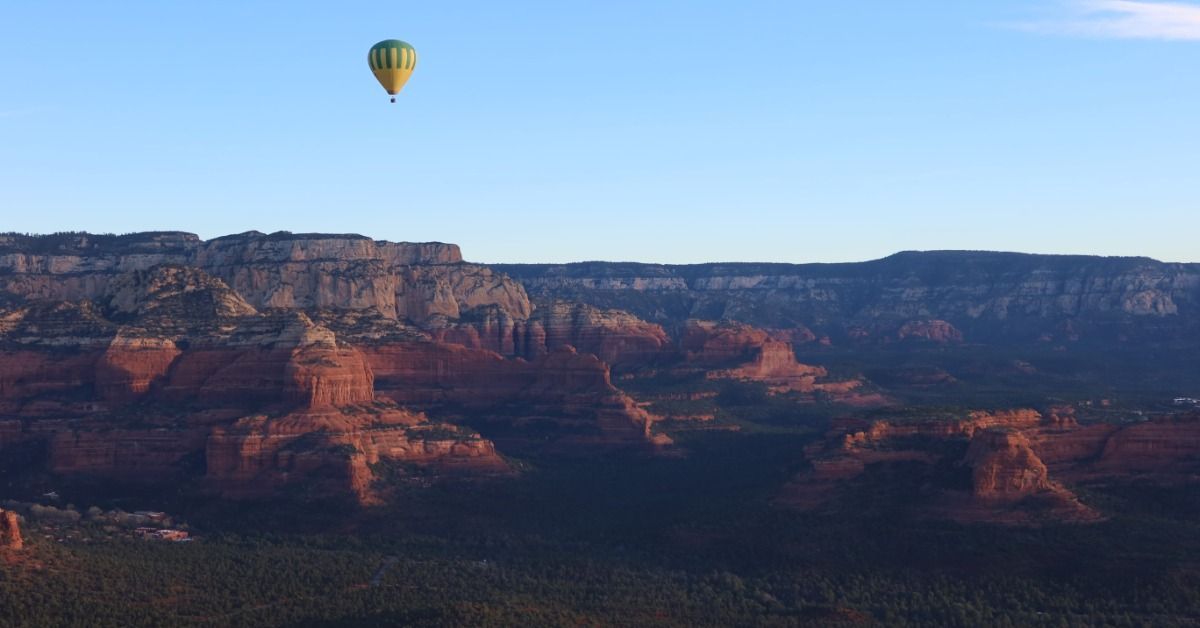
Your perfect red rock getaway begins with knowing the best times of year to travel to Sedona. Each season changes the way the desert feels here.
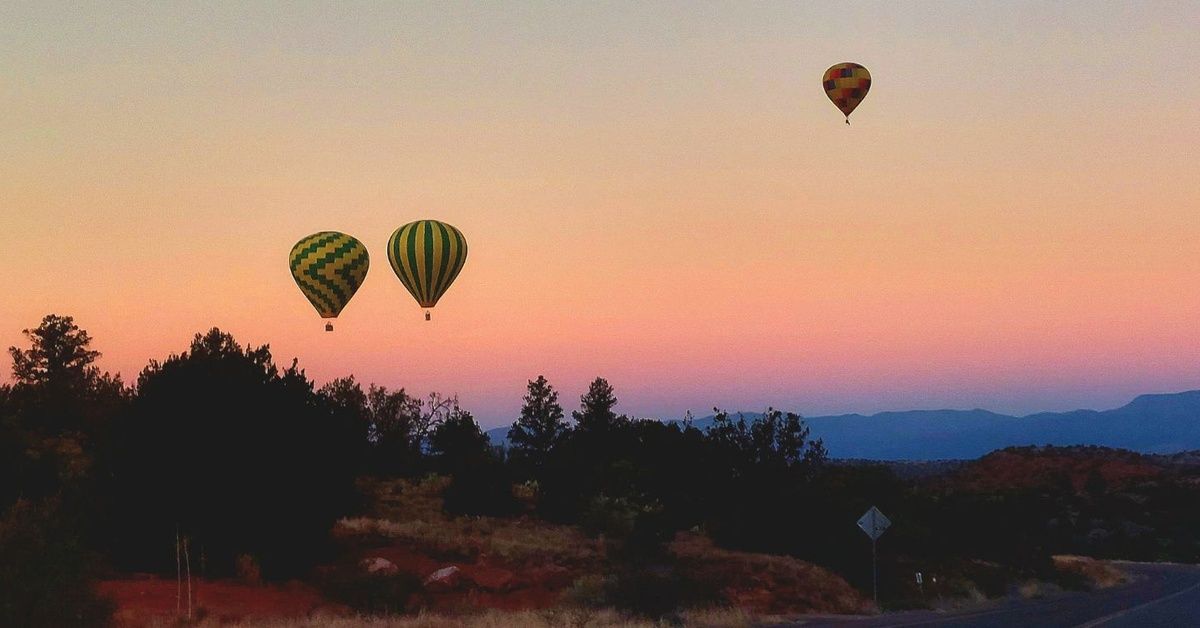
See why travelers put the most beautiful hot air balloon rides across the USA on their bucket lists. Some views are worth an early wake-up call.

Build an easy red rock itinerary around the top things to explore in Sedona without hiking. Sedona still leaves room for wonder without the trails.
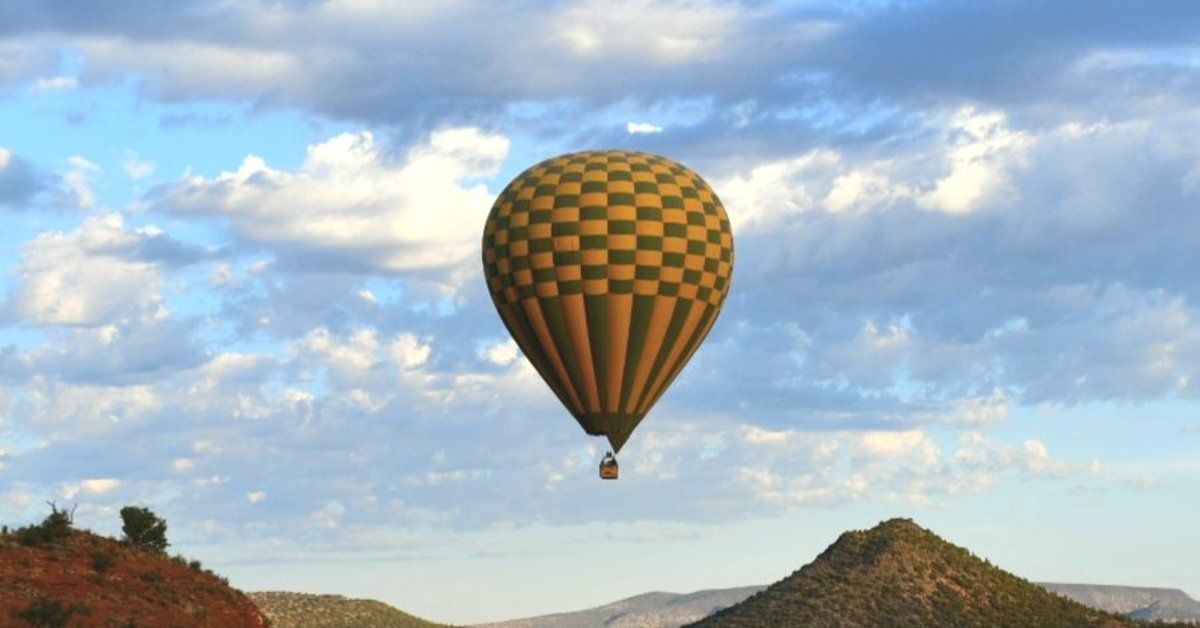
Before the basket rises, how high can a hot air balloon fly? If this is on your mind, the answer may change how you picture the ride from above.
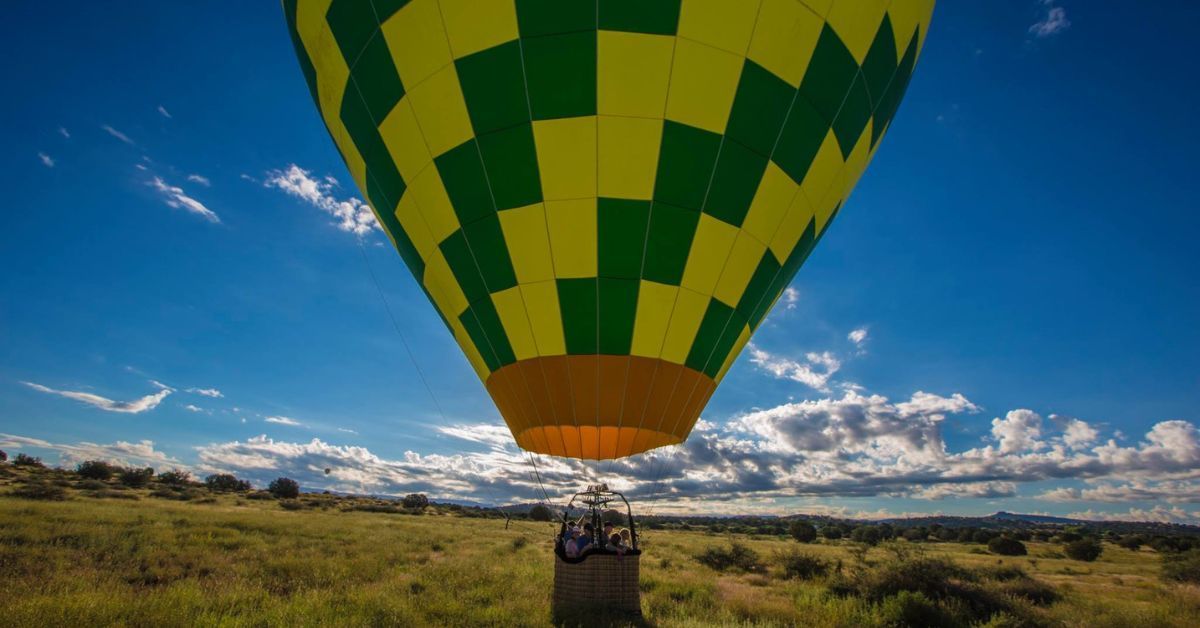
Bring your small celebration to life with unique Sedona micro wedding ideas couples will love, including sky-high vows and meaningful touches. Read more.