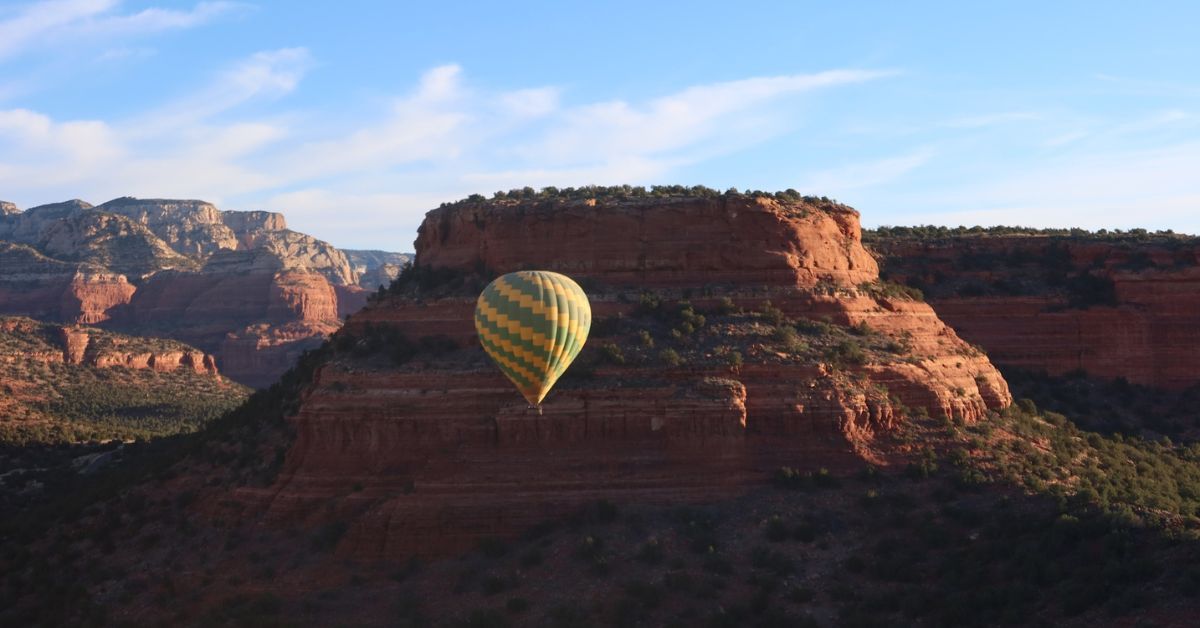
The Science and Skill Behind Steering a Hot Air Balloon
Many people assume a hot air balloon simply drifts wherever the wind decides to take it. In reality, the science and skill behind steering a hot air balloon is far more intentional than it appears from the ground. What seems effortless during flight is shaped by how a pilot works with the conditions in the air. Understanding that process gives passengers a clearer sense of what is happening behind the scenes from launch to landing.
How Hot Air Balloons Actually Move Through the Sky
A hot air balloon does not move through the sky the way most people expect. Unlike an airplane or helicopter, it cannot be pointed in a chosen direction and pushed forward on command. The balloon travels with the surrounding air, so its movement is guided by the atmosphere rather than by a traditional steering system. Understanding that difference is the first step in seeing why balloon flight depends so heavily on pilot knowledge and control in other forms.
Essential Equipment Pilots Use To Navigate
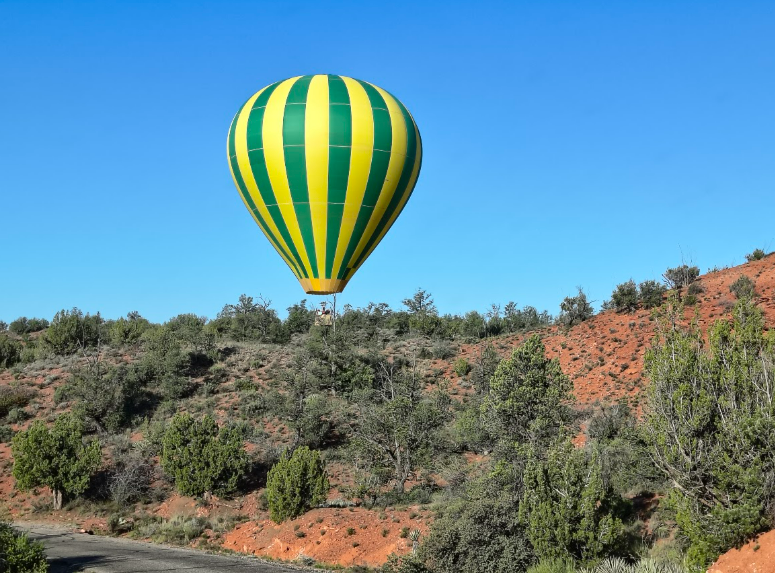
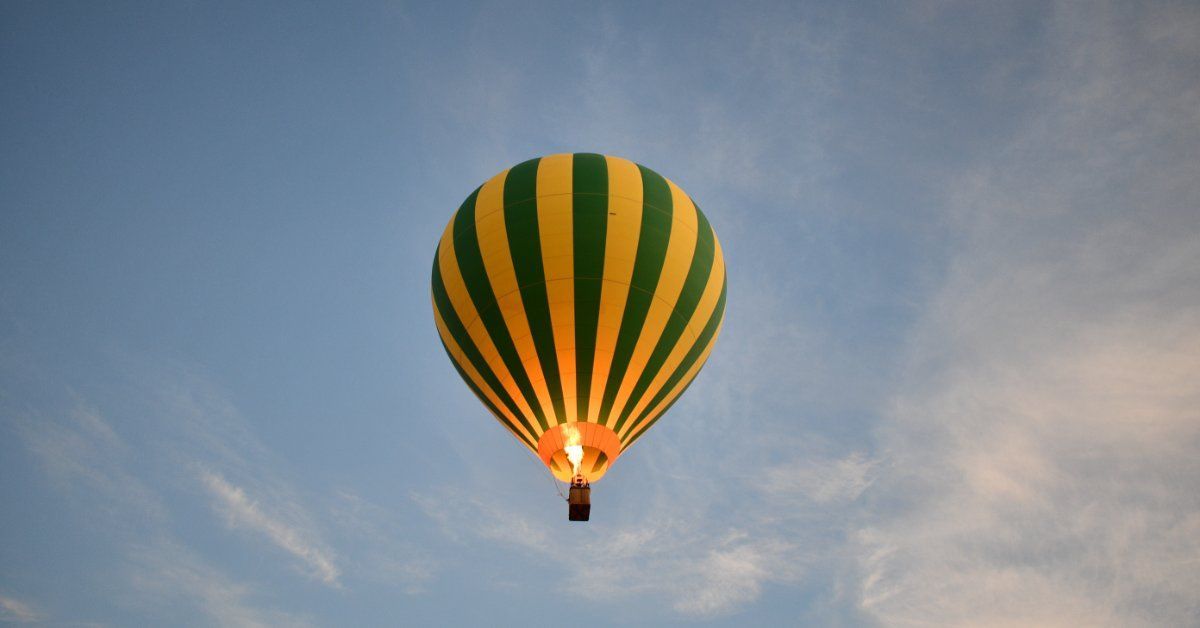
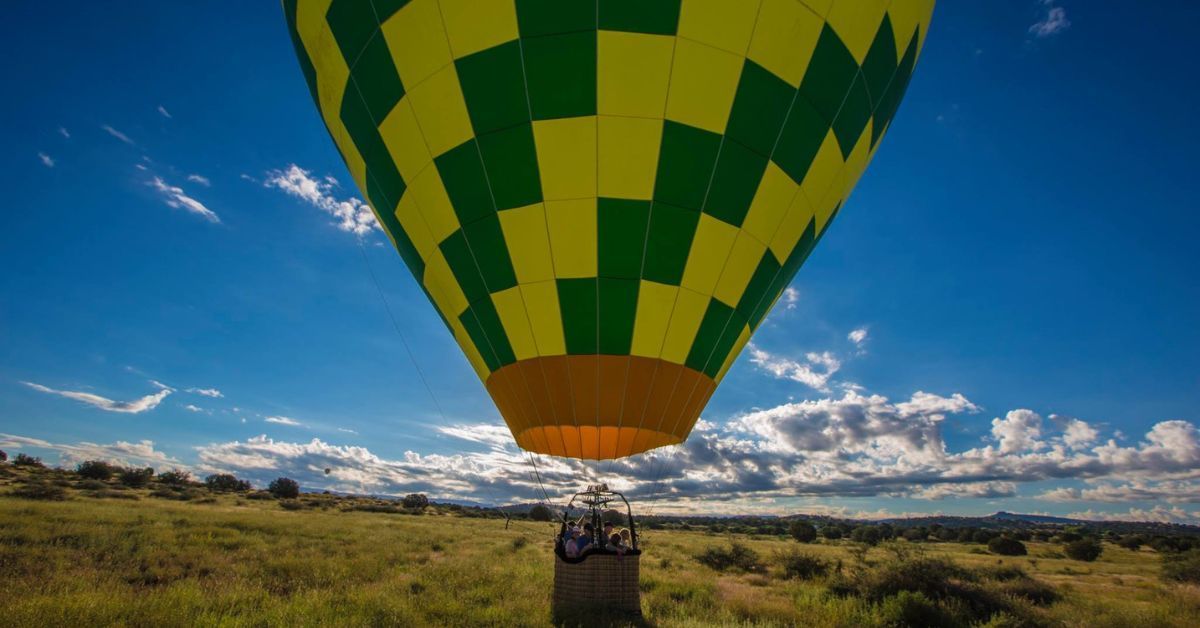
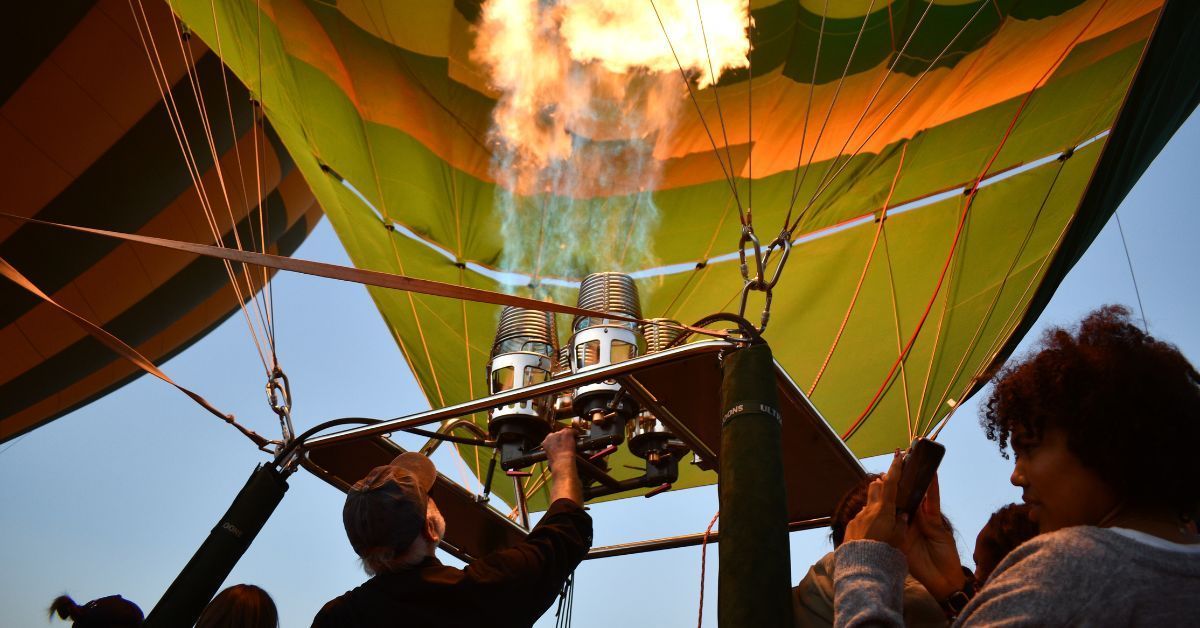
After understanding that a hot air balloon moves with the air around it, it helps to know the equipment a pilot depends on throughout the flight. The envelope is the large fabric portion of the balloon that holds the heated air, while the burners generate the heat needed to keep the balloon airborne. Propane tanks supply the fuel for that system, making them a critical part of every flight.
Other equipment supports the balloon before takeoff and as conditions are assessed on the ground. A parachute valve at the top of the balloon releases hot air as needed, and a fan helps inflate the balloon before launch. Pilots also use weather instruments and visual tools to evaluate conditions before leaving the ground.
The Science of Lift and Altitude Control
The basic flight principle is simple: warmer air rises in cooler surrounding air. Inside the envelope, burners heat the air so it becomes less dense than the outside air, creating lift. When a pilot wants the balloon to climb, more heat goes into the envelope. When the goal is to descend, the pilot reduces heat or releases warm air through the top valve so the balloon can settle lower.
Even though the science is straightforward, managing altitude is a constant balancing act because temperature and outside conditions all affect how the balloon responds. Large envelopes are necessary because each cubic foot of heated air lifts only a small amount of weight.
Using Wind Layers as a Steering Mechanism
Since a balloon travels with the wind, pilots look for a level where the air is moving in a more useful direction. Winds can change at different altitudes, so moving higher or lower allows the pilot to find a current that carries the balloon in a different direction. A pilot may climb to catch a current that tracks toward an open landing area, or descend to slow the pace and fine-tune the route.
Small altitude changes can matter. Conditions near the surface may feel calm while stronger winds wait higher up, which is why pilots study winds aloft before launch and continue testing the air during the flight. Steering, in practical terms, means knowing which layer offers the safest and smartest next move.
Pilot Skill: Real-Time Decision-Making in the Air
Balloon pilots make decisions steadily rather than dramatically. They monitor the balloon’s climb rate, watch how the landscape is moving below, and compare what they expected from the forecast with what the air is actually doing. A route that looked ideal before takeoff may need adjustment once the balloon reaches a new layer of wind.
Meanwhile, the pilot is also considering fuel consumption, distance to suitable landing areas, ground obstacles, and how changing conditions could affect the end of the flight. That is one reason experienced operators matter so much. Northern Light Balloon Expeditions highlights its long safety record and decades of flying experience in Arizona, which speaks directly to the kind of judgment balloon navigation requires.
What Steering Feels Like for Passengers
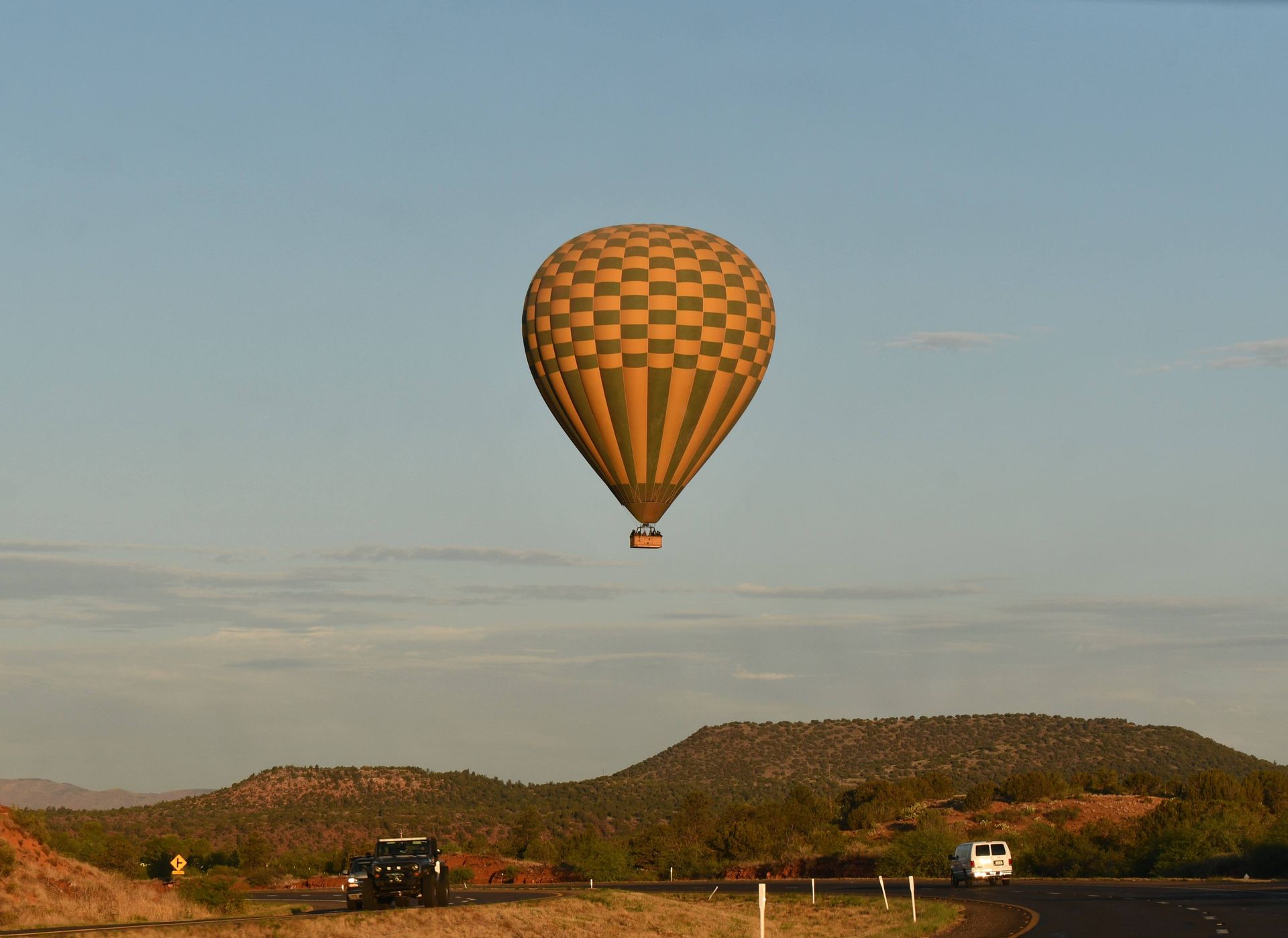
From the basket, steering rarely feels like a sharp turn. Most passengers notice gradual changes instead. The balloon may drift into a quieter current or begin moving across the landscape at a slightly different angle. Because of how the balloon works in the sky, there is less sensation of speed than people expect.
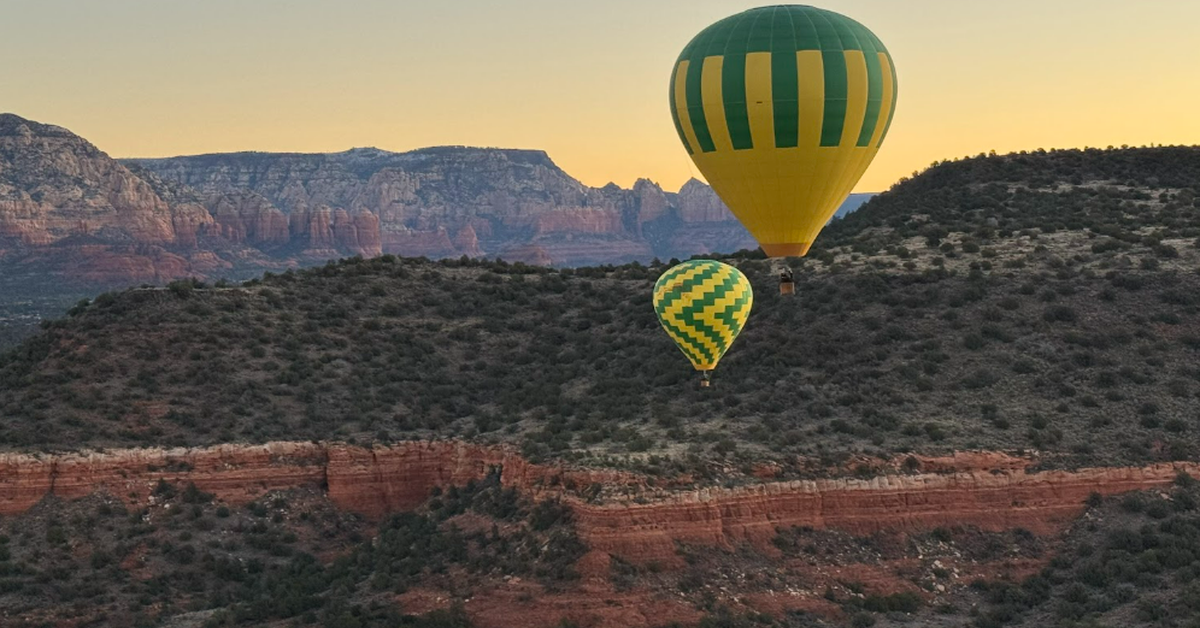
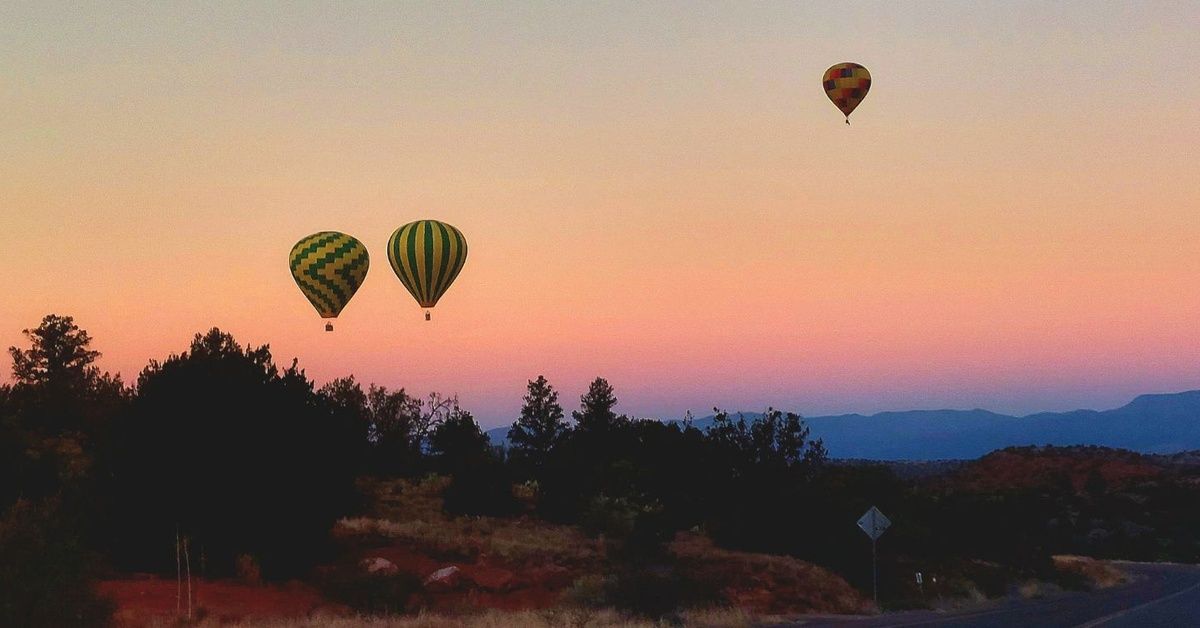
That calm feeling can surprise first-time guests. During a sunrise flight with hot air balloons in Sedona, the experience feels smooth and unhurried even as the pilot makes precise adjustments overhead. For anyone who wants adventure without a physically demanding activity, that combination of serenity and expertise is part of the appeal Northern Light Balloon Expeditions offers.
Safety Measures That Guide Every Steering Decision
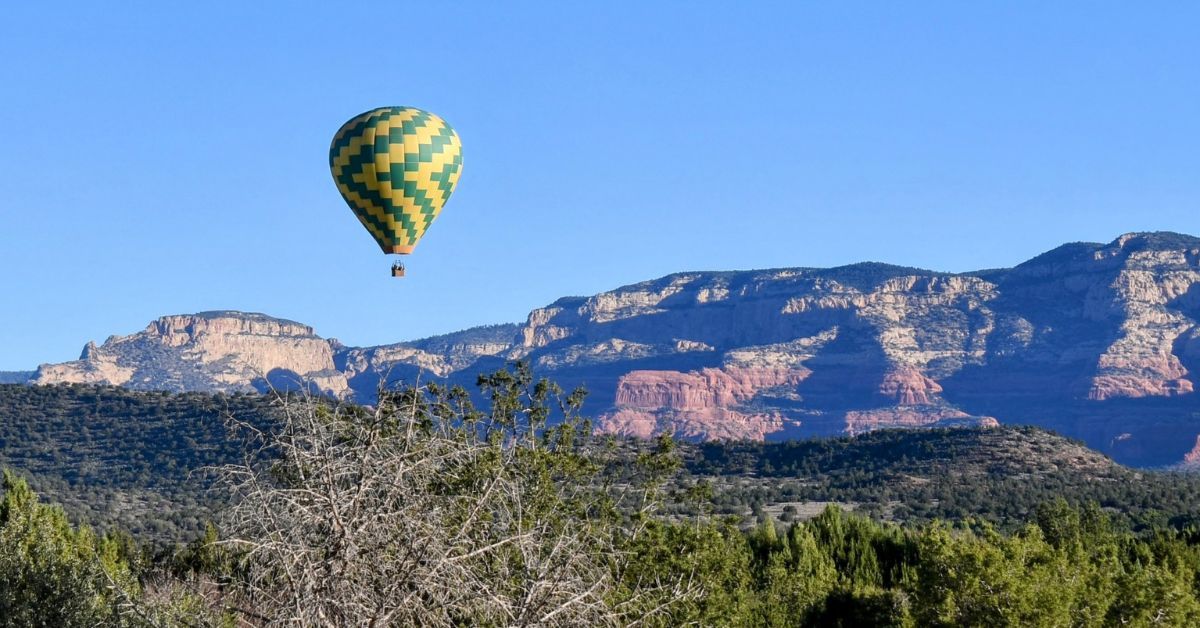
Good steering starts long before takeoff. Pilots check wind speed, visibility, stability, and the chance of hazards such as gusts, wind shear, thermals, storms, or precipitation. Ballooning works best in light, stable winds, which is one reason flights are commonly scheduled just after sunrise, when conditions are calmer and more predictable.
Safety considerations continue in the air as well. A pilot may reject a tempting route if it leads toward rough terrain or a poor landing setup. Landing itself demands planning because balloons do not brake like wheeled aircraft.
Why Steering a Hot Air Balloon Requires Mastery
Steering a hot air balloon is different from steering almost any other kind of aircraft. The pilot is not turning a wheel to force a direction, but working with natural conditions that are always changing. That requires a level of control rooted in knowledge and precision rather than direct mechanical power.
This is what makes balloon flight so remarkable. A successful flight depends on understanding how the balloon responds and how each adjustment influences the overall path. Mastery comes from knowing how to guide the experience with intention, even when the balloon itself is designed to move with the wind.
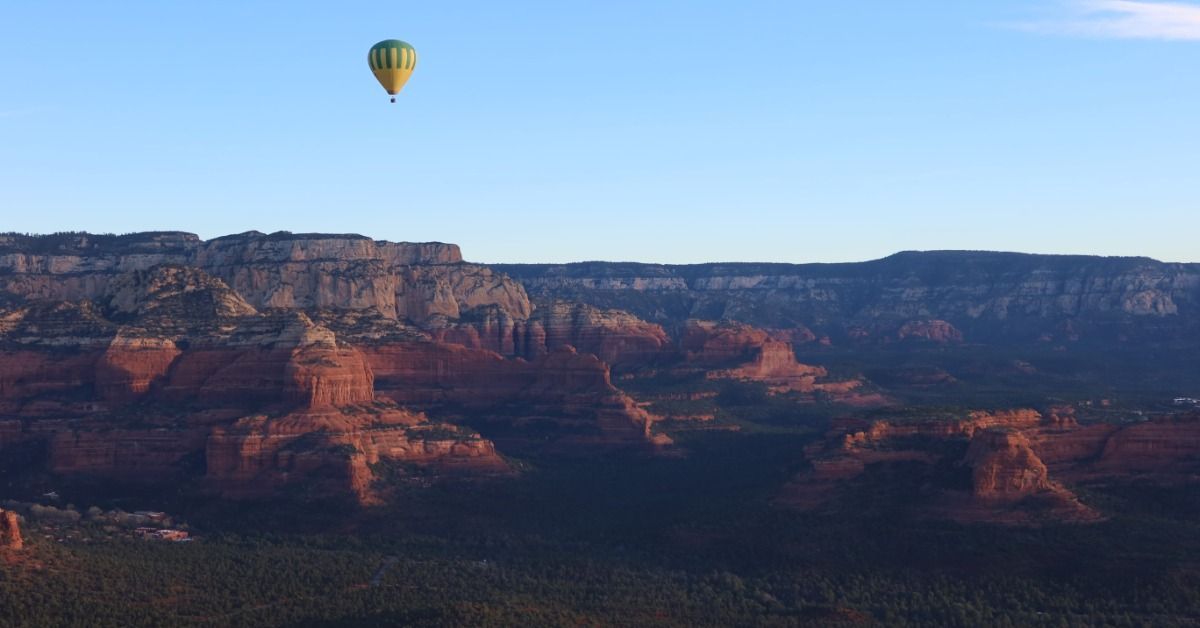
What feels effortless in the basket is anything but accidental. The science and skill behind steering a hot air balloon turn a quiet ride above Sedona into something truly remarkable. When that expertise is paired with a landscape this unforgettable, the experience stays with people long after their feet are back on the ground. Book a flight with Northern Light Balloon Expeditions and see firsthand how extraordinary a sunrise in Sedona can feel from above.