Planning a Sedona Escape? Here’s the Best Time To Visit
Sedona can feel like a completely different destination from one season to the next. Warm sunlight changes the color of the red rocks, while the cooler months bring crisp mornings. Seasonal weather can shape everything from trail plans to sightseeing schedules. Choosing when to visit depends on the kind of trip you want and how you prefer to spend your days.
Some travelers want long hours outdoors in mild temperatures, while others care more about quieter streets or dramatic scenery. This city offers compelling reasons to visit year-round, so the best time depends on your priorities. Continue reading to discover the best time to plan a Sedona escape.
Start With Your Travel Style
Spring and fall usually attract travelers seeking comfortable conditions for outdoor activities. Mild daytime temperatures make hiking and open-air tours more enjoyable without the need to plan around intense midday heat. These seasons also work well for visitors who want to pack several outdoor experiences into one trip.
Popularity comes with a trade-off. Pleasant weather can draw more visitors to trails and scenic areas. Restaurants and lodging may feel busier, too. Travelers who value flexibility may prefer summer or winter, especially if they can adjust their daily schedule to the weather.
Before choosing dates, consider how much time you expect to spend outdoors. A traveler who plans to hike for hours may prefer different conditions than someone who wants a relaxed weekend of sightseeing and dining.
Visit in Spring for Mild Adventures
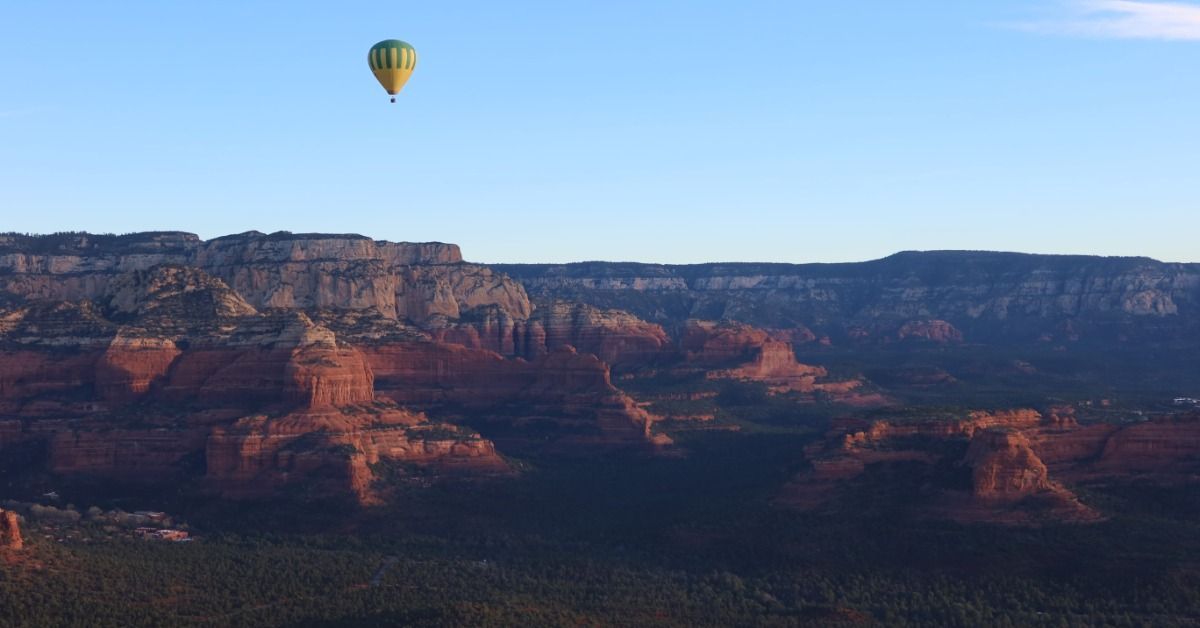
Spring brings warmer days back to Red Rock Country after the cooler winter months. The months from March through May often appeal to travelers who want to explore outdoors without the strongest summer heat. The season also creates an inviting setting for early mornings and long afternoons around town.
Hikers often appreciate spring because the weather supports a full day on the trail. Scenic drives also feel especially appealing when comfortable temperatures make it easy to stop at overlooks and explore viewpoints along the way.
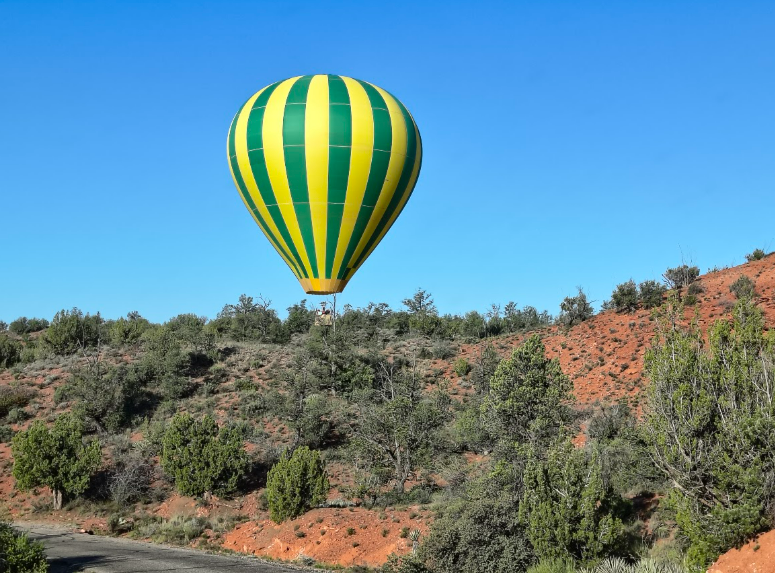
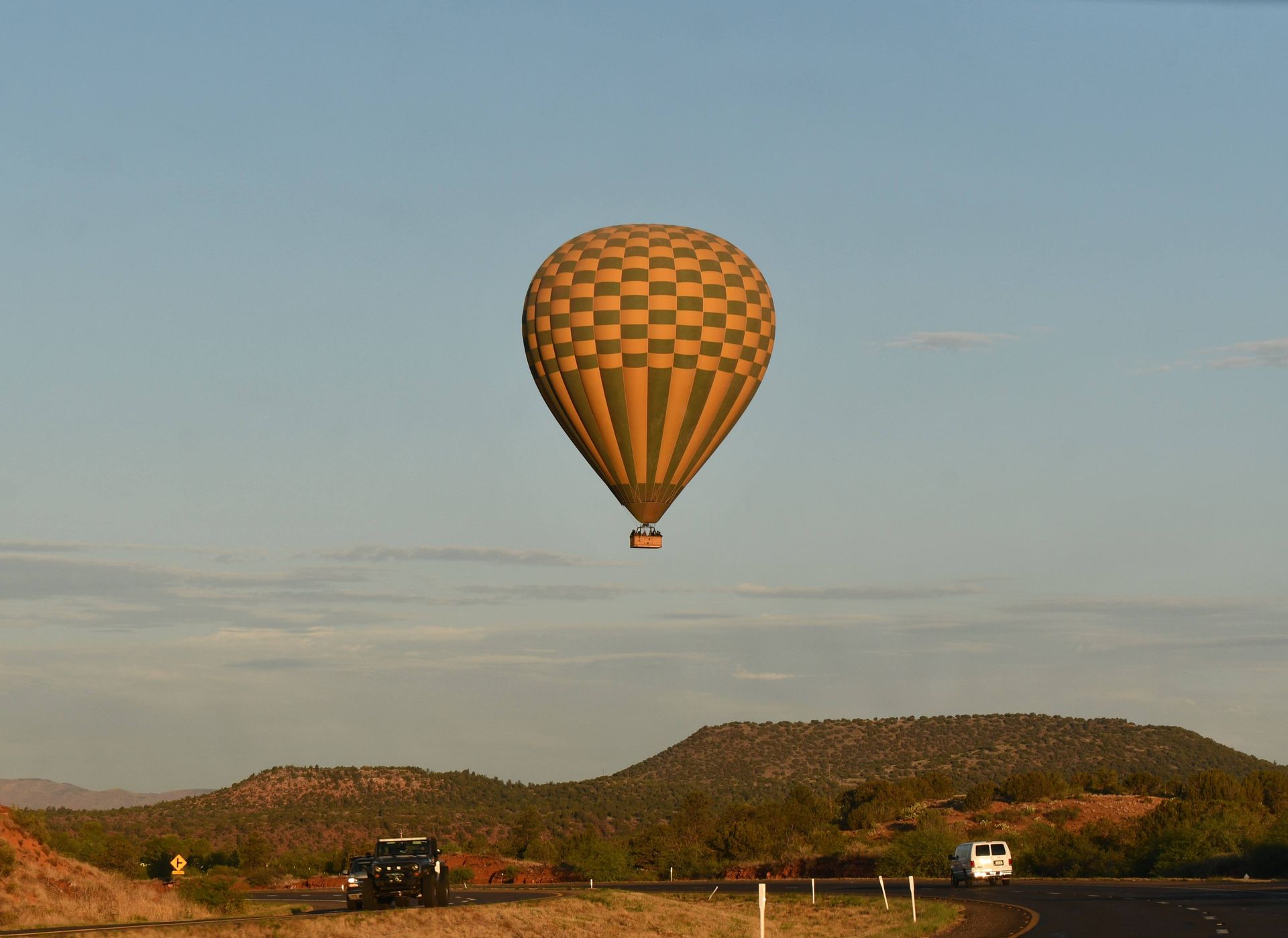
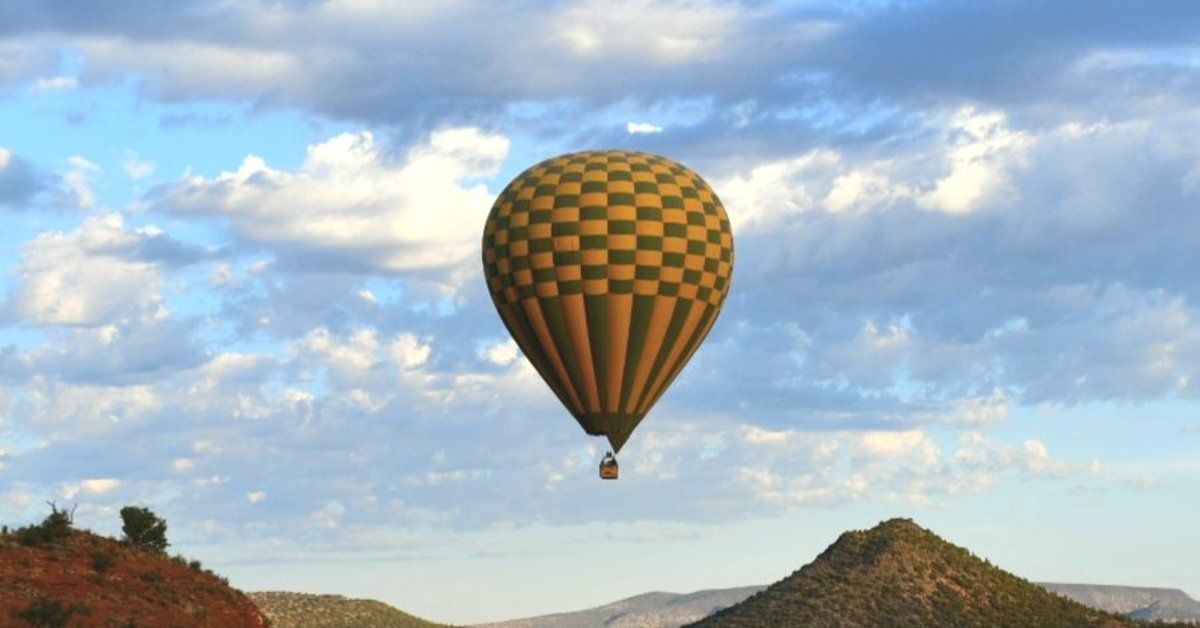
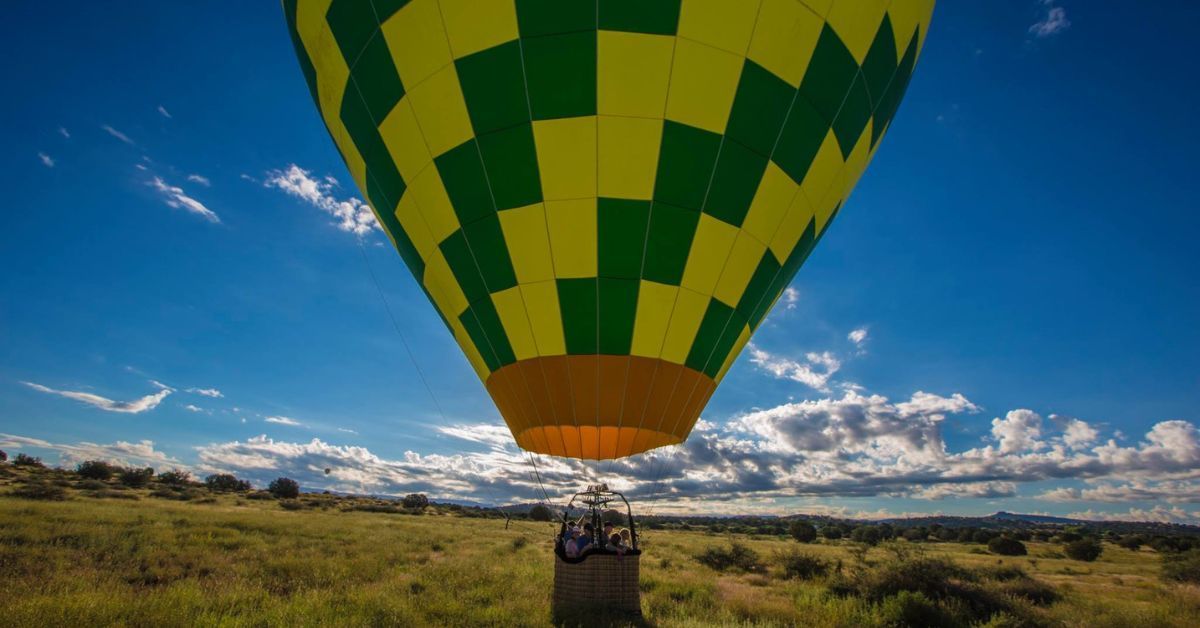
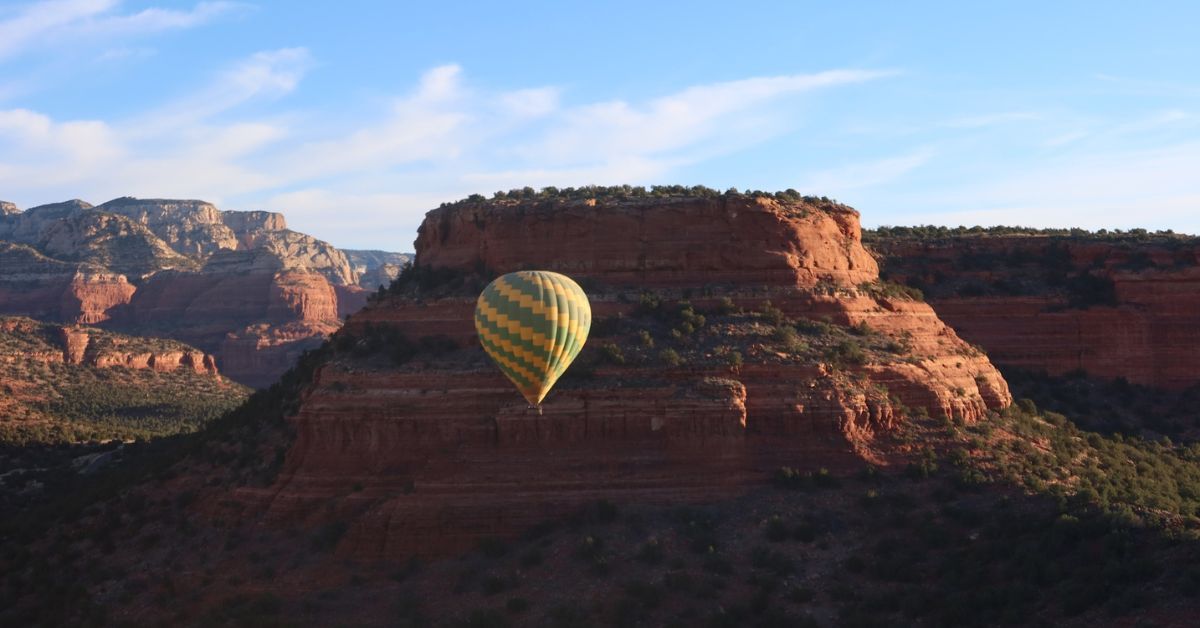
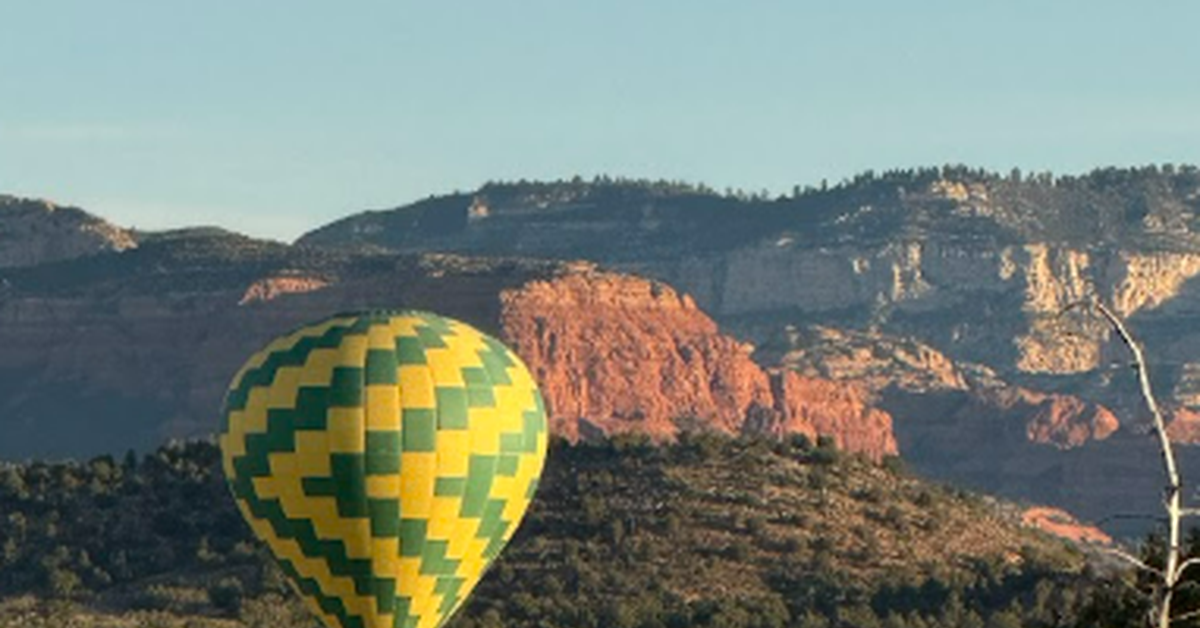
Spring is also ideal for travelers seeking hot air balloon rides in Sedona. Balloon flights depend on weather conditions, so operators make flight decisions with safety and local conditions in mind. A sunrise flight offers a memorable way to see the landscape before the day gets busier.
Because spring attracts many visitors, make key reservations early. Lodging and popular activities can fill quickly during busy travel periods, especially around weekends and holidays.
Choose Summer for Early Starts
Summer brings a different rhythm to Sedona. As days grow hotter, visitors often shift outdoor plans to the morning. Early starts can make hikes and sightseeing more comfortable while leaving the warmest part of the day for indoor activities or a slower pace.
Afternoon monsoon weather can also affect plans during the summer. Storms may develop quickly, so a flexible itinerary is useful. Check the forecast before heading onto exposed trails, and leave room to adjust plans when conditions turn unsettled.
Travelers who don’t mind adjusting their schedule may find summer appealing. A thoughtful daily plan can create plenty of room for adventure without squeezing every activity into the hottest hours.
Pick Fall for Comfortable Days
Fall ranks among Sedona’s most appealing seasons for outdoor travel. September can still feel warm, while October and November gradually bring cooler weather. This shift often creates comfortable days for hiking and scenic exploration.
Autumn also changes the landscape around Oak Creek. Trees in and near the canyon develop seasonal color, which adds another layer to the area’s red-rock scenery. Timing varies with weather, so visitors shouldn’t plan a trip around an exact color date.
Cooler evenings become more common as the season moves forward. Pack layers that can handle a chilly start followed by a warmer afternoon. A light jacket can make sunrise outings much more comfortable.
Consider Winter for a Quieter Feel
Winter gives Sedona a calmer atmosphere. Cooler daytime temperatures can feel refreshing on the trails, and fewer visitors during certain periods may create a more relaxed experience around town. Travelers who enjoy quiet mornings may find plenty to enjoy from December through February.
Snow occasionally reaches Sedona, adding a striking contrast to the red rocks. Winter weather can also affect road or trail conditions, so check local forecasts before heading out for the day.
Cold mornings call for warmer layers, especially if you plan to spend time outdoors near sunrise. Temperatures may rise noticeably after sunrise, so clothing you can adjust throughout the day works well.
Plan Around Sunrise
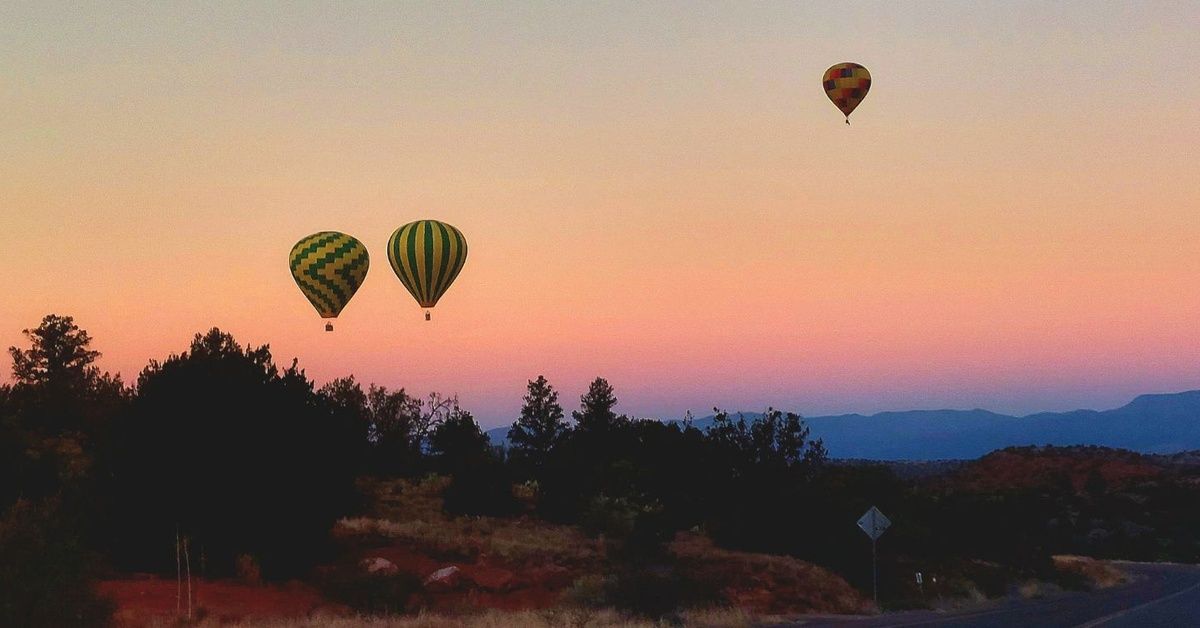
Sedona rewards travelers who get moving early in almost every season. Sunrise can bring cooler temperatures in the warmer months and softer light across the landscape. The early hours may also feel peaceful before many daytime activities begin.
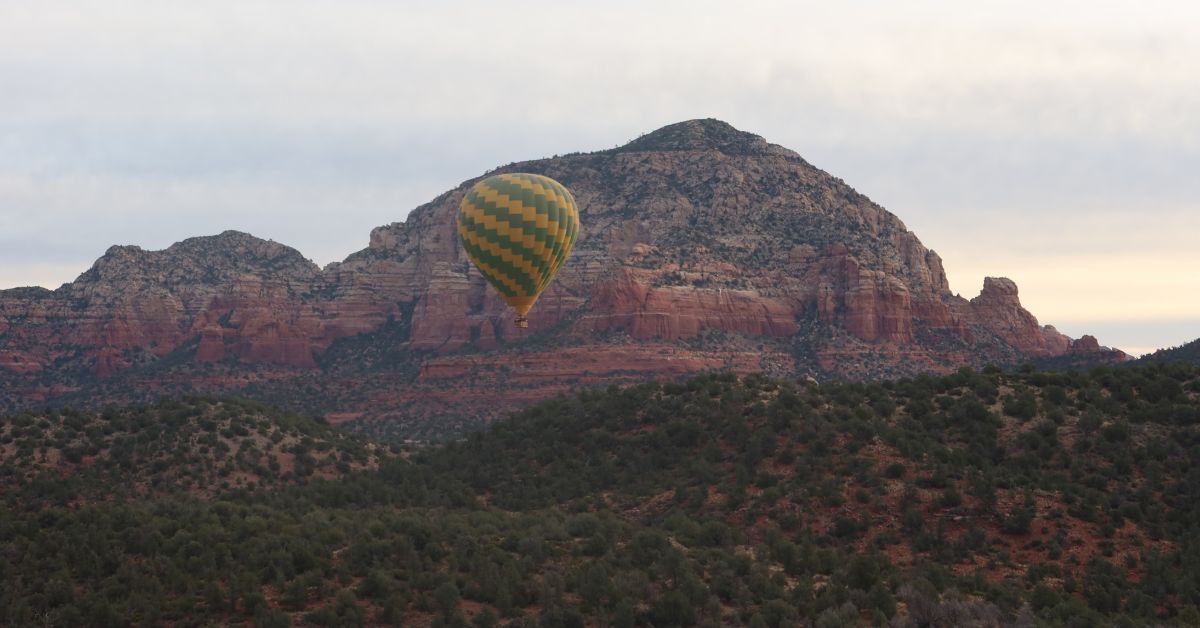
Northern Light Balloon Expeditions offers sunrise flights year-round so travelers can work a balloon experience into spring, summer, fall, or winter plans. Weather still determines whether a flight can proceed on a particular morning, which makes flexibility helpful when building your itinerary.

Pack for Temperature Changes
Sedona’s elevation can cause noticeable shifts between morning and afternoon. A day that feels chilly at breakfast may feel much warmer by midday. Layering gives you an easy way to stay comfortable as conditions change.
Footwear also deserves attention if you plan to hike or spend time on uneven terrain. Choose shoes that match the activities on your itinerary and break them in before your trip. Comfort can make a long day outdoors far more enjoyable.
Sun protection remains important year-round because Sedona offers many outdoor experiences. Bring water as well, especially when your plans include longer walks or trails.
Match the Season to Your Priorities
No single month works best for every Sedona traveler. Spring and fall often suit visitors who prioritize comfortable outdoor weather, while summer rewards early risers who can work around afternoon heat and storms. Winter can appeal to travelers who prefer cooler days and a quieter atmosphere.
Your ideal season should support the experiences you care about most. Think about the activities you want to book and the pace you prefer. From there, choose dates that give those plans the best chance to fit naturally into your trip.
Find Your Best Time To Visit Sedona
Sedona changes with the seasons, but the red-rock landscape gives every visit a strong sense of peace. Spring and fall favor comfortable outdoor plans. Summer works best with early starts, while winter brings a quieter feel.
The best time to visit Sedona comes down to how you want your Sedona days to feel. Choose the season that fits your pace and leave room for weather changes. Build your plans around the experiences that excite you most. With thoughtful timing, your Sedona escape can feel rewarding from the first sunrise to the final view.
If a sunrise balloon flight sits high on your list, Northern Light Balloon Expeditions offers year-round options that can fit the season you choose.